
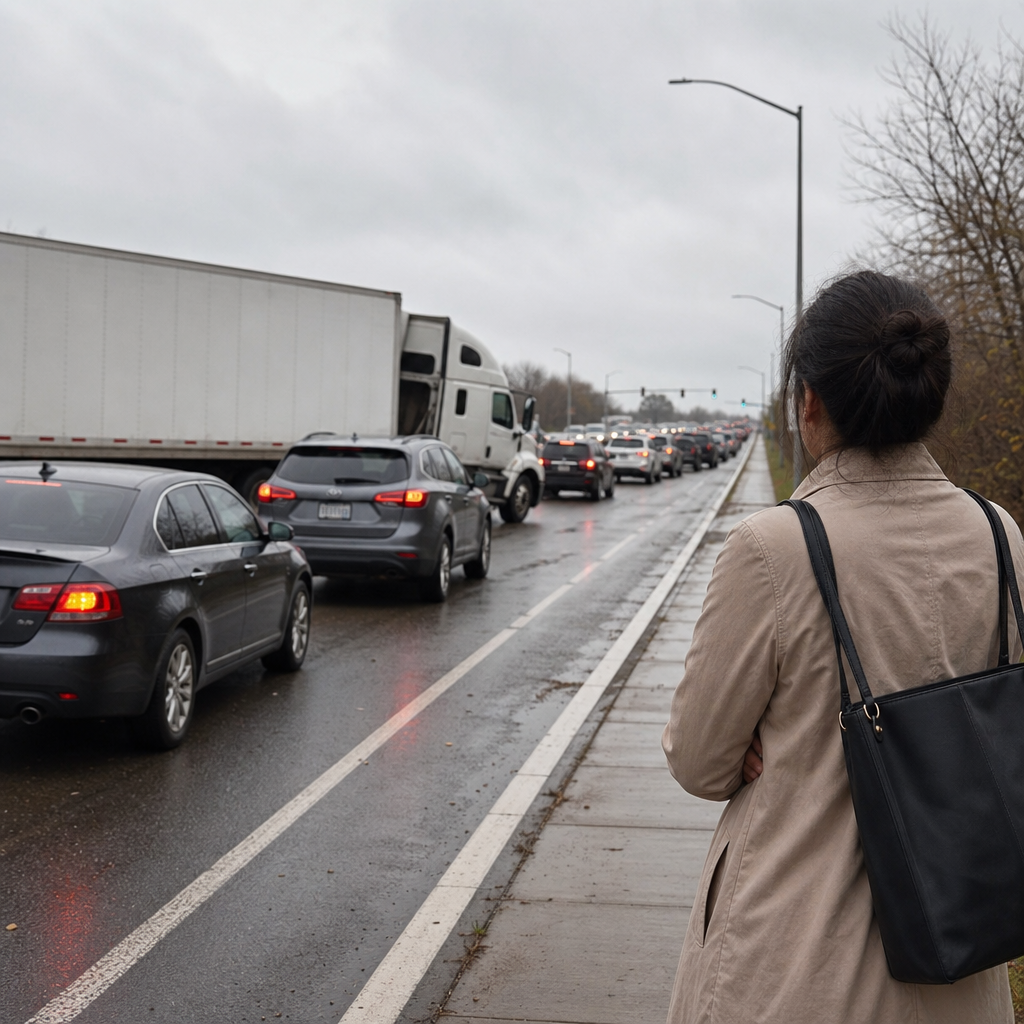
Every day, people find themselves in unexpected situations after a semi truck accident. Some walk away shaken but mostly unharmed, while others face far greater challenges. No two experiences ever look the same.
Moments After Impact
Sometimes, everything stops for a moment. The world grows oddly silent as adrenaline surges. Broken glass scatters across pavement while horns echo in the distance. A driver might realize their hands are trembling or that they cannot unlock a seatbelt right away. Others freeze, surveying what just happened with disbelief, unsure where pain ends and shock begins.
Passengers in nearby vehicles may witness the confusion unfold, exchanging worried glances and checking for movement inside the crumpled cars. For many, the scene burns into memory: twisted metal, blinking lights, voices raised in panic.
Physical Effects: Minor to Major
Minor collisions with trucks can leave people with sore muscles or bruises. Some only notice stiff necks and mild headaches later, after initial shock fades. Airbags leave red marks on cheeks. Walking around, a dull ache grows as soft tissue responds to the abrupt stop.
In contrast, a major impact sometimes brings far more serious outcomes. Emergency responders arrive to manage broken bones, deep lacerations, even head injuries. Some find themselves barely able to move, relying on strangers for help. In these situations, the body’s limits become painfully clear. Scars, casts, and medical devices often become new, temporary companions.
Emotional Reactions
Fear rises quickly in the aftermath, leaving hearts racing and breaths shallow. Sleep often won’t come easily for days. Flashbacks might appear in idle moments—sudden memories of screeching tires or collapsing glass. Some people avoid driving altogether, feeling unsafe even on side streets.
Conversations about the accident follow everyone home. Family and friends ask questions, offer comfort, or struggle to find the right words. Children might cling closer to parents, sensing unease. For some, these feelings linger, changing routines and daily habits for weeks or months.
Everyday Disruptions
Life rarely returns to normal right away. Schedules change on a dime—doctor appointments, therapy visits, and repair shops claim time once reserved for family or work. Simple errands become daunting after a major crash. Arranging rides or adapting to new mobility challenges interrupts daily flow.
Work routines change as well. Some return with ease, others need extra time to adjust. Even minor injuries might make sitting at a desk or lifting objects difficult. Friends, coworkers, and employers notice shifts in mood or energy levels, sometimes prompting quiet concern or support.
This page is for general informational purposes only. It does not provide legal advice or direction of any kind.