
Internal Injuries After Truck Accidents: Understanding the Risks
Overview of the Injury
Internal injuries are serious and often life-threatening outcomes of truck accidents. Unlike visible injuries, internal damage can be hidden, making it hard to diagnose without medical evaluation. These injuries occur when the impact of a collision causes damage to the body’s internal organs or tissues. Due to their nature, internal injuries require prompt attention to ensure the best possible care.
How This Injury Commonly Occurs in Truck Accidents
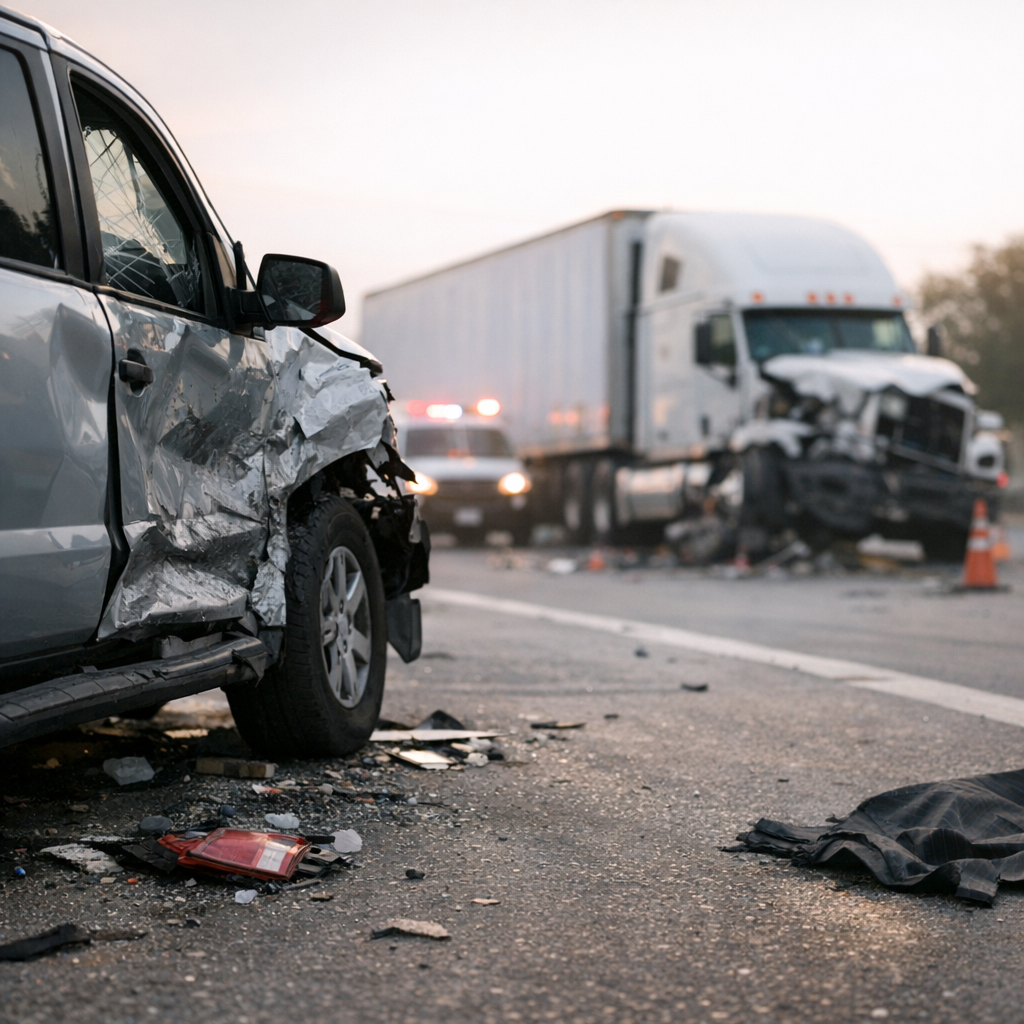
Truck accidents are particularly dangerous due to the size and weight of the vehicles involved. The force of a collision can lead to violent jolts and blunt force trauma, causing internal injuries. Common scenarios include:
– High-speed Impacts: The significant momentum of trucks can cause severe collisions, putting immense pressure on the body.
– Rollover Accidents: These can cause crushing injuries, leading to severe internal damage.
– Sudden Deceleration: Even with safety restraints, sudden stops can cause internal injuries by forcing organs against the skeletal structure.
Typical Symptoms and Physical Effects
Internal injuries may not be immediately evident but can manifest in various ways, including:
– Abdominal Pain: Can indicate damage to organs such as the liver, spleen, or intestines.
– Shortness of Breath: May suggest lung injuries or internal bleeding.
– Dizziness or Weakness: Potential signs of blood loss or shock.
– Swelling or Bruising: Look for unusual or uneven swelling, especially in the abdomen or chest.
These symptoms underscore the importance of thorough medical evaluations after a truck accident, as some internal injuries can worsen over time if left untreated.
How the Injury Affects Daily Activities
Living with internal injuries can significantly impact daily life. The severity of symptoms often dictates the extent of disruptions, which may include:
– Limited Mobility: Pain or physical restrictions can make movement difficult, affecting work, recreation, and personal care.
– Energy Levels: Chronic pain or anemia due to internal bleeding can cause fatigue, impacting the ability to perform everyday tasks.
– Emotional Strain: Coping with ongoing pain or disability can lead to emotional challenges, including anxiety or depression.
In addition to medical treatment, adaptations may be required at home or work to accommodate limitations while recovering.
Variations in Severity
Internal injuries from truck accidents vary widely in severity, depending on factors such as:
– Injury Location: Damage to vital organs like the heart or brain can be more critical than injuries to other areas.
– Extent of Damage: Small tears may heal more quickly than extensive lacerations or ruptures.
– Overall Health: Pre-existing health conditions can influence recovery time and complications.
Factors That Influence Recovery
Recovery from internal injuries is influenced by numerous factors:
– Timeliness of Treatment: Prompt medical care can mitigate long-term effects and complications.
– Type of Injury: Some injuries, such as punctures, may heal faster than complex fractures or tears.
– Individual Health Variables: Age, overall health, and coexisting medical conditions play a role in recovery times and outcomes.
Careful monitoring and adherence to medical advice are crucial in managing the healing process effectively.
Closing Thoughts
Understanding the risks of internal injuries after a truck accident is essential for ensuring timely and appropriate responses. While these injuries can be severe and disruptive, awareness of their symptoms and effects can help in recognizing the need for medical attention. Always prioritize health and safety following such incidents, focusing on recovery and support in daily life.