
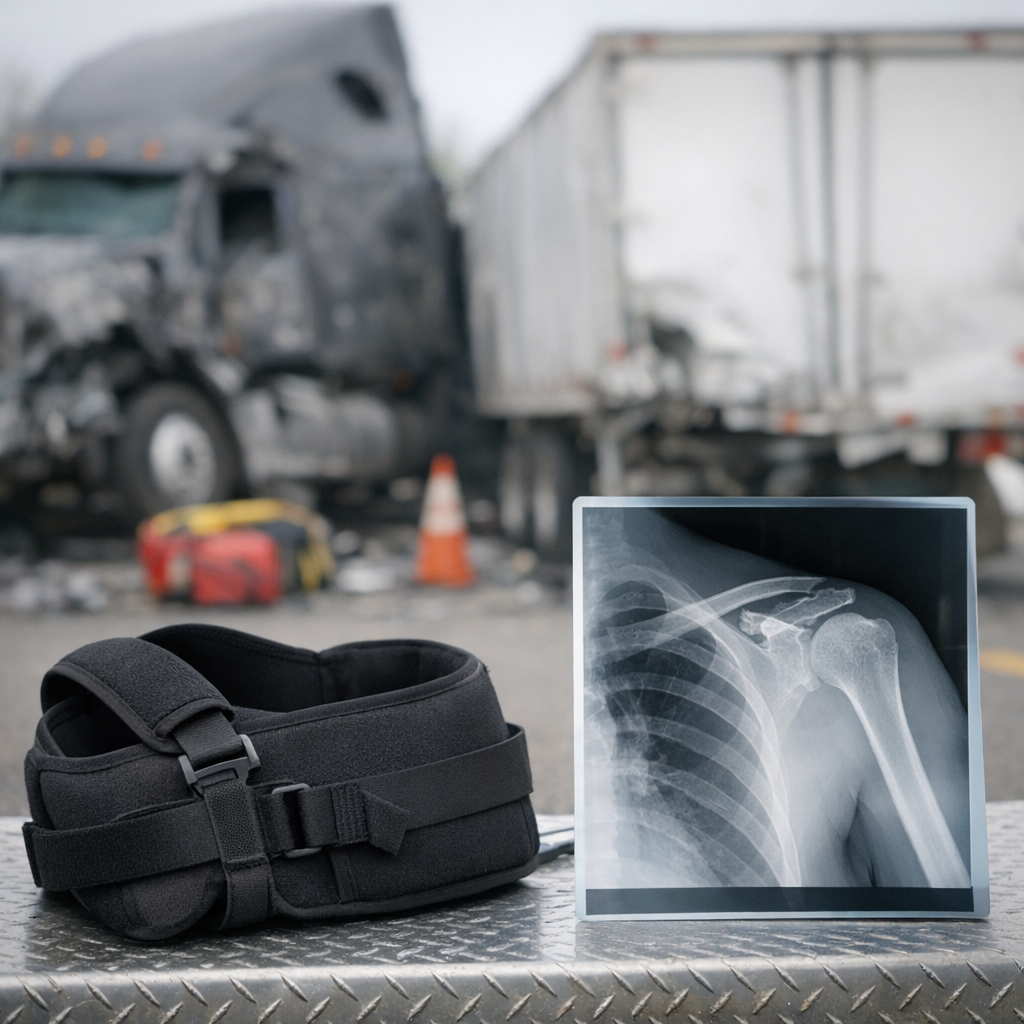
Severe Shoulder Injuries After Truck Accidents: A Deep Dive
Overview of the Injury
Severe shoulder injuries are a common repercussion of truck accidents, leaving a lasting impact on victims’ lives. These injuries can range from fractures to torn ligaments, often requiring extensive medical attention and rehabilitation. While the shoulder is a complex joint designed for flexibility and range of motion, its intricacy also makes it susceptible to severe trauma during collisions.
How This Injury Commonly Occurs in Truck Accidents
In the chaotic environment of a truck accident, the forces exerted on the human body are substantial. The impact can cause the shoulder to be violently thrust against hard surfaces, like the dashboard or door, leading to dislocations, fractures, or tears in the surrounding muscles and tendons.
For truck drivers, the risks may also stem from the size and weight of the vehicle; during an accident, the steering wheel can put significant pressure on the shoulders, compounding potential injuries.
Typical Symptoms and Physical Effects
Following a severe shoulder injury from a truck accident, individuals may experience symptoms such as intense pain, swelling, and bruising. Limited mobility is a common consequence, with simple movements becoming difficult or painful.
Victims might also notice numbness or tingling in the arm, indicating potential nerve damage. In more severe cases, the shoulder might appear deformed due to dislocation or fracture, necessitating immediate medical evaluation.
How the Injury Affects Daily Activities
A shoulder injury can significantly hinder daily life, affecting tasks that require arm movement. Simple activities, such as dressing, cooking, or typing, can become daunting challenges.
For those with jobs requiring physical labor, a severe shoulder injury can impede their ability to work, potentially leading to a prolonged absence from professional activities. Even leisure activities, like sports or hobbies, may need to be curtailed, affecting overall quality of life.
Variations in Severity
Shoulder injuries can range from mild sprains to severe dislocations and fractures. Some might experience a partial loss of function, while others could face complete immobilization of the affected arm.
The severity often depends on the impact force during the accident and the victim’s position at the time. Recovery and rehabilitation requirements can vary widely based on these factors, making each case unique.
Factors that Influence Recovery
Recovery from a severe shoulder injury involves numerous variables. Age and overall health significantly influence healing time; younger, healthier individuals may recover more swiftly.
The nature of the injury plays a crucial role; fractures may require surgery, while torn ligaments could necessitate extensive physical therapy. Adhering to medical and therapeutic recommendations is vital for optimal recovery, yet patience is essential, as healing can be a lengthy process.
Conclusion
Severe shoulder injuries from truck accidents present substantial challenges to victims, affecting both physical abilities and everyday life. Understanding the implications of these injuries helps in appreciating their complexity and the need for comprehensive care. While every recovery journey is distinct, awareness and informed perspectives can aid those navigating the aftermath of such traumatic experiences.