
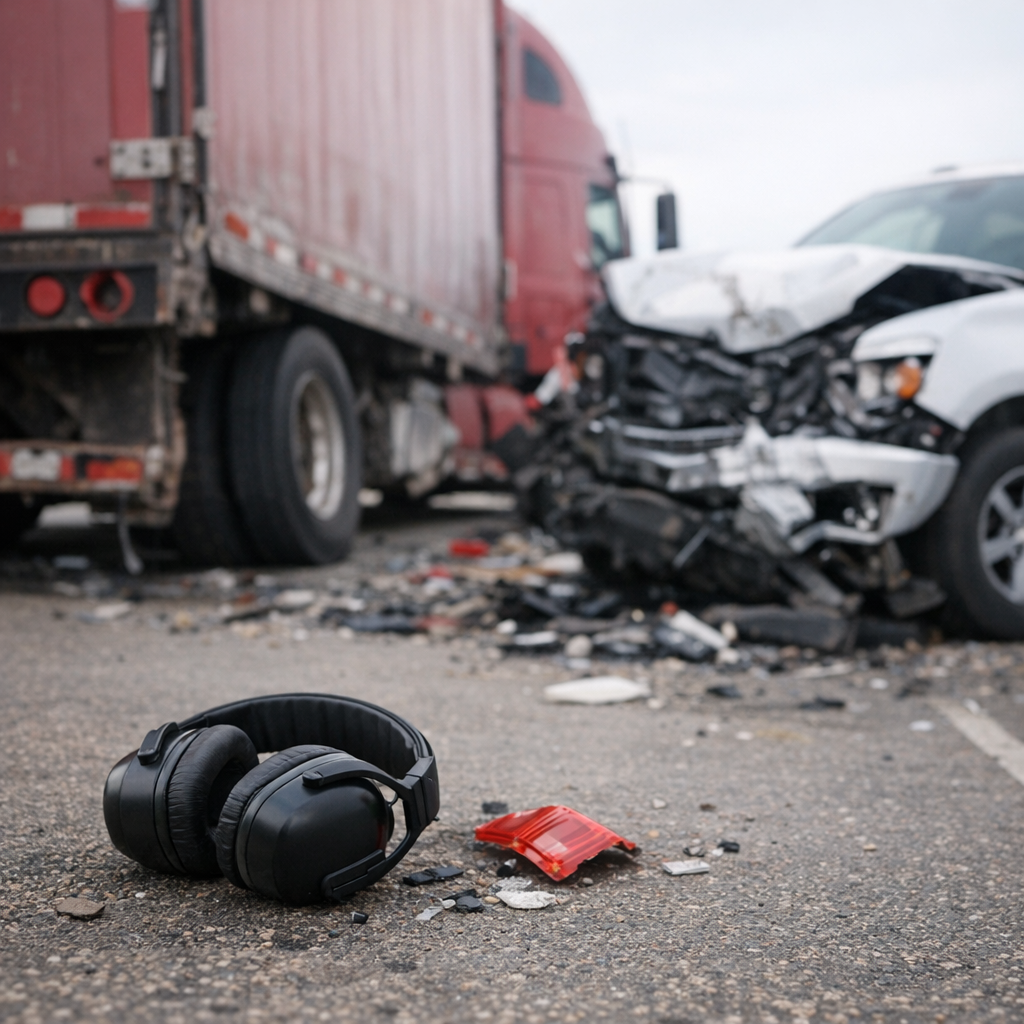
Hearing Damage from Truck Collisions
Overview of the Injury
Hearing damage is a serious and often overlooked consequence of truck collisions. Such injuries can profoundly impact an individual’s quality of life, leading to significant challenges in communication and daily functioning. Hearing damage can vary from temporary disruptions to complete loss, depending on several factors such as the severity of the collision and the individual’s pre-existing health conditions.
How This Injury Commonly Occurs in Truck Accidents
Truck collisions are notorious for their high impact due to the size and weight of the vehicles involved. During a collision, the intense noise levels generated, combined with the physical trauma, can lead to hearing damage. The loud noise from the crash itself, such as metal crashing, tires screeching, and the vehicle’s safety mechanisms deploying (like airbag inflation), can reach decibel levels capable of causing immediate harm to one’s auditory system.
Typical Symptoms and Physical Effects
Hearing damage from truck collisions may present through various symptoms. Individuals might experience:
– Ringing in the Ears (Tinnitus): This is a common initial symptom following exposure to loud noise.
– Difficulty Hearing: This could range from minor hearing loss to complete deafness, impacting one or both ears.
– Ear Pain or Pressure: Some may feel a fullness or pressure in the ears.
– Dizziness and Vertigo: The vestibular system, which is responsible for balance, can also be affected, leading to dizziness or a spinning sensation.
These symptoms can emerge immediately after the collision or may develop gradually over time, making it crucial to monitor any changes in hearing.
How the Injury Affects Daily Activities
Hearing damage can profoundly affect everyday life, posing challenges in various aspects:
– Communication Barriers: Difficulty hearing can impact personal and professional interactions, leading to potential misunderstandings and isolation.
– Safety Concerns: Impaired hearing can affect one’s ability to perceive environmental sounds, such as traffic or alarms, posing safety risks.
– Emotional and Mental Health: Living with hearing damage can lead to frustration, anxiety, or depression due to communication difficulties.
– Work and Social Engagement: Activities that require auditory participation may become challenging, impacting job performance and social interactions.
Variations in Severity
Hearing damage from truck collisions may vary significantly from one individual to another. Some may experience temporary hearing loss, which improves over time, while others might suffer permanent auditory impairment. The severity often depends on factors such as the crash’s intensity and the absence or presence of protective hearing measures.
Factors That Influence Recovery
Recovery from hearing damage is influenced by several factors, including:
– Time of Intervention: Prompt medical assessment and intervention can enhance recovery outcomes.
– Extent of Initial Damage: Mild injuries tend to recover more completely than severe ones.
– Individual Health Conditions: Pre-existing conditions, such as prior ear issues or overall health, can affect recovery.
– Access to Adequate Care: Availability of specialist support and auditory rehabilitation can facilitate recovery.
In essence, understanding these factors can help in managing expectations and planning appropriate care strategies.
Conclusion
Hearing damage resulting from truck collisions is a complex and challenging aspect of such accidents. With its potential to alter everyday life and personal well-being significantly, recognizing the symptoms and understanding the effects becomes crucial. Although the path to recovery can vary widely among individuals, awareness and timely intervention can be instrumental in managing this serious injury.