
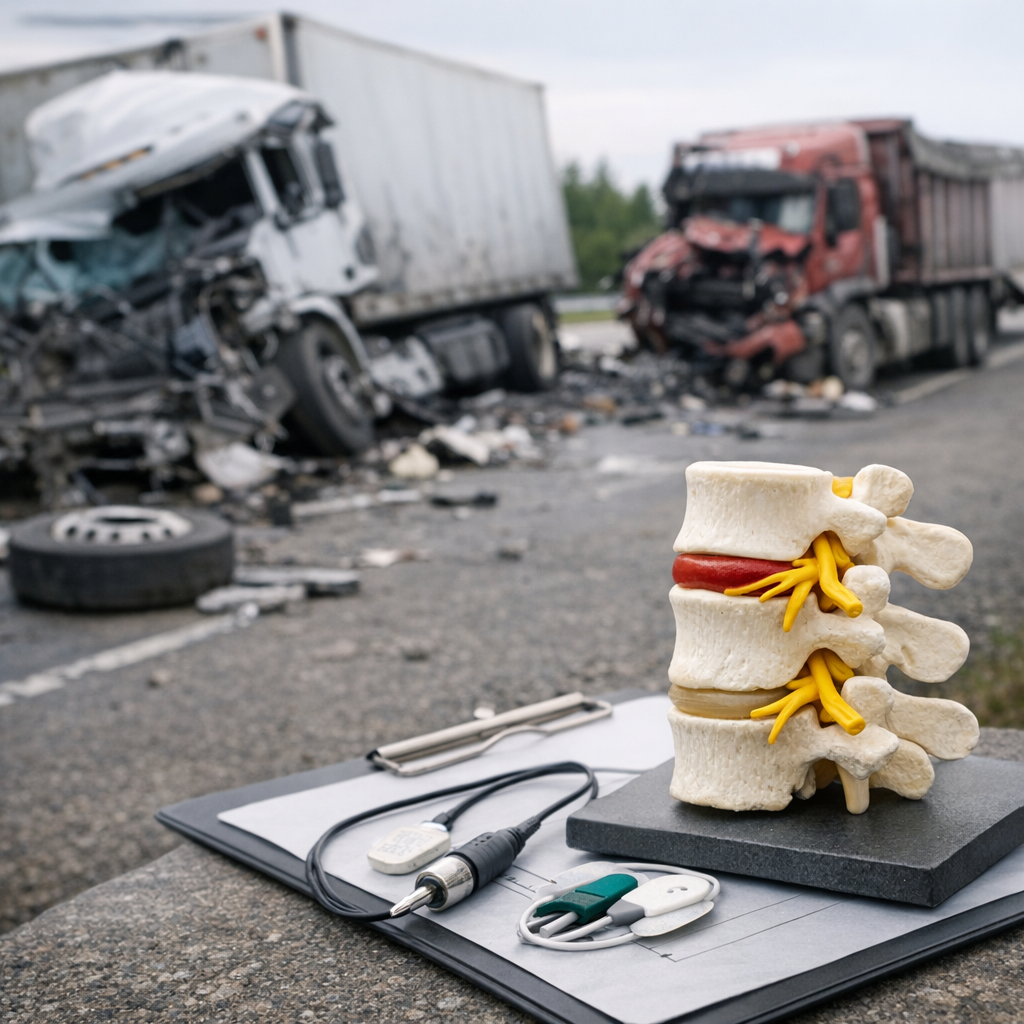
Severe Nerve Compression Injuries from Truck Crashes
Overview of the Injury
Nerve compression injuries are significant medical issues that can arise from various traumatic events, including truck crashes. These injuries occur when excessive pressure is applied to a nerve, disrupting its normal function. In the context of a truck accident, the force and impact involved can lead to severe nerve compression, affecting different parts of the body and resulting in challenging consequences.
Nerves relay messages between the brain and different body parts. When they are compressed, this communication can be hindered, leading to various symptoms. Understanding these injuries allows individuals to better recognize their potential impact and the importance of timely medical attention.
How This Injury Commonly Occurs in Truck Accidents
Truck accidents often involve considerable force due to the size and weight of the vehicles involved. This force can cause significant bodily harm, including nerve compression injuries. Here are some common scenarios where these injuries might occur:
1. Direct Impact: During a collision, direct impact to the body can compress nerves. This can occur when a truck collides with another vehicle or an obstacle, causing sudden, intense pressure on the affected area.
2. Sudden Movements: The abrupt motions experienced during a crash, such as whiplash, can strain the neck and spine. This can lead to nerve compression as the structures surrounding the nerves are displaced or compressed.
3. Pinched Nerves: Structures like bones, muscles, or tendons may shift or swell due to a crash, pressing against nerves. This pinching can result in significant pain and impaired function.
Typical Symptoms and Physical Effects
The symptoms of nerve compression injuries can vary based on the location and severity of the compression. Common symptoms include:
– Pain: A sharp or burning sensation is often experienced around the compressed nerve.
– Numbness: A lack of sensation, primarily in the area the nerve supplies.
– Weakness: Affected muscles may weaken, leading to difficulty performing certain physical tasks.
– Tingling Sensation: Often described as “pins and needles,” this occurs in the regions served by the compressed nerve.
How the Injury Affects Daily Activities
Nerve compression injuries can significantly impact everyday life. Simple tasks such as gripping objects, walking, or even sitting for extended periods can become challenging if nerves in areas like the arms, legs, or back are affected. The resulting pain and loss of function may limit an individual’s ability to work, engage in hobbies, or perform routine personal care tasks, affecting both physical and mental well-being.
Variations in Severity
The severity of nerve compression injuries can range widely:
– Mild: Symptoms might be temporary, resolving with rest and simple interventions.
– Moderate: Persistent symptoms may require more comprehensive treatment and rehabilitation.
– Severe: Long-lasting or permanent damage that can lead to irreversible changes in function and sensation.
Factors That Influence Recovery
Recovery from nerve compression injuries can be complex, with several influencing factors:
– Extent of Injury: More severe compressions or multiple affected nerves can complicate recovery.
– Timing of Treatment: Early intervention can prevent further damage and improve the prognosis.
– Overall Health: The individual’s general health, age, and presence of other medical conditions can affect healing ability.
Conclusion
Severe nerve compression injuries from truck crashes present significant challenges both immediately following the accident and during recovery. Recognizing the symptoms and understanding their potential impact on daily life is crucial for affected individuals. Though these injuries can vary in severity, knowledge and appropriate management play essential roles in navigating their complexities.