
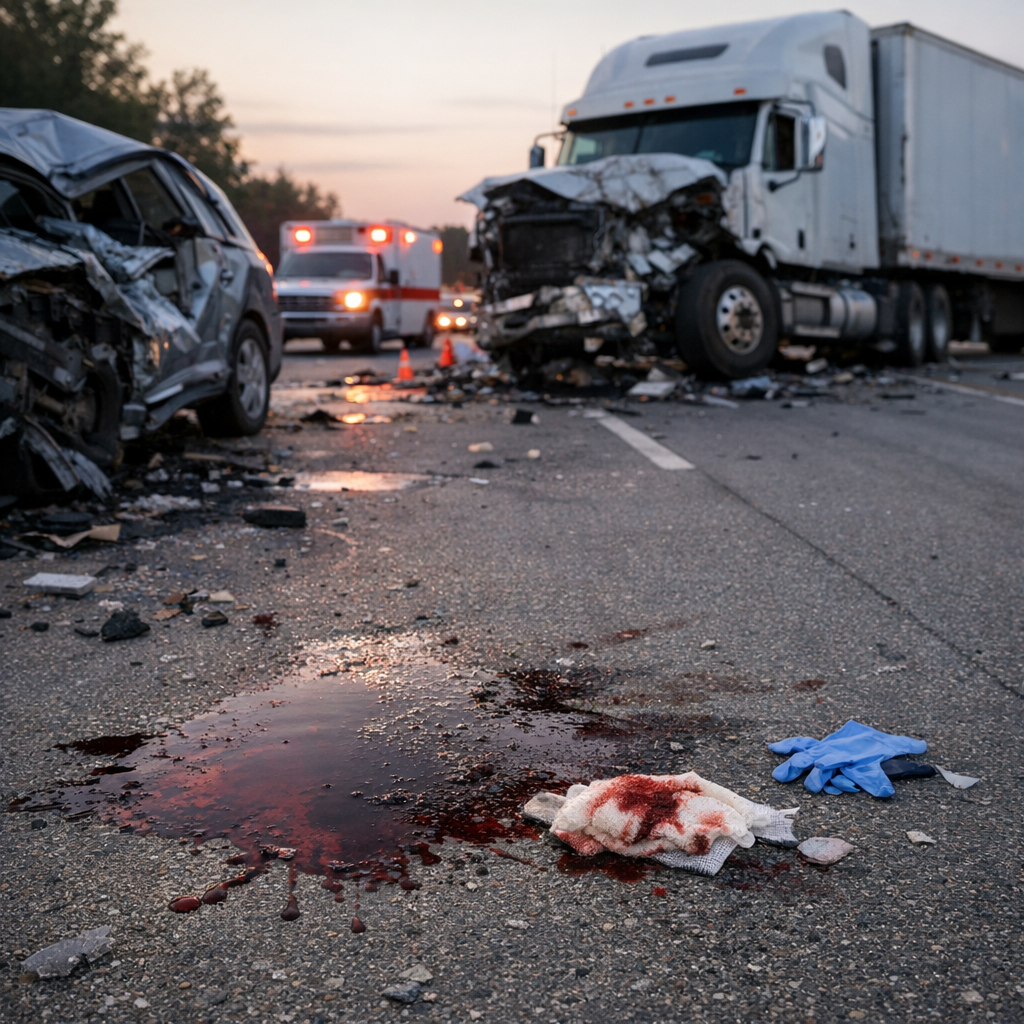
Severe Internal Bleeding from Truck Collisions
Overview of the Injury
Severe internal bleeding is a critical and often life-threatening injury that can occur during truck collisions. Unlike external wounds, internal bleeding is not immediately visible, making it a dangerous and elusive type of injury. This condition involves the loss of blood from blood vessels inside the body, which can lead to complications if not promptly addressed.
Internal bleeding can arise from damaged organs, ruptured blood vessels, or bones fractured due to the immense force typically associated with truck accidents. Given the substantial size and weight of trucks, these collisions can exert significant pressure on the human body, increasing the likelihood of such internal injuries.
How This Injury Commonly Occurs in Truck Accidents
Truck collisions can result in severe internal bleeding due to the sheer force involved. The following are common scenarios:
1. Direct Impact: The force of a collision may cause the body to be thrust against hard surfaces within the vehicle, leading to internal injuries. Seatbelts, though crucial, can also contribute to internal bleeding by pressing sharply against the body during high-impact crashes.
2. Secondary Collisions: Following an initial impact with a truck, vehicles may collide with other objects, causing further trauma.
3. Crushing Injuries: In some accidents, the structural integrity of a vehicle is compromised, potentially crushing passengers and leading to significant internal damage.
Typical Symptoms and Physical Effects
Identifying severe internal bleeding can be challenging, yet certain symptoms and physical effects may provide clues:
– Abdominal Pain: Persistent or worsening pain in the abdomen could indicate bleeding from organs such as the spleen or liver.
– Swelling or Bruise-like Discoloration: Swelling or bruising on the skin can signal internal blood pooling.
– Dizziness and Weakness: A drop in blood pressure from blood loss can lead to dizziness and a general feeling of weakness.
– Cold and Clammy Skin: As the body loses blood, it may redirect blood flow to vital organs, causing the skin to feel cold and clammy.
How the Injury Affects Daily Activities
The impact of severe internal bleeding extends beyond immediate health concerns. If not addressed, the injury can significantly hamper daily life. Individuals may experience:
– Reduced Mobility: Pain and weakness can make movement difficult, affecting the ability to perform routine tasks.
– Prolonged Recovery Periods: The healing process may require extended rest and rehabilitation, interrupting daily schedules and responsibilities.
– Emotional and Psychological Strain: The stress and anxiety associated with severe injuries can affect mental well-being.
Variations in Severity
Internal bleeding varies in severity based on several factors:
– Location of Injury: Bleeding in certain areas, such as the brain or major organs, poses higher risks.
– Volume of Blood Lost: The extent of bleeding affects the urgency and type of medical intervention needed.
Factors That Influence Recovery
Recovery from severe internal bleeding can be influenced by:
– Promptness of Medical Attention: Quick evaluation and treatment can significantly impact outcomes.
– Overall Health and Age: Younger, healthier individuals may recover more swiftly than older adults with pre-existing health conditions.
– Comprehensive Care: Physical therapy and other forms of rehabilitation play a role in long-term recovery.
Conclusion
Severe internal bleeding from truck collisions is a grave concern that requires swift attention and careful management. Understanding how such injuries occur, recognizing symptoms, and acknowledging their impact on daily life are vital steps toward ensuring the best possible outcomes. By staying informed and aware, individuals involved in truck collisions can better navigate the complexities of such serious injuries.