
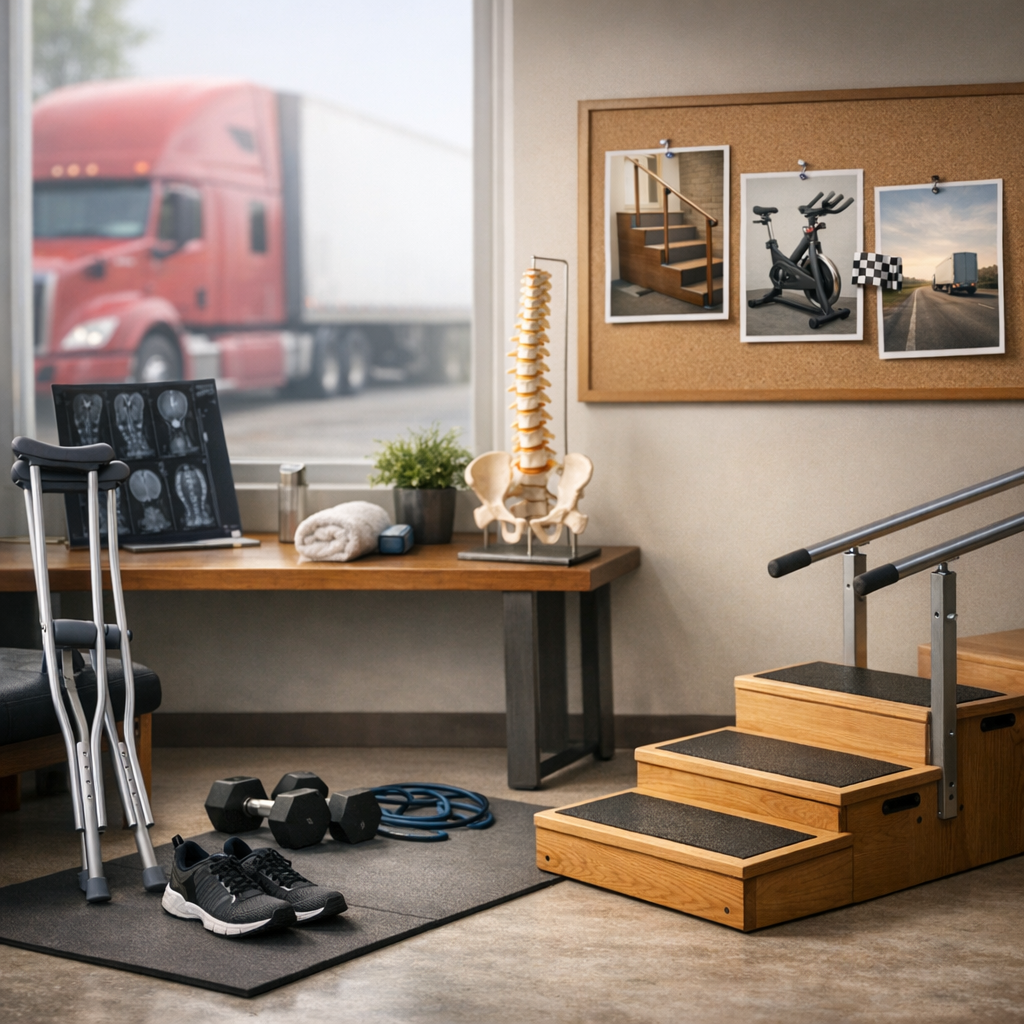
Recovery Milestones After Serious Truck Injuries
What Long-Term Recovery Means After a Truck Accident
Recovering from a serious truck accident involves more than immediate medical attention; it encompasses a long-term journey toward regaining health and stability. This process is unique for each individual, influenced by the severity of injuries and personal circumstances. Long-term recovery focuses on gradual improvements, setting realistic milestones that help individuals track their progress over months or even years.
Common Challenges During Extended Recovery
Extended recovery from truck accidents can pose numerous challenges. These challenges often require continuous adaptation and resilience.
Physical Recovery Over Time
Physical recovery involves addressing injuries sustained during the accident. This can include fractures, spinal injuries, and head trauma. Over time, healing may involve:
– Rehabilitation Therapies: Physical therapy, occupational therapy, or newer, tailored rehabilitation programs may be required.
– Monitoring Progress: Tracking improvements through regular medical evaluations.
– Adaptive Equipment: Utilizing aids like walkers, braces, or wheelchairs if necessary.
Healing can be slow, often accompanied by setbacks that demand re-evaluation of treatment plans or the introduction of new strategies. Patience and persistence play significant roles in physical recovery.
Emotional and Mental Recovery Considerations
The emotional and mental impact of a truck accident can be profound. Recovery in this area might entail:
– Psychological Support: Counseling or therapy to address trauma, anxiety, or depression.
– Emotional Milestones: Establishing achievable goals, such as returning to daily routines or resuming social activities.
– Mindfulness Practices: Engaging in mindfulness or relaxation techniques to manage stress and enhance emotional well-being.
Recovery in this domain may not be linear. Individuals might experience fluctuating emotions and the need for ongoing support.
Setbacks During Recovery
Setbacks can occur during the recovery process, whether physical or emotional. Understanding that these are natural parts of recovery can help maintain perspective:
– Physical Setbacks: Re-injury or complications from surgeries may temporarily delay progress.
– Mental Challenges: Recurrence of trauma-related symptoms can hinder emotional recovery.
Addressing setbacks with flexibility and a supportive network can contribute positively to longer-term outcomes.
Managing Expectations Over Months or Years
Setting and managing expectations throughout the recovery journey is crucial:
– Realistic Milestones: Creating goals that reflect both optimism and practicality.
– Continuous Adjustment: Being willing to adapt plans as new challenges or improvements arise.
– Progress Acknowledgment: Celebrating small victories to maintain motivation and morale.
Understanding the unpredictable nature of recovery allows for more adaptable and sustainable strategies.
Conclusion
Recovery milestones following serious truck injuries are pivotal for navigating the journey back to health and stability. Both physical and emotional recuperation require time, patience, and strategic planning. By recognizing common challenges, setbacks, and the necessity of managing expectations, individuals can build a more resilient path toward recovery. Sustained support and realistic goals are essential pillars in achieving long-term recovery success, contributing to an individual’s overall well-being and return to a fulfilling life.