
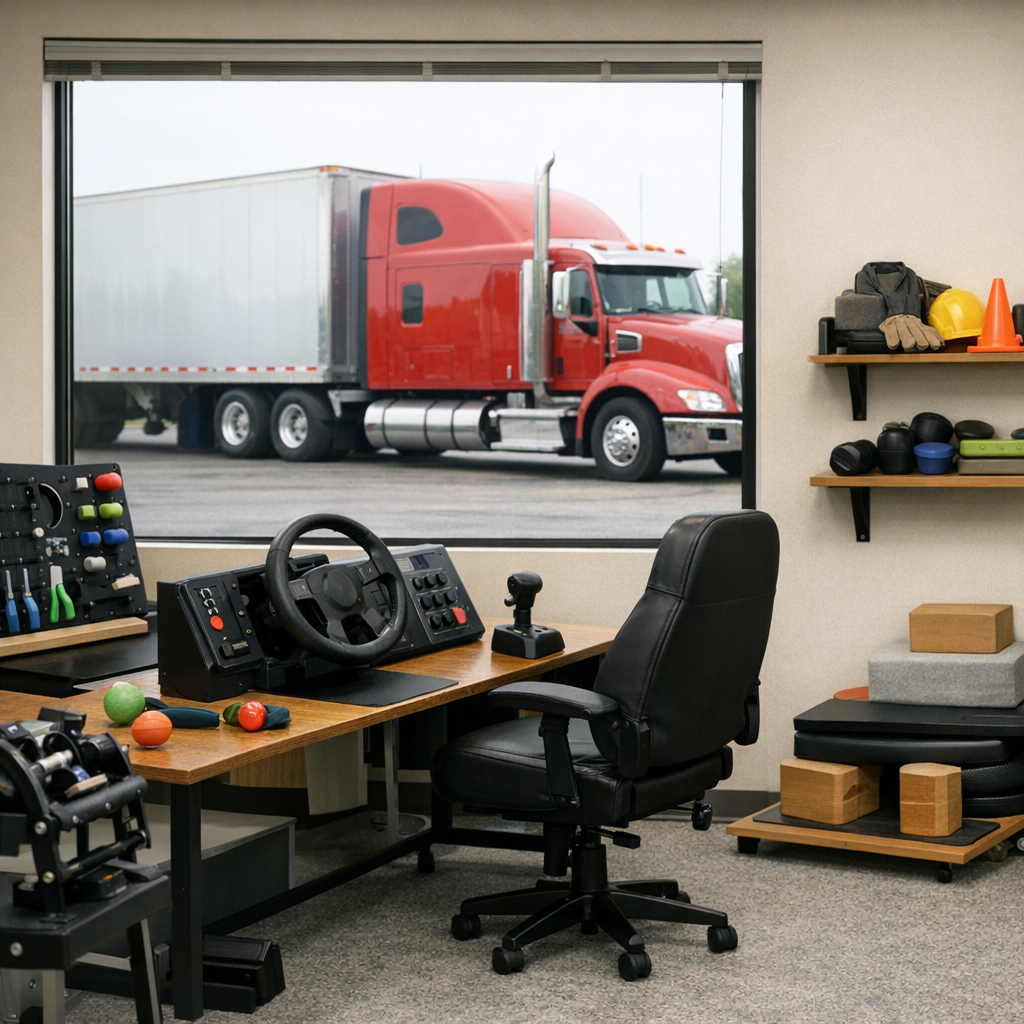
Occupational Therapy Following Truck Injuries
Overview of the Treatment or Rehabilitation Approach
Occupational therapy plays a crucial role in the rehabilitation of individuals recovering from truck-related injuries. Its primary aim is to help patients regain independence and improve their ability to perform day-to-day activities. This form of therapy focuses on enhancing motor skills, cognitive function, and adaptive techniques tailored to the individual’s specific needs and lifestyle.
Occupational therapists assess the impact of the injury on the patient’s daily life and devise personalized treatment plans. These plans focus on physical, psychological, and social recovery, ensuring that the patient can reintegrate into their community and potentially return to work.
When This Treatment is Commonly Used After Truck Injuries
Occupational therapy is frequently utilized after various truck injuries, particularly those involving severe trauma or extended recovery periods. Common scenarios include:
– Musculoskeletal Injuries: These injuries may affect mobility and function, such as fractures or dislocations.
– Neurological Impacts: Head injuries or spinal cord trauma resulting in cognitive and physical impairments.
– Burns and Wounds: Requiring care and rehabilitation for movement and sensory recovery.
– Psychological Challenges: Addressing mental health issues that may arise post-injury, such as anxiety or depression.
The therapy is essential from the acute phase of injury management to the long-term rehabilitation stage, ensuring a comprehensive recovery path for truck injury victims.
What the Treatment Process Involves
The occupational therapy process begins with a thorough evaluation to determine the patient’s functional status and specific needs. This evaluation includes:
– Assessment: Initial assessments focus on identifying limitations in movement, daily activities, and occupational roles.
– Goal Setting: Collaborative goal-setting with the patient to prioritize which skills and activities are most important for them to regain.
– Intervention: Interventions may include therapeutic exercises to improve strength and coordination, training in adaptive strategies and equipment, and cognitive rehabilitation.
– Home Modifications: Recommendations for home modifications might be provided to facilitate easier movement and independence within the living environment.
– Progress Monitoring: Regular assessments to monitor recovery progress and adapt the therapy plan as needed.
Recovery Expectations and Timelines
Recovery from truck injuries varies significantly depending on the type and severity of the injury. Generally, occupational therapy can be expected to follow a structured timeline:
– Short-Term (Weeks 1-4): Early intervention focuses on pain management and basic functional mobility. Therapeutic activities may revolve around reducing swelling, improving range of motion, and initiating simple daily tasks.
– Mid-Term (Weeks 5-12): As the patient progresses, therapy intensifies with more challenging exercises aimed at restoring strength, flexibility, and skills necessary for personal care and household tasks.
– Long-Term (Beyond 12 Weeks): Continued therapy may involve community reintegration, workplace readiness, and the use of advanced adaptive techniques. Long-term support can focus on preventing relapse and maintaining achieved independence.
Variations in Treatment Plans
Factors That Influence Recovery Progress
Recovery in occupational therapy is not a one-size-fits-all process. Various factors can influence individual progress:
– Severity of Injury: More severe injuries may necessitate prolonged therapy and a slower progression.
– Patient Motivation and Participation: Active involvement in the therapy process often yields better outcomes.
– Support Systems: Family and community support play a significant role in motivation and successful home reintegration.
– Co-existing Medical Conditions: Conditions such as diabetes, obesity, or pre-existing disabilities may require specialized therapy adjustments.
– Access to Resources: Availability of adaptive equipment and modifications can enhance recovery efficiency and effectiveness.
Customizing Therapy
Occupational therapists tailor therapies to accommodate these variations, ensuring that each patient receives focused and responsive care. This adaptability is crucial in helping patients achieve the most favorable outcomes considering their unique circumstances.
Informational Closing Section
Occupational therapy is a vital component of recovering from truck injuries, providing comprehensive support to regain independence and quality of life. Through detailed assessment and personalized intervention plans, occupational therapy addresses both the physical and psychological aspects of recovery. Understanding the process and expectations associated with this therapy can provide clarity and help individuals and their families navigate the complex journey of rehabilitation post-injury. While recovery timelines and treatments vary, the adaptability and patient-centered approach of occupational therapy ensure that each individual’s unique needs and goals are met throughout their rehabilitation journey.