
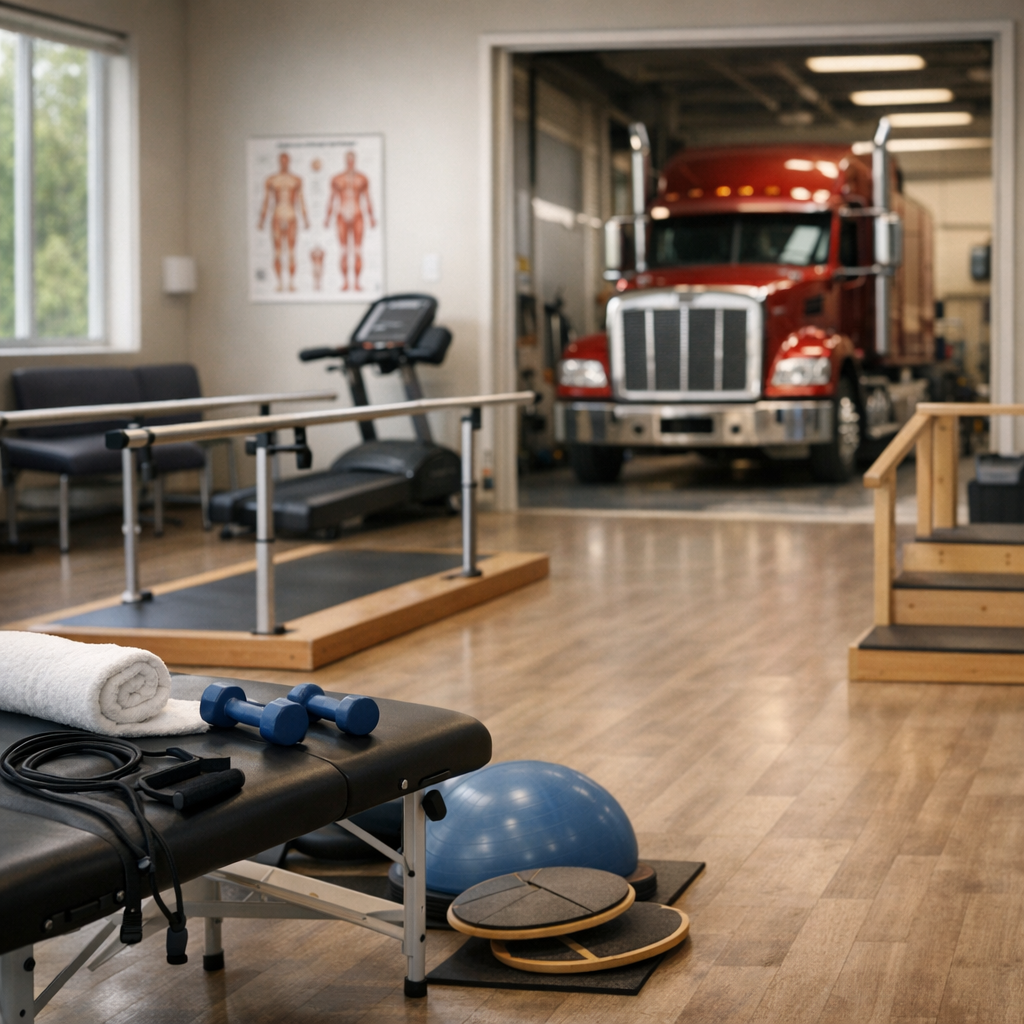
Rehabilitation Programs for Truck Injury Recovery
Rehabilitation is a critical process for individuals recovering from truck-related injuries. These injuries, often severe due to the sheer size and force involved in truck accidents, require specialized rehabilitation programs to ensure optimal recovery. This article delves into the various aspects of rehabilitation for truck injury recovery, guiding readers through the processes and expectations.
Overview of the Treatment or Rehabilitation Approach
Rehabilitation programs designed for truck injury recovery aim to address the physical, psychological, and occupational aspects affected by the accident. These programs are comprehensive and tailor-made to suit the specific needs of individuals, ensuring a holistic approach to healing. Various therapies, including physical therapy, occupational therapy, and counseling, are integrated to aid recovery.
When This Treatment is Commonly Used After Truck Injuries
Rehabilitation becomes crucial immediately following the initial medical treatment post-accident. Once life-threatening conditions are stabilized and necessary surgeries are performed, rehabilitation programs are initiated. They are commonly used in cases involving fractures, spinal injuries, head trauma, and severe soft tissue damage. The objective is to restore functionality, reduce pain, and improve the quality of life.
What the Treatment Process Involves
The rehabilitation process begins with a comprehensive assessment conducted by a team of healthcare professionals. This assessment includes understanding the extent of injuries, evaluating physical capabilities, and identifying psychological needs. Based on this evaluation, a personalized treatment plan is developed.
Physical Therapy
Physical therapy is a cornerstone of rehabilitation programs for truck injuries. It focuses on improving mobility, strength, and endurance. Techniques may include exercises, manual therapy, and modalities such as heat, ice, or electrical stimulation. Therapists work to improve range of motion and functional capabilities, helping individuals regain independence in daily activities.
Occupational Therapy
Occupational therapy is designed to help individuals relearn or adapt the skills necessary for daily living and working. This includes practical solutions for dressing, bathing, cooking, and returning to work. Therapists also provide adaptive equipment and strategies to overcome physical limitations.
Psychological Support
Truck accidents can have significant psychological impacts. Incorporating counseling or therapy is pivotal to address issues such as post-traumatic stress disorder (PTSD), anxiety, and depression. Psychological support helps individuals cope with emotional challenges, improving mental well-being and overall rehabilitation success.
Recovery Expectations and Timelines
Recovery timelines vary greatly based on the severity and type of injury sustained, the individual’s overall health, and their commitment to the rehabilitation process.
Short-Term Recovery
In the initial weeks, the focus is on stabilizing physical conditions and managing pain levels. Patients might experience gradual improvements in mobility and daily function.
Long-Term Recovery
Long-term recovery can span several months to years, especially in cases involving severe injuries. Regular follow-ups and adjustments to the rehabilitation plan are necessary to accommodate progress and address any ongoing challenges.
Variations in Treatment Plans
Factors That Influence Recovery Progress
Recovery progress is influenced by several factors, including:
– Age and Pre-existing Conditions: Older individuals or those with chronic conditions may experience slower recovery.
– Severity of Injury: More severe injuries require longer and more intensive rehabilitation efforts.
– Individual Motivation and Support: Personal determination and a strong support system can significantly influence motivation and adherence to the rehabilitation plan.
Tailoring to Individual Needs
Rehabilitation programs are flexible and are adjusted to meet individual progress and obstacles. Regular reassessments ensure the treatment plan remains aligned with the patient’s evolving needs and goals.
Closing Section
Rehabilitation programs for truck injury recovery are integral to helping patients overcome the multifaceted challenges posed by such accidents. By embracing a comprehensive approach that integrates physical, occupational, and psychological therapies, these programs aim to restore functionality and improve quality of life. Understanding the intricate processes, expectations, and factors that influence recovery can aid individuals and their families in navigating the path to recuperation with clarity and confidence.