
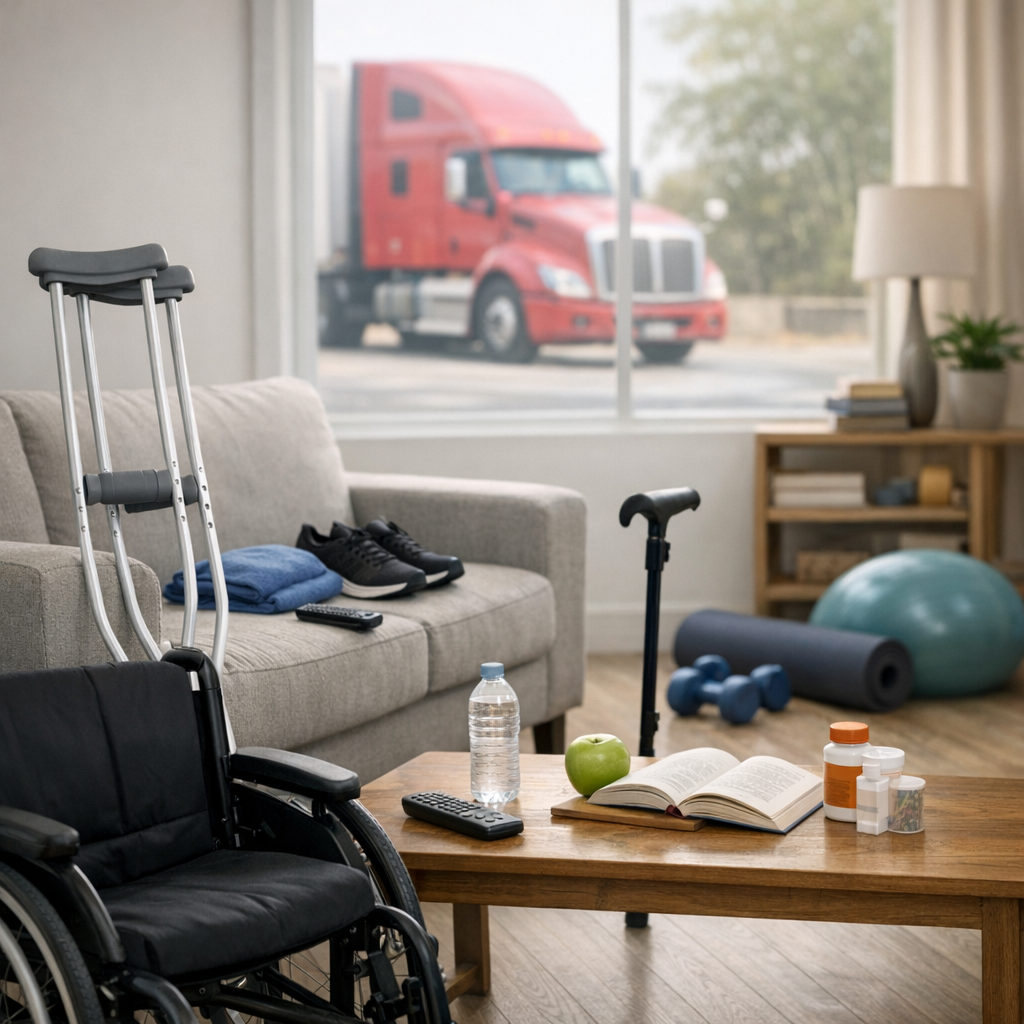
Lifestyle Modifications After Truck Accident Injuries
Experiencing a truck accident can be a life-altering event, leading to significant lifestyle modifications. Individuals often find themselves navigating a new reality, implementing changes to accommodate physical, emotional, and practical needs. This article explores the various aspects of life that may be affected and the common adjustments people face.
How Life Changes After Serious Truck Injuries
After sustaining serious injuries in a truck accident, individuals frequently undergo substantial changes in their daily lives. These injuries can impact physical well-being, mental health, and overall independence. Adjusting to these challenges often requires resilience, support, and a willingness to adapt.
Common Adjustments People Face
In the aftermath of a truck accident, individuals must confront numerous adjustments that influence various aspects of their lives. These modifications often encompass changes to daily routines and shifts in personal relationships.
Changes to Daily Routines
A significant alteration for those recovering from truck accident injuries involves their daily routines. Activities that were once performed with ease may now require additional effort or assistance. This can include adapting to mobility limitations, managing pain, and scheduling frequent medical appointments. Daily tasks, such as bathing, dressing, and cooking, might require additional support or specialized equipment to ensure safety and comfort.
For those returning to work, modifications in job responsibilities or work environments may be necessary. This might involve flexible hours, remote working arrangements, or transitioning to less physically demanding roles. These adjustments can help maintain productivity and morale while accommodating new physical constraints.
Impact on Relationships and Independence
Truck accident injuries often have a profound impact on personal relationships and independence. The need for caregiver assistance can alter the dynamics within families and friendships. Partners, family members, or friends might assume caregiving roles, leading to shifts in traditional responsibilities and relationship dynamics.
Maintaining independence is a significant concern for many individuals. Relying on others for transportation or daily tasks can be challenging, prompting feelings of frustration or a sense of loss of autonomy. Building a support network and incorporating adaptive technologies or services can help preserve a sense of independence.
Long-Term Lifestyle Adaptations
Over time, individuals may need to make long-term lifestyle adaptations to manage the ongoing effects of their injuries. This can include continued physical therapy, the use of assistive devices, or dietary changes to support overall health and healing. Creating a sustainable and balanced lifestyle becomes essential in maintaining quality of life and preventing further complications.
Emotional and Practical Adjustments
The emotional toll of truck accident injuries should not be understated. Individuals might experience a range of emotions, including grief, anxiety, or depression. Engaging in counseling or support groups can be beneficial for emotional healing and providing a space to share experiences with others facing similar challenges.
Practically speaking, organizing finances, managing medical expenses, and navigating insurance claims are common hurdles. Developing a structured plan and seeking professional guidance can aid in addressing these practical concerns, allowing individuals to focus more on recovery and well-being.
Conclusion
Navigating life after truck accident injuries requires a blend of emotional strength, practical adjustments, and lifestyle modifications to accommodate new realities. While the road to recovery can be demanding, many find that accepting and adapting to these changes leads to new insights and resilience. Understanding and addressing the impact of these injuries ensures individuals can continue to lead fulfilling lives, supported by a network of resources and a mindset geared toward adaptation and growth.