
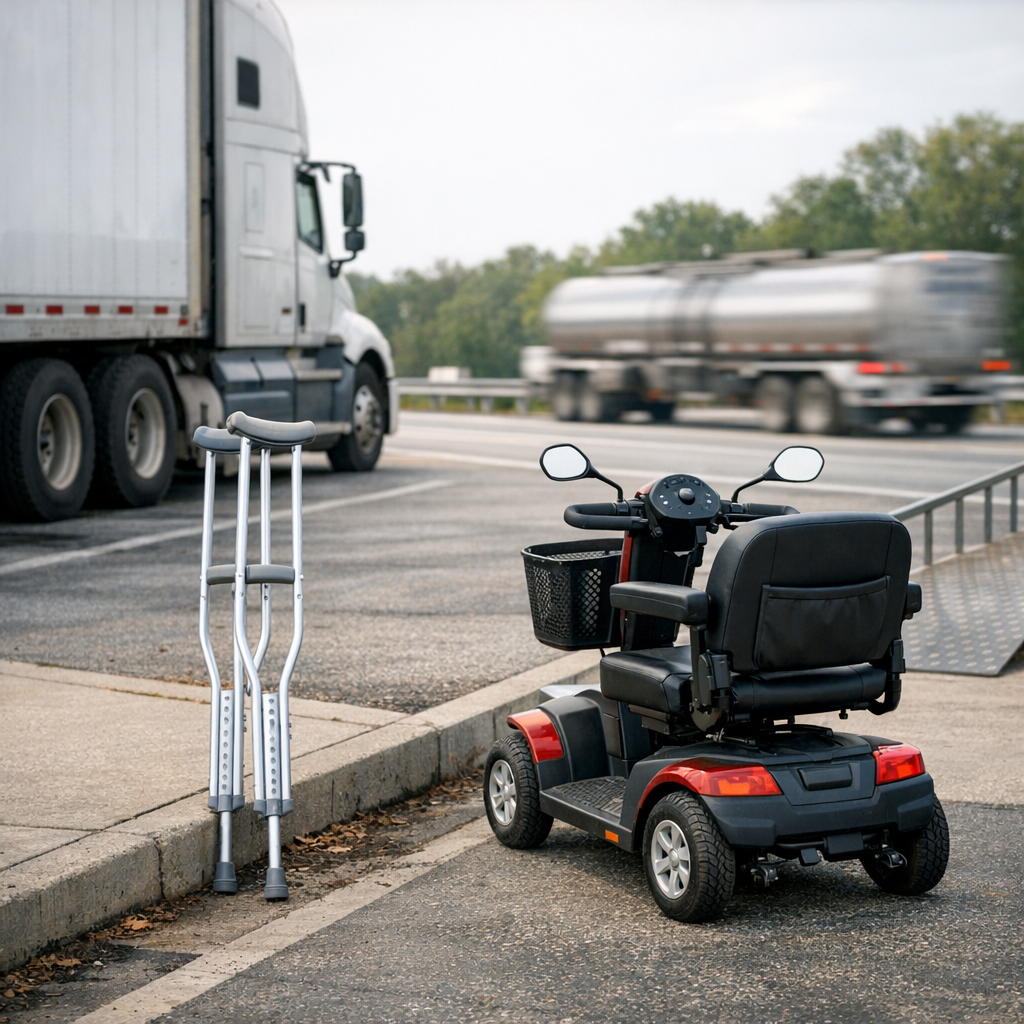
Transportation Challenges After Truck Injuries
Experiencing a truck injury can lead to considerable life changes, particularly when it comes to transportation challenges. These challenges can affect daily routines, relationships, and overall independence. Understanding these changes can help those affected navigate their new circumstances with greater ease.
How Life Changes After Serious Truck Injuries
Serious truck injuries can have profound effects on a person’s life, often altering many aspects of daily living. Injuries sustained in such accidents may result in temporary or permanent disabilities, necessitating modifications in how individuals commute or travel.
Common Adjustments People Face
Adapting to life post-injury involves both physical and emotional adjustments. The impact on transportation is significant, requiring new strategies to overcome the hurdles presented by limited mobility or other health concerns arising from the injury.
Changes to Daily Routines
One of the most immediate challenges following a truck injury is the disruption of daily routines. Transportation limitations can lead to:
– Reduced Independence: Those accustomed to driving themselves may suddenly find themselves reliant on public transportation, rides from family, or specialized transport services.
– Increased Time and Effort: Using public or alternative transportation often takes more time and planning, adding stress and complicating schedules.
– Accessibility Concerns: Not all transportation options are accessible to those with physical limitations, making it necessary to find suitable alternatives that accommodate mobility aids or other needs.
Impact on Relationships and Independence
The ripple effects of transportation challenges can extend deeply into personal relationships and individual independence:
– Strain on Relationships: Relying on loved ones for transportation can place a burden on relationships, as it may require significant adjustments in others’ schedules and commitments.
– Loss of Privacy: Dependence on others for transportation can lead to a perceived loss of privacy and autonomy, impacting self-esteem and confidence.
– Social Isolation: Limited transportation options might reduce opportunities for social interaction, contributing to feelings of isolation and loneliness.
Long-term Lifestyle Adaptations
For some, the transportation challenges after truck injuries extend into long-term lifestyle changes:
– Adapting to New Norms: Accepting and normalizing new ways of commuting can be essential. Learning to effectively navigate public transportation, rideshare options, or paratransit services becomes crucial.
– Vehicle Modifications: If returning to driving is possible, vehicles may need modifications such as hand controls or wheelchair lifts, which require time, effort, and financial resources.
Emotional and Practical Adjustments
The emotional journey can be as challenging as the practical adjustments required:
– Emotional Resilience: Building resilience is key to managing the frustrations and limitations that come with new transportation norms.
– Seeking Support: Support groups or counseling might provide necessary emotional backing, helping individuals process changes and share coping strategies.
Conclusion
Transportation challenges after truck injuries can lead to significant life changes, impacting daily routines, relationships, and independence. By understanding and addressing these challenges, individuals can better adapt to their new realities. It’s important to remember that while the journey may be difficult, finding effective solutions and support systems can foster resilience and encourage a fulfilling life despite the challenges.