
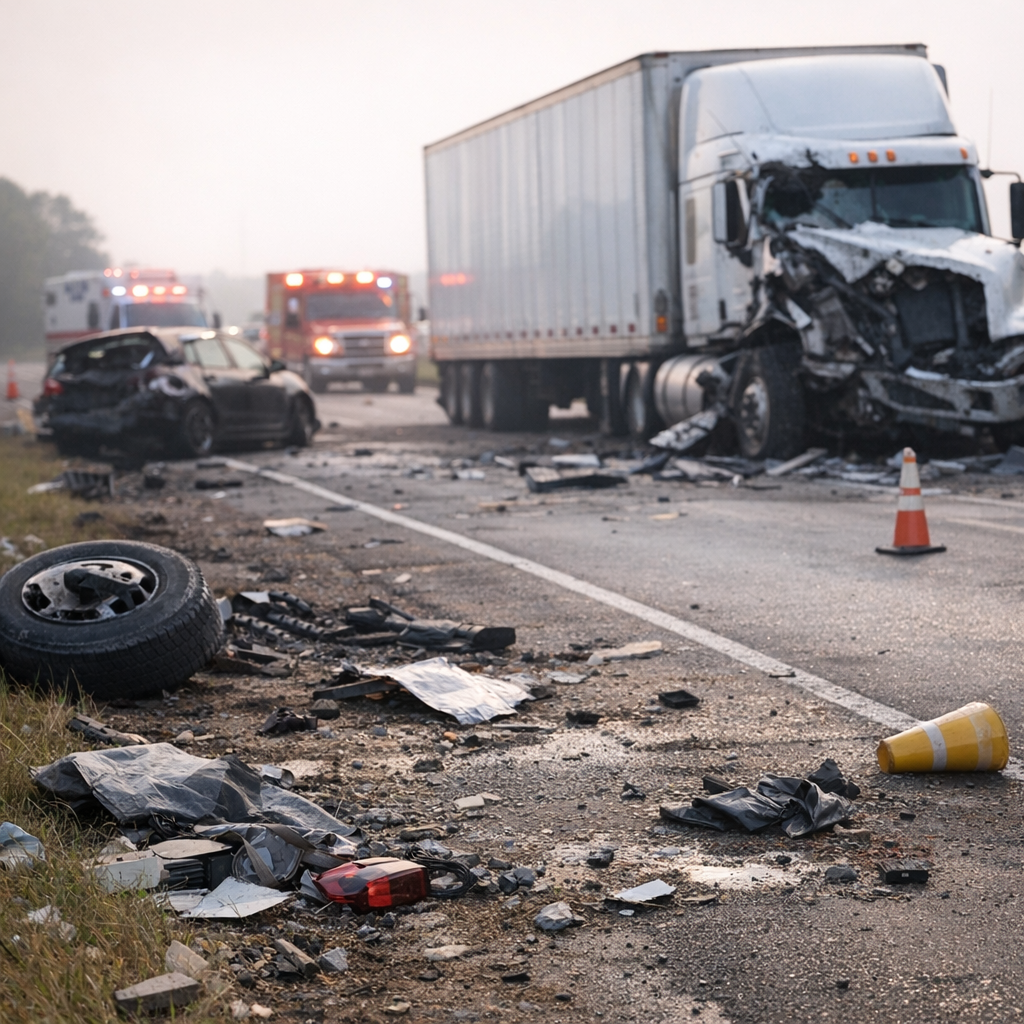
What Happens After a Serious Truck Injury
Why People Commonly Ask This Question
Truck accidents can be overwhelming and life-changing, leaving those involved unsure about the path ahead. Such incidents often result in physical, emotional, and financial challenges. People are curious about what the aftermath entails because they need a clear idea of what to expect and how to prepare. Understanding the process can help ease anxiety and assist them in managing the situation effectively.
Clear Explanation of the Issue
The aftermath of a truck injury involves several stages and considerations. Knowing these can provide a sense of direction during a tumultuous time.
Immediate Medical Care
The priority after any severe truck injury is medical treatment. This involves emergency services assessing injuries and providing necessary care at the scene or transporting individuals to a hospital. Quick action is crucial in minimizing long-term impacts.
Information Gathering
While medical attention takes precedence, gathering information from the scene is essential. Details such as the truck’s license plate, driver information, and witness contacts play a crucial role in understanding the events. This data helps in documenting the incident thoroughly, which could be significant later.
Dealing with Authorities
Accidents involving trucks often require interaction with law enforcement. Officers will investigate and compile a report detailing the accident’s particulars. This report becomes a pivotal document in understanding what happened.
Insurance Communication
Contacting insurance providers is another critical step. Notifying them about the accident initiates the claims process. Both parties might begin investigations to determine responsibility and assess damage. Each party’s cooperation with their respective insurance companies is critical for a smooth process.
Recovery and Rehabilitation
The physical recovery from a serious injury can take time. Individuals may need surgeries, physical therapy, or long-term rehabilitation. Emotional recovery is equally important, as truck injuries can be traumatic. Support from family, friends, and professionals may be necessary for healing.
Context People May Not Realize
Truck accidents differ significantly from car accidents due to the sheer size and weight of trucks, leading to more severe damages and injuries. The complex nature of these incidents often involves multiple parties—drivers, trucking companies, and manufacturers—which complicates the aftermath.
Many don’t realize that handling a truck injury aftermath is not just about physical recovery. Emotional and mental aspects require attention, and understanding the implications on future life and livelihood is vital. Recovery can be a lengthy and multifaceted process.
What People Often Think About Next
After addressing immediate needs, individuals often contemplate the long-term implications of the injury.
Financial Concerns
The financial strain of medical bills, potential job loss, and necessary adaptations can be daunting. Navigating insurance claims effectively becomes crucial in managing these pressures. People often seek clarity on how their financial situation will be impacted and what resources are available.
Return to Normalcy
The desire to return to daily routines and regain normalcy is common. Individuals focus on how soon they can return to work, partake in regular activities, and how their quality of life may change permanently or temporarily.
Common Misunderstandings
Insurance Limitations
A typical misunderstanding is the belief that insurance will seamlessly cover all expenses. In reality, limitations and caps exist, potentially leaving gaps in coverage. Being aware of policy details and seeking additional solutions can help address these issues.
Speed of Recovery
Assuming a swift physical and emotional recovery may lead to unrealistic expectations and added stress. Understanding that recovery may be gradual and vary individually is crucial for patience and proper planning.
Legal Complexity
Many assume the legal aspects are straightforward. However, the involvement of multiple parties can introduce complications, emphasizing the need for clarity and understanding rather than rushing decisions.
Related Considerations
Individuals must consider the potential for long-term changes in abilities and lifestyle. Adapting homes for mobility, altering work responsibilities, or even pursuing entirely different career paths might become necessary. Exploring vocational rehabilitation and continuous emotional support can play a crucial role in this transition.
Understanding the full scope of what happens after a serious truck injury helps prepare those involved for the journey ahead. While the path can be challenging, being informed provides a foundation for navigating the aftermath with confidence and care.