
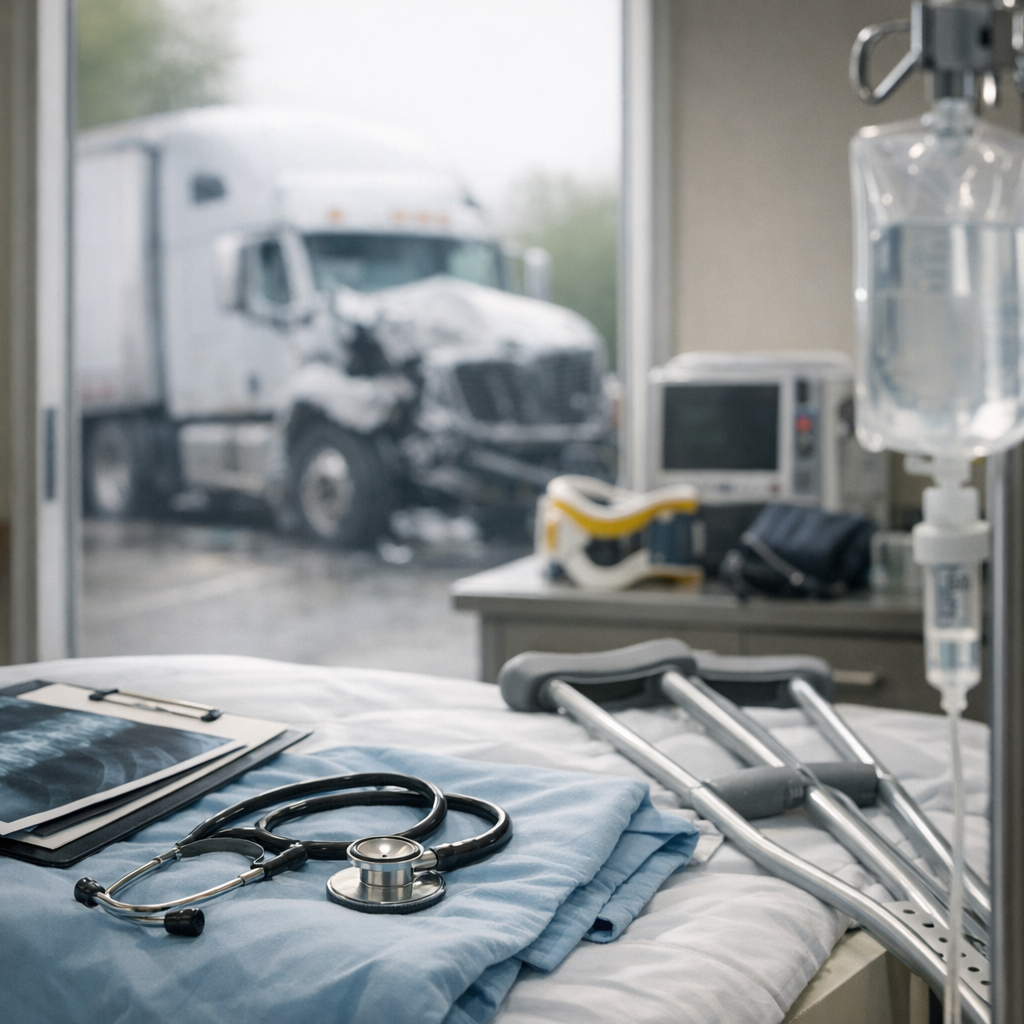
What Medical Treatment Is Needed After Truck Accidents
Why People Commonly Ask This Question
Truck accidents can be particularly severe due to the size and weight of the vehicles involved. As a result, individuals involved in these accidents often have serious concerns about the necessary medical treatment. Understanding what steps to take medically can help alleviate anxiety and promote recovery. This question is common as people seek clarity on the immediate and long-term healthcare needs following such traumatic events.
Clear Explanation of the Issue
Recognizing the required medical treatment after a truck accident is crucial to addressing injuries effectively and ensuring the best possible recovery. Immediate medical attention is often necessary, but the process doesn’t end there. Understanding the different stages and types of treatment can help manage expectations and improve outcomes.
Context People May Not Realize
Truck accidents can lead to a wide range of injuries, from minor bruises to severe trauma. The nature of these injuries may vary significantly depending on factors such as speed, impact angle, and vehicle type. Some injuries may not even be immediately apparent, emerging days or weeks later. This unpredictability makes medical evaluations crucial right after the incident and as symptoms develop.
1. Immediate Medical Evaluation: Emergency medical services (EMS) typically respond to truck accidents, providing initial assessments and urgent care. Medical professionals focus on stabilizing life-threatening injuries and determining the need for hospital transport.
2. In-Depth Hospital Treatment: Once at the hospital, doctors may conduct a variety of diagnostic tests, such as X-rays, CT scans, and MRIs, to identify internal injuries or fractures. Treatment might involve surgery, medication, or other interventions to address injuries effectively.
3. Long-Term Medical Care: Recovery doesn’t stop in the emergency room. Physical therapy, rehabilitation, and follow-up appointments often play essential roles in a patient’s long-term recovery. Chronic pain management or psychological counseling might also be necessary due to the mental trauma associated with severe accidents.
What People Often Think About Next
After dealing with immediate medical concerns, individuals usually start considering their recovery journey and its impact on daily life. The process of healing can be complex, requiring not only adherence to medical advice but also adjustments to personal routines.
Related Considerations
– Mental Health: Apart from physical injuries, the psychological impact of a truck accident can be profound. Therapy or counseling may be beneficial in dealing with anxiety, PTSD, or depression following the event.
– Work and Daily Activities: Extended recovery times might affect one’s ability to work or perform daily tasks. Understanding how to navigate these challenges is crucial for long-term well-being.
Common Misunderstandings
Not everyone realizes that certain injuries might not manifest immediately. It’s a common misconception that if no pain or discomfort is felt right after the accident, medical attention isn’t necessary. However, conditions like whiplash or internal bleeding might only appear later, underscoring the importance of timely medical evaluations.
Furthermore, some believe that recovery is solely about physical healing. Neglecting the mental health aspect can significantly hinder overall recovery, highlighting the need for a comprehensive approach to post-accident care.
In summary, understanding the spectrum of medical treatment needed after truck accidents is essential for effective recovery. Immediate attention, comprehensive medical evaluations, and long-term care plans address both physical and mental health, ensuring a more holistic healing process. Recognizing the potential delay in symptom appearance and the multifaceted nature of recovery can make a significant difference in outcomes.