
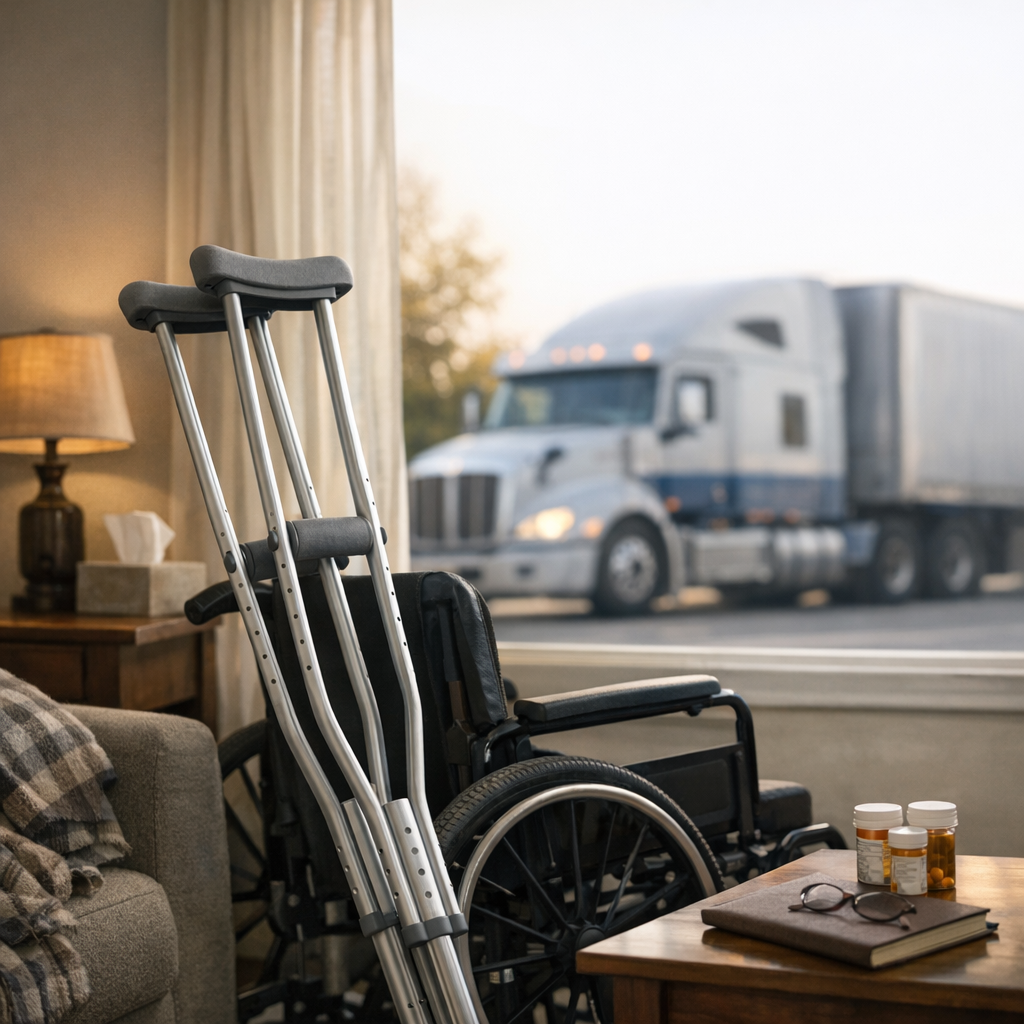
What Life Changes Follow Serious Truck Injuries
In the aftermath of a serious truck injury, life can take unexpected turns. These injuries often require individuals and their loved ones to navigate a complex web of physical, emotional, and lifestyle changes.
Why People Commonly Ask This Question
When faced with the realities of recovery, many wonder what changes they are likely to experience. Understanding these changes can help individuals prepare mentally and emotionally.
– Seeking Insight: People want to know how their lives will be impacted so they can plan for the future.
– Managing Expectations: It’s natural to seek clarity on what to expect during recovery and beyond.
Clear Explanation of the Issue
Serious truck injuries can profoundly affect an individual’s life. These impacts often encompass physical, emotional, and financial domains, each with its own set of challenges.
– Physical Changes: Injuries may include broken bones, spinal damage, or traumatic brain injuries, which might lead to long-term or permanent disabilities.
– Emotional Repercussions: It’s common to experience emotional distress, anxiety, or depression as a result of the significant lifestyle shifts.
– Financial Adjustments: Medical bills, rehabilitation costs, and potential loss of income contribute to the stress of recovery, sometimes requiring changes in living situations or career paths.
Context People May Not Realize
Often, the broader implications of serious truck injuries are not immediately apparent.
– Social Dynamics Shift: Relationships with family and friends may change as loved ones become caregivers, which can alter dynamics and introduce new stressors.
– Daily Routine Alterations: Many are surprised by how much their daily routines are affected, requiring adaptations in how they perform even simple tasks.
– Long-Term Treatment: Rehabilitation and therapy can be ongoing and intensive, necessitating commitment and patience.
What People Often Think About Next
After the immediate aftermath, people often consider how to move forward in their new reality.
– Career Considerations: Returning to work might require job modifications or retraining for a new role entirely due to physical limitations.
– Living Arrangements: Changes may be needed to accommodate new physical needs, such as home modifications or relocating.
– Emotional Support: Seeking support through counseling or support groups becomes important for emotional healing and adjustment.
Related Considerations
Understanding these life changes can also guide people to seek resources and support more effectively.
– Community Resources: Local organizations may offer assistance, from financial help to emotional support.
– Assistive Technologies: Devices and equipment can help individuals regain independence in their daily activities.
Common Misunderstandings
Misconceptions about recovery and adaptation can lead to unrealistic expectations.
– Recovery Timeline: People often underestimate how long the recovery process may take, expecting quicker returns to normalcy.
– Independence: There’s a belief that one should feel independent immediately after physical recovery, whereas emotional and social independence may take longer.
In summary, serious truck injuries bring about multifaceted life changes. By understanding these potential transformations, individuals and their circles can better navigate the path to recovery and adaptation. Recognizing the full scope of these changes empowers those affected to approach their new circumstances with awareness and resilience.