
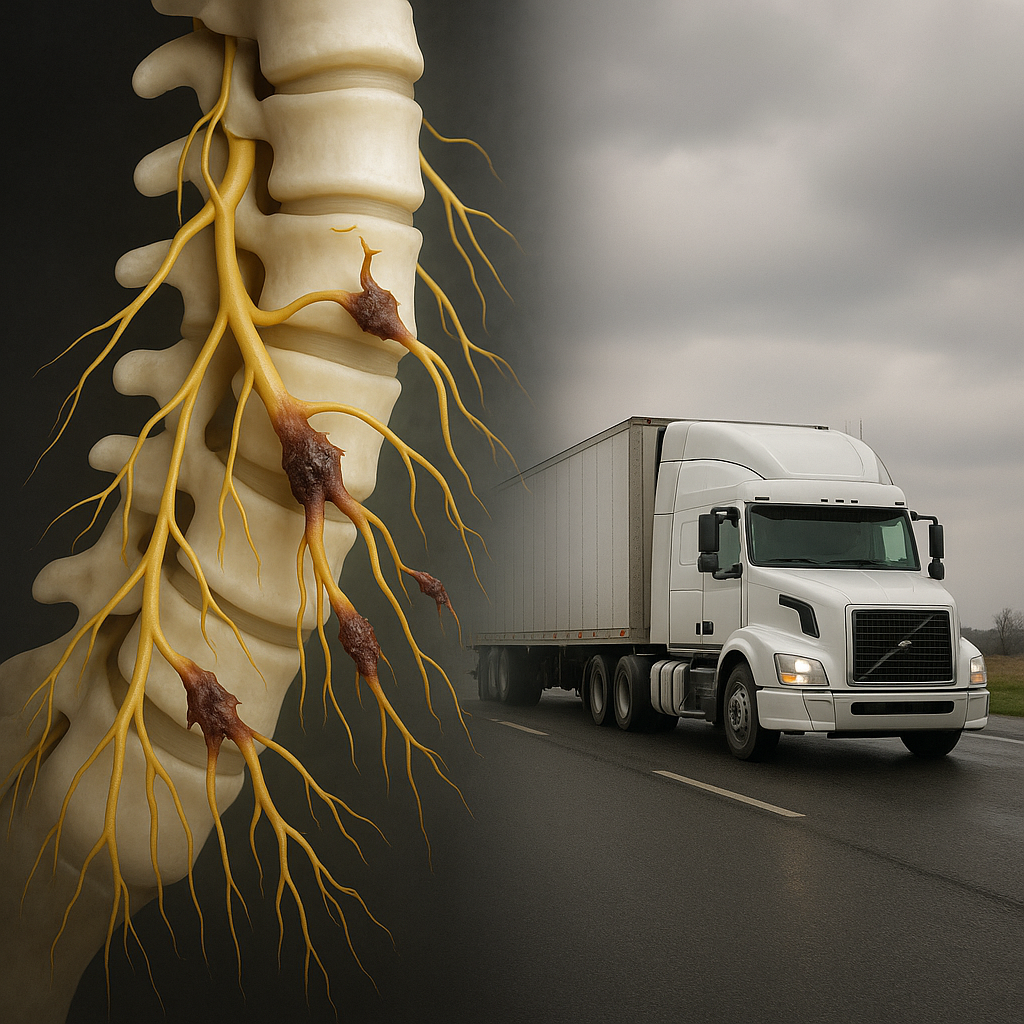
Severe Nerve Degeneration After Truck Injuries
Overview of the Injury
Severe nerve degeneration after truck injuries is a significant medical challenge, often resulting in long-term physical consequences. This condition refers to the deterioration of nerve fibers, which can lead to a decrease in sensory and motor functions. When a person experiences nerve degeneration, it can manifest as weakness, numbness, or even paralysis in affected areas. Understanding the implications of this type of injury is essential for grasping its impact on those involved in truck accidents.
How This Injury Commonly Occurs in Truck Accidents
Truck accidents can be particularly devastating due to the sheer size and weight of the vehicles involved. In such incidents, the forces exerted can lead to traumatic injuries, including severe nerve damage. These injuries may occur when the body is subjected to intense pressure or is jolted violently, causing nerves to stretch, compress, or tear. High-impact collisions often involve the neck, spine, and limbs, where major nerves are located, leading to potential degeneration.
Typical Symptoms and Physical Effects
Severe nerve degeneration can present a wide range of symptoms, depending on the location and extent of the damage. Common symptoms include:
– Numbness and Tingling: Affected individuals often report a loss of sensation or persistent tingling in the injured area, which can gradually progress over time.
– Muscle Weakness: As nerve function deteriorates, the muscles they control may become weaker, potentially leading to difficulties in movement.
– Pain: Chronic pain is a typical effect, which can vary in intensity and may feel sharp, burning, or throbbing.
– Loss of Coordination: Damaged nerves can impair balance and coordination, making routine tasks challenging.
– Changes in Reflexes: Reflexes may become sluggish or absent, reflecting nerve disruption.
How the Injury Affects Daily Activities
The repercussions of severe nerve degeneration stretch into everyday life, affecting the ability to perform regular activities.
1. Mobility Challenges: With compromised motor functions, individuals might struggle with tasks like walking or climbing stairs.
2. Self-Care Difficulties: Actions that are typically straightforward, such as dressing or bathing, may require assistance due to reduced dexterity or strength.
3. Work Implications: Returning to work, particularly in physically demanding roles, can be problematic, necessitating adaptations or a change in responsibilities.
4. Emotional and Social Impact: Physical limitations can lead to isolation and emotional distress, impacting mental well-being and social interactions.
Variations in Severity
Nerve degeneration can vary significantly in its severity, influenced by factors such as the force of the impact, the duration before receiving treatment, and the specific nerves involved. Some individuals may experience mild symptoms that are manageable, while others face profound disruptions to their daily lives.
Factors That Influence Recovery
Several elements can impact the recovery process and prognosis for those with severe nerve degeneration:
– Extent of Injury: The more extensive the nerve damage, the longer and more complex the recovery may be.
– Individual Health: A person’s overall health, including age and pre-existing conditions, can affect healing.
– Timely Intervention: Prompt medical evaluation and treatment can play a crucial role in reducing further degeneration and optimizing outcomes.
– Rehabilitation Efforts: Physical therapy and rehabilitation can aid in regaining some lost functions, but progress varies widely among individuals.
Conclusion
Severe nerve degeneration following truck injuries is a multifaceted issue, affecting both physical abilities and quality of life. The complexity of these injuries highlights the importance of understanding their potential impacts. By exploring the nature of nerve degeneration and its implications, we gain insight into the challenges faced by those who endure such injuries. This awareness serves as a foundation for fostering empathy and support for affected individuals, acknowledging the profound adjustments they must often make.