
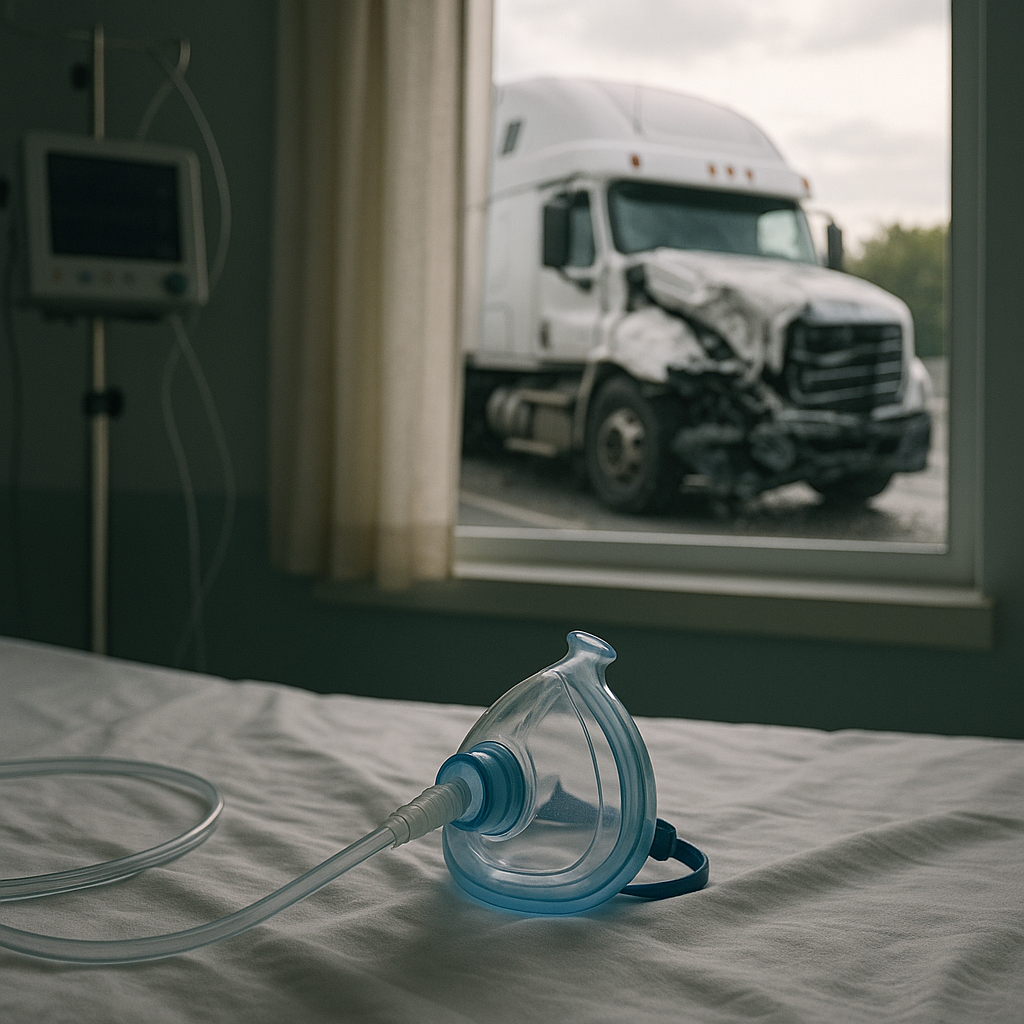
Severe Respiratory Injuries After Truck Accidents
Truck accidents can lead to a variety of serious injuries, with respiratory injuries being among the most severe. Understanding these types of injuries and their implications is crucial for those who may encounter such situations.
Overview of the Injury
Respiratory injuries occur when there is damage to the lungs or respiratory system, often resulting from abrupt force or trauma. These injuries can range from mild to life-threatening and may require extensive medical care and rehabilitation.
Typical Symptoms and Physical Effects
Severe respiratory injuries might result in numerous symptoms. Victims may experience difficulty breathing, chest pain, and rapid or shallow breathing. Some may also encounter coughing with blood, wheezing, and an inability to perform regular physical activities. These symptoms can escalate, leading to potentially critical conditions if not promptly addressed.
Variations in Severity
The severity of respiratory injuries can vary significantly. Some individuals might suffer only minor bruising or irritation, while others could experience significant lung damage or collapse (pneumothorax). The extent of injury often depends on factors such as the force of impact and any underlying health conditions.
How This Injury Commonly Occurs in Truck Accidents
Truck accidents are notorious for causing severe injury due to their sheer size and mass. They can occur in various scenarios, leading to respiratory complications.
Factors That Influence Recovery
Recovery from respiratory injuries depends on several factors, including the individual’s overall health, the extent of the injury, and the speed and adequacy of medical response. Younger, healthier individuals might recover more quickly, while those with pre-existing conditions might face prolonged recovery periods. Rehabilitation and continuous medical monitoring also play a critical role in recovery outcomes.
How the Injury Affects Daily Activities
Respiratory injuries impact daily life significantly. Even simple tasks like climbing stairs or carrying groceries might become strenuous. Continuous fatigue, reliance on supplemental oxygen, or frequent hospital visits can become part of daily life, affecting one’s ability to work and maintain social relationships.
Conclusion
Severe respiratory injuries from truck accidents are complex and multifaceted. The impact on one’s life can be profound, requiring adjustment and adaptation. Understanding the nature of these injuries, how they occur, and their influence on everyday activities can help in navigating the aftermath of such traumatic events. By remaining informed, individuals can better prepare and manage the challenges presented by these serious health concerns.