
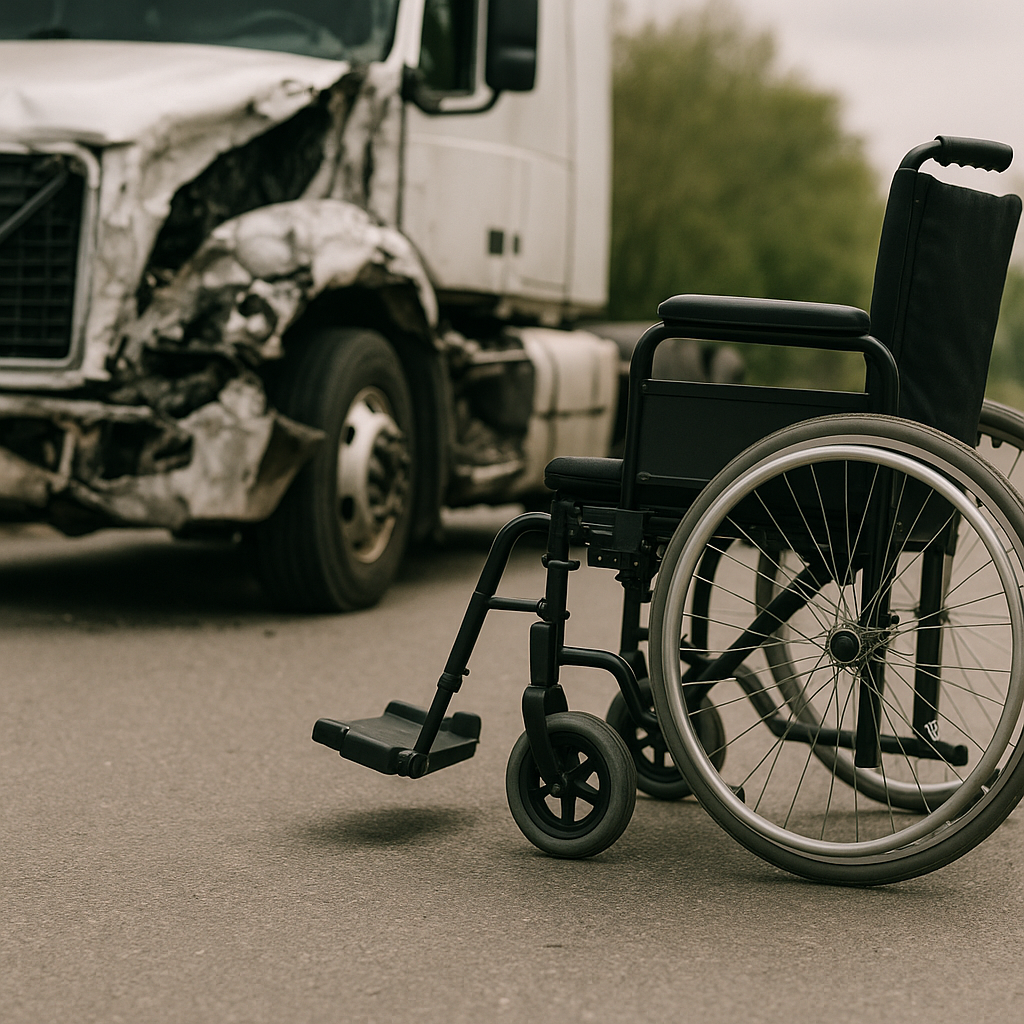
Permanent Bodily Damage After Truck Accidents
Understanding the long-term consequences of truck accidents is crucial for everyone involved—from victims and their families to healthcare providers. While truck accidents can lead to a range of injuries, permanent bodily damage is particularly serious and can have lasting effects on someone’s life.
Overview of the Injury
Permanent bodily damage from a truck accident refers to any lasting physical impairment that alters a person’s life significantly. Unlike injuries that heal over time, these types of injuries change how a person functions and lives. This includes a wide array of conditions, from spinal cord injuries and traumatic brain injuries to amputations and severe orthopedic damage.
How This Injury Commonly Occurs in Truck Accidents
Truck accidents frequently result in permanent bodily damage due to the sheer size and weight of commercial vehicles. The force of impact during such incidents is immense and often disproportionate to accidents involving smaller vehicles.
– High-speed collisions: Trucks, particularly when they crash at high speeds, can cause significant impact, leading to severe bodily harm.
– Rollover accidents: These types of accidents can be catastrophic, often crushing or severely injuring vehicle occupants.
– Underride accidents: Smaller vehicles can end up underneath a truck during a collision, causing devastating injuries.
Typical Symptoms and Physical Effects
When discussing permanent bodily damage, understanding the typical symptoms and physical effects helps to grasp the seriousness of these injuries.
– Spinal cord injuries: Symptoms range from chronic pain and reduced motor function to complete paralysis. Damage to the spine can result in quadriplegia or paraplegia.
– Traumatic brain injuries (TBI): Effects include cognitive impairments, memory loss, and emotional changes. These injuries may also affect speech and motor skills.
– Amputations: Losing a limb alters balance, mobility, and independence, requiring lifelong adaptations.
– Severe orthopedic injuries: Fractures and joint damage can lead to chronic pain and mobility issues, even after surgery and rehabilitation.
How the Injury Affects Daily Activities
When someone suffers permanent bodily damage in a truck accident, the effects on daily activities are profound and multifaceted.
– Mobility limitations: Difficulty with walking, standing, or moving independently can require assistive devices or home modifications.
– Communication challenges: TBIs may affect speech and comprehension, necessitating speech therapy and other interventions.
– Emotional impact: Adjusting to a new normal can lead to emotional and psychological stress, affecting interpersonal relationships and overall mental health.
– Job implications: Many who suffer from permanent injuries may find it challenging to return to their previous employment, leading to financial stress and retraining needs.
Variations in Severity
The severity of permanent bodily damage can vary widely from case to case.
– Minor to severe impact: Some might experience minor disabilities that allow for adaptation, while others face severe impairments that reshape every aspect of life.
– Complex medical needs: The severity of an injury often dictates the level of medical care required, from occasional consultations to continuous, long-term care.
Factors That Influence Recovery
While recovery varies, several factors influence how someone may adapt or improve over time:
– Age and general health: Younger individuals or those in better health may have different recovery prospects compared to older or less healthy individuals.
– Access to rehabilitation: Comprehensive rehab services, including physical, occupational, and speech therapy, can significantly influence an individual’s recovery journey.
– Support system: Family, friends, and community support play a vital role in emotional and practical recovery.
Informational Closing
The impact of permanent bodily damage from truck accidents is extensive, affecting physical capabilities, emotional well-being, and day-to-day life. Understanding these injuries and their potential consequences provides valuable insight into the challenges victims face. It’s a sober reminder of the importance of safety and awareness in reducing the tragic outcomes of such accidents.