
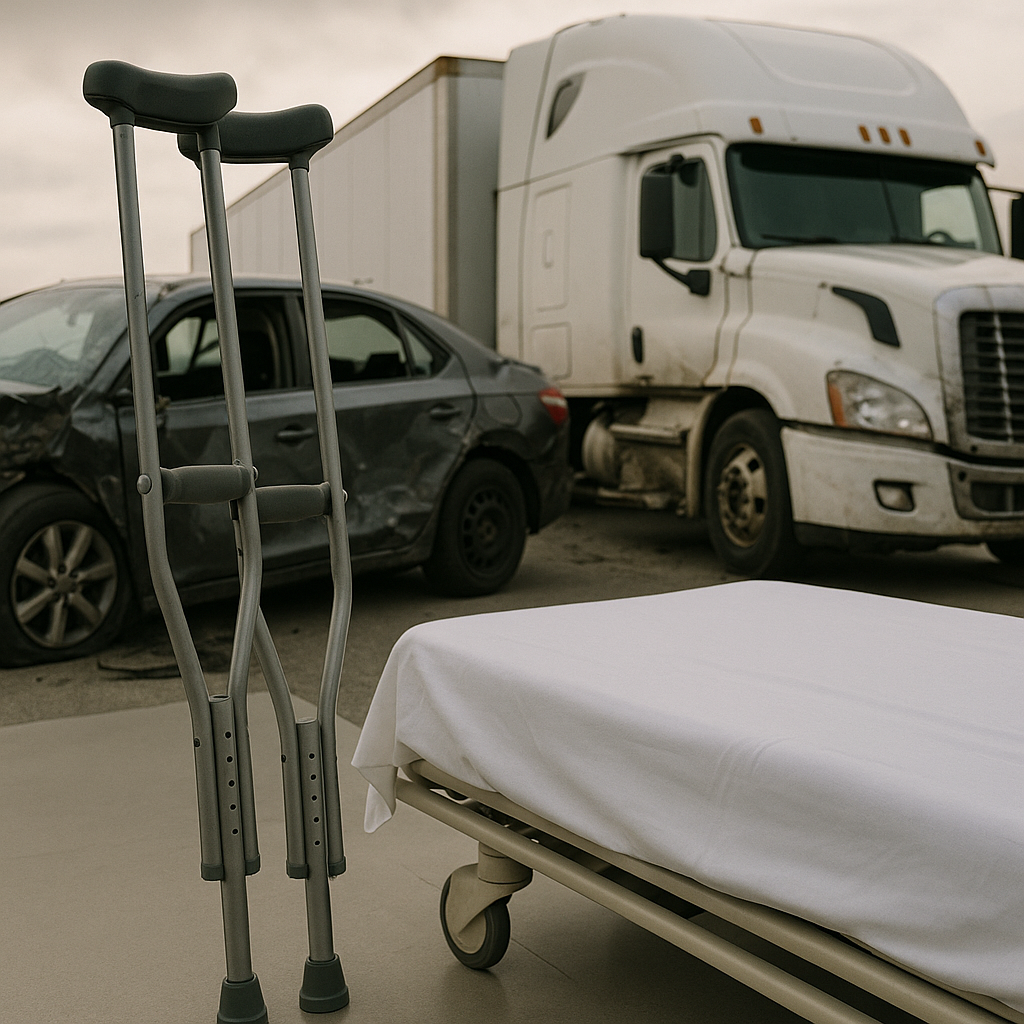
Severe Physical Trauma After Truck Accidents
Truck accidents can lead to devastating outcomes, often resulting in severe physical trauma that affects an individual’s life in profound ways. Understanding the nature of these injuries and how they commonly occur can provide greater insight into their impact.
Overview of the Injury
Severe physical trauma from truck accidents refers to significant bodily harm resulting from the collision of a truck with another vehicle, pedestrian, or object. Due to the substantial size and weight of trucks, accidents involving them tend to produce more severe injuries compared to collisions involving smaller vehicles.
Typical Symptoms and Physical Effects
Victims of truck accidents may experience a wide range of symptoms and physical effects, influenced by the type and severity of the trauma:
– Fractures and Broken Bones: Common in high-impact collisions, fractures can vary from minor to complex breaks requiring surgical intervention.
– Soft Tissue Injuries: Damage to muscles, ligaments, and tendons can lead to persistent pain and limited mobility.
– Head Injuries: Concussions and traumatic brain injuries (TBIs) may result, with effects ranging from mild confusion to long-term cognitive impairments.
– Internal Injuries: Damage to organs such as the liver, lungs, or kidneys can be life-threatening and may require emergency medical treatment.
– Spinal Cord Injuries: These can lead to temporary or permanent changes in strength, sensation, and function below the injury site.
How the Injury Affects Daily Activities
The impact of severe physical trauma extends beyond immediate medical concerns, affecting the daily lives of those injured:
– Mobility and Independence: Injuries can result in temporary or permanent loss of mobility, necessitating the use of wheelchairs, crutches, or other aids. Everyday tasks may become challenging or unachievable without assistance.
– Pain Management: Chronic pain is a common aftermath of severe injuries and often requires ongoing management through medication, physical therapy, or other treatments.
– Emotional and Psychological Effects: The trauma of an accident, coupled with significant physical injuries, can lead to anxiety, depression, or post-traumatic stress, impacting overall mental health.
– Work and Lifestyle Changes: Return to work may be delayed or impossible, necessitating a reassessment of career and lifestyle choices.
How This Injury Commonly Occurs in Truck Accidents
Truck accidents are often more severe due to the sheer size and weight of the vehicles involved. Understanding how these injuries occur can shed light on their severity:
– High-Speed Collisions: When trucks collide at high speeds, the force of impact can cause catastrophic injury to all involved parties.
– Rollovers and Jackknifes: Trucks are prone to rollovers and jackknifing, which can result in severe crushing injuries to the truck’s occupants and those in surrounding vehicles.
– Cargo Spills: Spilled cargo during an accident can contribute to secondary injuries, including exposure to hazardous materials.
– Underride Crashes: These occur when smaller vehicles slide underneath a truck, often resulting in life-threatening injuries to occupants.
Variations in Severity
Not all injuries sustained in truck accidents are alike; severity can vary widely based on numerous factors:
– Point of Impact: Injuries may differ depending on whether the impact occurs at the front, side, or rear of the truck or other vehicle.
– Speed and Angle: The speed and angle of the collision can affect the violence of the impact and the likely injury outcomes.
– Use of Safety Devices: Seat belts, airbags, and other safety features can mitigate the severity of injuries.
Factors That Influence Recovery
Recovery from severe physical trauma is influenced by multiple factors, including:
– Prompt Medical Attention: Immediate care can significantly influence outcomes, as it addresses injuries before complications arise.
– Overall Health and Age: Younger, healthier individuals may recover more quickly, although this is not always the case.
– Rehabilitation Access: Availability of physical, occupational, and psychological rehabilitation can support recovery and improve quality of life.
In conclusion, severe physical trauma from truck accidents poses significant challenges to those affected. Understanding the common causes, symptoms, and repercussions on daily life is essential to grasp the full extent of these injuries. While recovery paths can vary widely, awareness and understanding can help in adapting to the ongoing challenges posed by such traumatic experiences.