
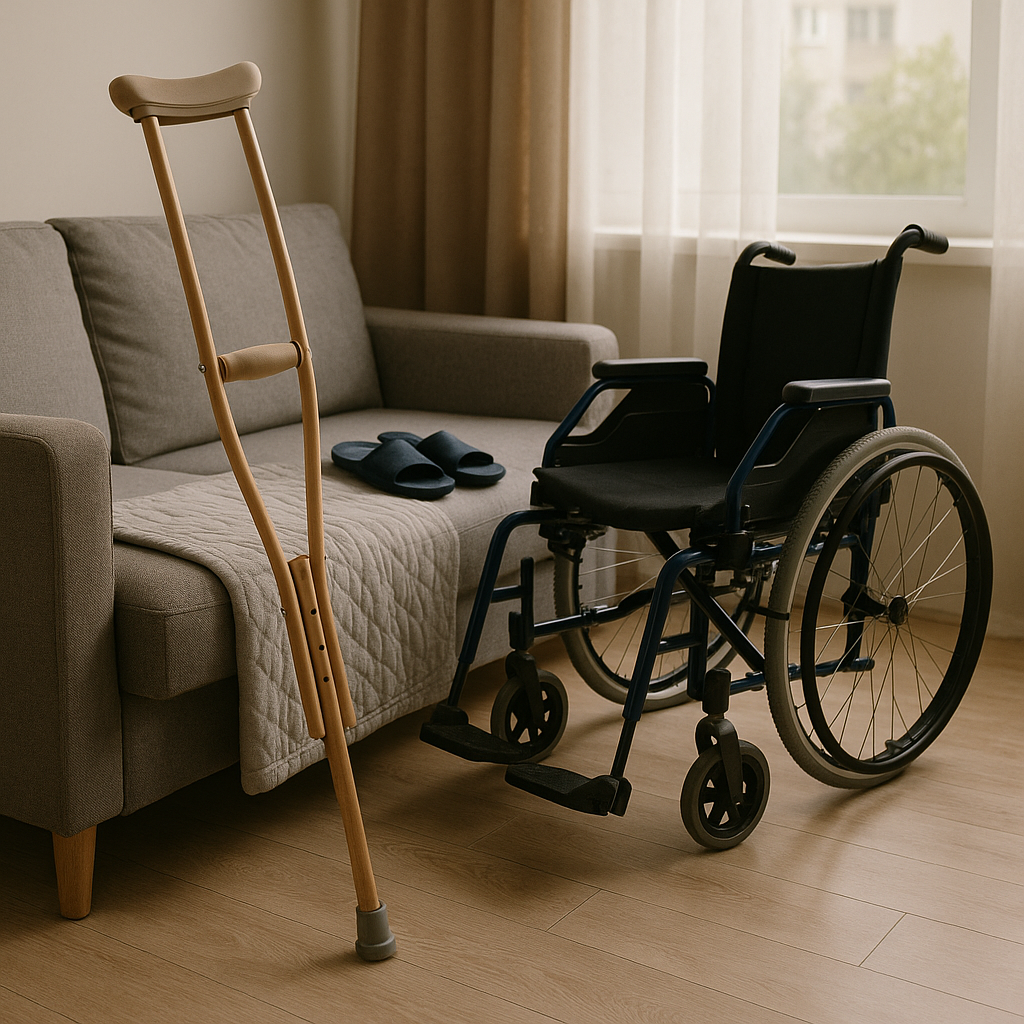
Long Recovery After Multiple Injuries
Accidents involving trucks often result in severe injuries due to their size and weight. Recovery from these injuries can be a prolonged and challenging process, particularly when multiple injuries are involved. Understanding the nuances of a long-term recovery journey can help those affected manage expectations and cope with the road ahead.
What Long-term Recovery Means After a Truck Accident
In the context of a truck accident, long-term recovery refers to the extended period needed to heal physically, mentally, and emotionally from significant injuries. Unlike minor incidents with swift resolution, truck accidents can inflict serious damage to various parts of the body, requiring attention over months or even years. Long-term recovery involves ongoing medical treatment, physical rehabilitation, mental health support, and lifestyle adjustments to adapt to new limitations or changes in health.
Common Challenges During Extended Recovery
The journey to full recovery from a truck accident is fraught with challenges that can vary in intensity and duration. Among these are physical, emotional, and logistical hurdles that can impact daily life and overall well-being.
Physical Recovery Over Time
Physical recovery is often a central focus in the aftermath of a multi-injury scenario. Truck accidents can result in broken bones, spinal injuries, traumatic brain injuries (TBIs), and more. Healing from these injuries can entail surgeries, physical therapy, and long-term medical care.
The process of physical rehabilitation is typically incremental and requires patience. Gains in mobility or strength can be slow, and setbacks may occur, requiring modified approaches or additional treatments. It’s essential to engage with healthcare providers to address pain management, optimize recovery strategies, and celebrate small milestones along the way.
Emotional and Mental Recovery Considerations
The emotional and mental aspects of recovering from a truck accident should not be underestimated. Victims might experience anxiety, depression, or PTSD following such traumatic events. Emotional recovery necessitates professional support from therapists or counselors who specialize in trauma recovery.
Addressing mental well-being is crucial for a balanced recovery process. Participation in support groups, engaging in meditation or mindfulness practices, and maintaining open communication with loved ones can provide additional emotional support. Understanding that emotional healing is a part of the broader recovery landscape can help create a more comprehensive approach to overall health.
Setbacks During Recovery
Setbacks are a natural part of the recovery process and can occur unexpectedly. Whether it’s a physical complication or an emotional downturn, setbacks can be discouraging. However, acknowledging that these are part of the recovery journey can reduce frustration. Learning from setbacks and adapting recovery strategies with the help of healthcare professionals can aid in regaining momentum.
Managing Expectations Over Months or Years
Managing expectations is crucial when dealing with long-term recovery. Recovery timelines can vary widely based on the severity of injuries, individual health conditions, and the effectiveness of treatment methods. Setting realistic, flexible goals with healthcare providers and understanding each stage of recovery can help in maintaining a positive outlook.
Maintaining a focus on gradual improvement rather than comparing progress to others can prevent feelings of inadequacy. Regularly reevaluating goals and progress is vital to ensuring that expectations remain aligned with reality.
A Neutral, Informational Closing Section
Understanding the complexities involved in recovering from multiple injuries sustained in a truck accident underscores the importance of patience and resilience. While the road to recovery can be long and arduous, incremental progress in physical, emotional, and mental health is possible with the right support and resources.
Recognizing the diverse challenges and maintaining realistic expectations can empower individuals to navigate the long journey of healing, focusing on regaining autonomy and improving quality of life. Engaging with support networks and specialists can further ease this transition, leading towards a future where recovery yields meaningful and lasting change.