
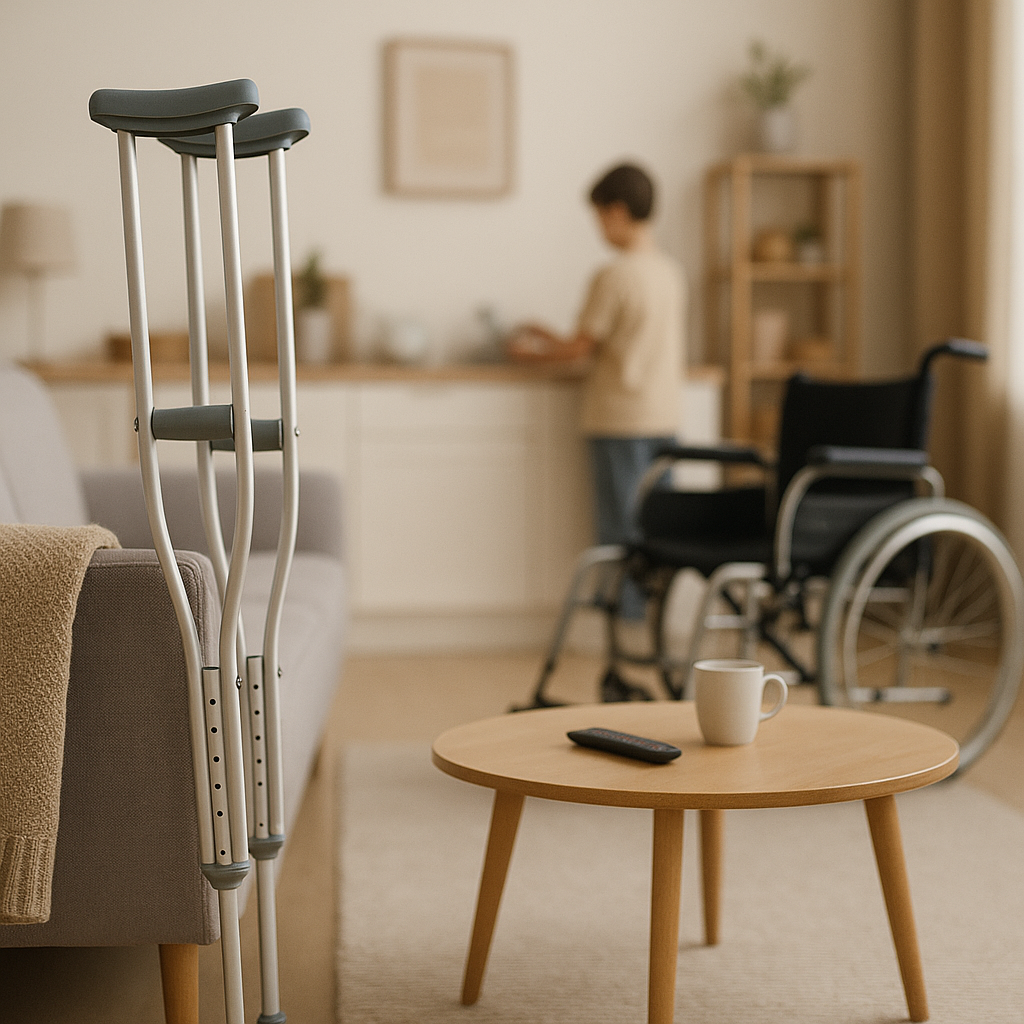
Family Role Changes After Injury
When a family member experiences a serious truck injury, the ripple effects can touch every aspect of life. The impact is immediate, but also evolves as families navigate their new reality. This article explores how family roles and dynamics often shift after such incidents, highlighting the adjustments that are commonly faced.
How Life Changes After Serious Truck Injuries
A serious truck injury can alter the fabric of daily life for everyone involved. Families may find themselves in new roles, shedding old routines and habits to adapt to new circumstances. These changes often unfold gradually as the initial crisis subsides and long-term realities set in.
Common Adjustments People Face
The aftermath of a truck injury often necessitates a reevaluation of household responsibilities, financial planning, and interpersonal dynamics. Let’s explore some of the most common adjustments families might face following such an injury.
Changes to Daily Routines
Life after a serious truck injury often demands significant changes to everyday routines. Tasks that were once taken for granted may now require conscious planning and effort. For instance, a family member who previously managed household chores or childcare may now be dependent on others for support.
Adjustments can include altered work schedules, where family members might need to reduce hours or even leave their jobs to assist with caregiving. This shift can place additional pressure on the family’s financial stability and create new logistical challenges. Coordinating medical appointments, physical therapy sessions, and new transportation needs requires a reorganization of daily schedules, sometimes necessitating external help or community support.
Impact on Relationships and Independence
Injuries not only impact physical capabilities but also influence interpersonal relationships. Family dynamics often change as roles are redefined. A spouse or partner may take on new responsibilities, leading to shifts in roles that can affect the balance of independence and dependency within the relationship.
These changes can be particularly challenging for both the injured and their caregivers. The individual who was injured may struggle with feelings of loss or inadequacy, while caregivers can experience fatigue or emotional strain. Open and compassionate communication becomes essential in navigating these emotional landscapes, ensuring that each member of the family feels supported and understood.
##### Long-term Lifestyle Adaptations
Adjustments can extend into long-term lifestyle changes. Depending on the severity of the injury, permanent modifications to the living environment may be necessary. Homes might require adaptations like ramps, stairlifts, or specialized bathroom fixtures to accommodate mobility limitations.
In some cases, long-term or permanent changes in employment or career paths may be necessary. Families might relocate to be closer to medical facilities or support networks, influencing community ties and educational settings for children. These adaptations require thoughtful planning and acceptance of a new normal.
##### Emotional and Practical Adjustments
Coping with the emotional aftermath of a serious injury requires time and understanding. Families might benefit from counseling or support groups to help manage stress and foster resilience. Practically, learning to navigate healthcare systems, insurance processes, and legal matters becomes part of the new routine, often requiring additional resources and support.
The psychological impact is not confined to the injured individual alone; all family members may experience feelings of frustration, anxiety, or grief. Acknowledging these emotions and seeking appropriate support helps in making these transitions smoother.
Conclusion
Family role changes after a truck injury can be profound, necessitating a resilient and adaptive approach to the altered circumstances. While the journey can be challenging, developing strategies for effective communication and seeking support where needed can help families navigate the complexities of their new reality.
By understanding and preparing for these changes, families can work together to create a compassionate environment where everyone feels heard and supported. The path may be difficult, but with patience and understanding, families can find a way to adjust and thrive in the face of adversity.