
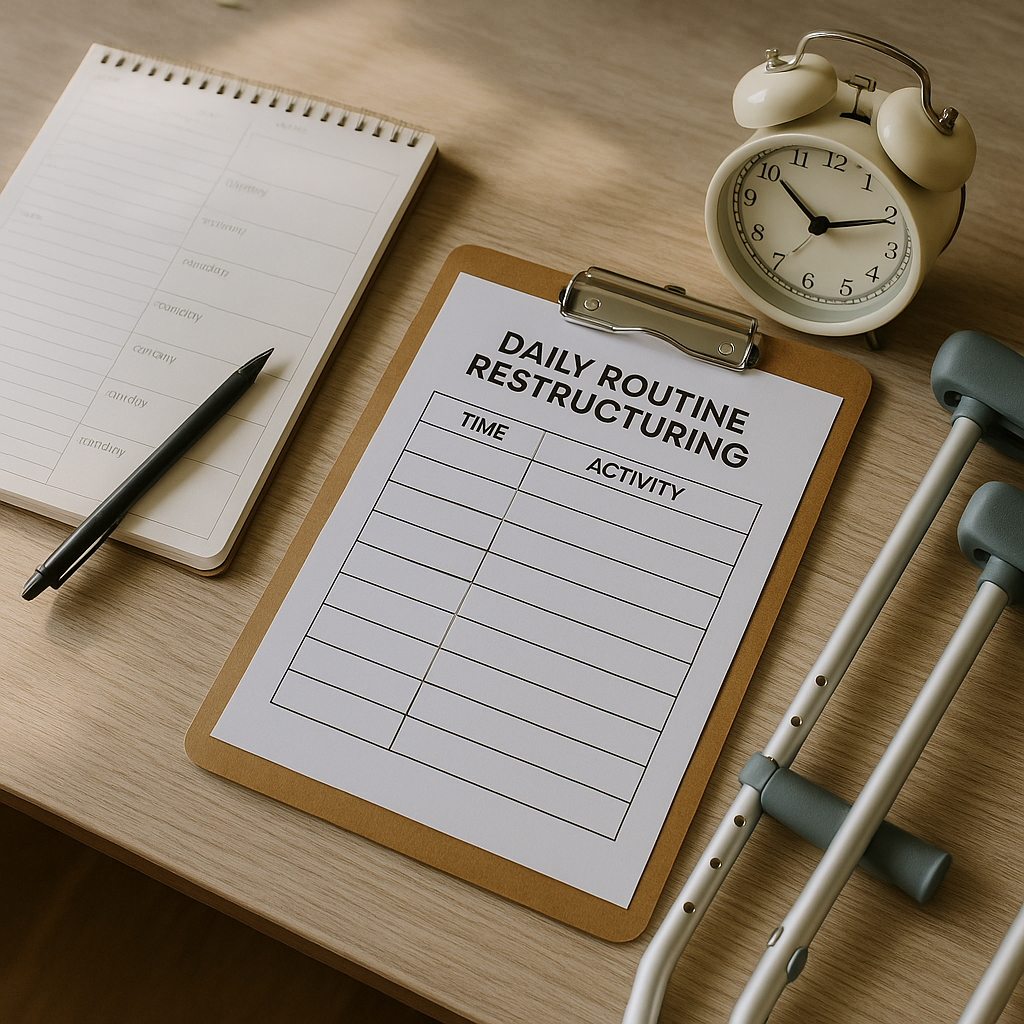
Daily Routine Restructuring After Injury
When serious truck injuries occur, they can significantly alter the way individuals conduct their daily lives. These injuries demand more than just medical attention; they require a comprehensive reshaping of everyday routines to accommodate new physical and emotional realities.
How Life Changes After Serious Truck Injuries
Experiencing a truck-related injury often means facing a series of profound changes. Whether adjusting to limited mobility, coping with chronic pain, or handling emotional upheaval, the impact of these injuries extends beyond the physical aspects.
Common Adjustments People Face
Every individual’s journey after a truck injury is unique, yet several common adjustments are experienced during the recovery and adaptation phases.
Changes to Daily Routines
Following a serious truck injury, restructuring daily routines becomes essential. Tasks that were once second nature, such as getting dressed or preparing meals, may now require thoughtful planning and assistance.
– Mobility Challenges: Often, mobility is affected, necessitating the use of aids like wheelchairs or walkers. This can make navigating once-familiar spaces challenging. Reorganizing living spaces to enhance accessibility becomes critical.
– Professional Responsibilities: Work life also changes. Some may be unable to return to previous roles, requiring career adjustments or transitions. New schedules may be needed to accommodate therapy or rehabilitation sessions.
Impact on Relationships and Independence
Serious injuries do not only affect the individual but ripple through their personal relationships and sense of independence.
– Family Dynamics: Family members may take on caregiving roles, potentially altering relationship dynamics. Empathy and communication become key to managing these changes and maintaining balanced relationships.
– Social Interactions: Social life may undergo significant adjustments, as energy levels or mobility restrictions can limit participation in social activities. Learning new ways to engage with friends and community can help maintain these bonds.
– Sense of Independence: Many individuals face a loss of independence, which can be challenging to accept. Finding new ways to accomplish daily tasks independently, such as through assistive technology, is vital for emotional well-being.
Long-term Lifestyle Adaptations
Long-term, individuals may need to embrace lifestyle adaptations to sustain their quality of life.
– Home Modifications: Implementing modifications such as ramps, handrails, or motorized chairs to facilitate movement within the home.
– Health Management: Continuous management of health, including regular check-ups and therapy sessions, becomes a foundational aspect of the routine.
– New Hobbies and Interests: Engaging in new activities that accommodate changing physical abilities, like adaptive sports or art, can enrich life and offer new avenues for joy.
Emotional and Practical Adjustments
Practical changes are essential, but emotional adjustments are equally important in achieving a balanced post-injury life.
– Emotional Support: Seeking appropriate emotional support, whether through therapy, support groups, or open conversations with loved ones, can facilitate emotional healing.
– Mindset Shifts: Practicing mindfulness or engaging in stress-relieving activities can aid in managing frustration or sadness associated with lifestyle changes.
Finally, it’s important to keep a grounded perspective amidst these transformations. Recognizing that adjustments are a process and progress may be gradual can help in setting realistic expectations.
In closing, restructuring daily routines after truck injuries involves a blend of practical and emotional considerations. While the journey is personal and can be challenging, embracing these changes with patience and openness can lead to a fulfilling life post-injury. Each step taken toward accommodating new realities is a step toward discovering new strengths and capabilities.