
Managing Expectations After Injury
Recovering from truck-related injuries can significantly alter one’s life, presenting challenges that require careful expectation management. Understanding these changes is crucial for adapting to new realities and finding a path to recovery that respects individual circumstances.
How Life Changes After Serious Truck Injuries
Truck injuries can be life-altering, often demanding a re-evaluation of what one’s daily life looks like. These changes affect physical capabilities, daily routines, mental health, and social interactions. Recognizing and accepting these adjustments helps build a realistic framework for managing expectations after injury.
Changes to Daily Routines
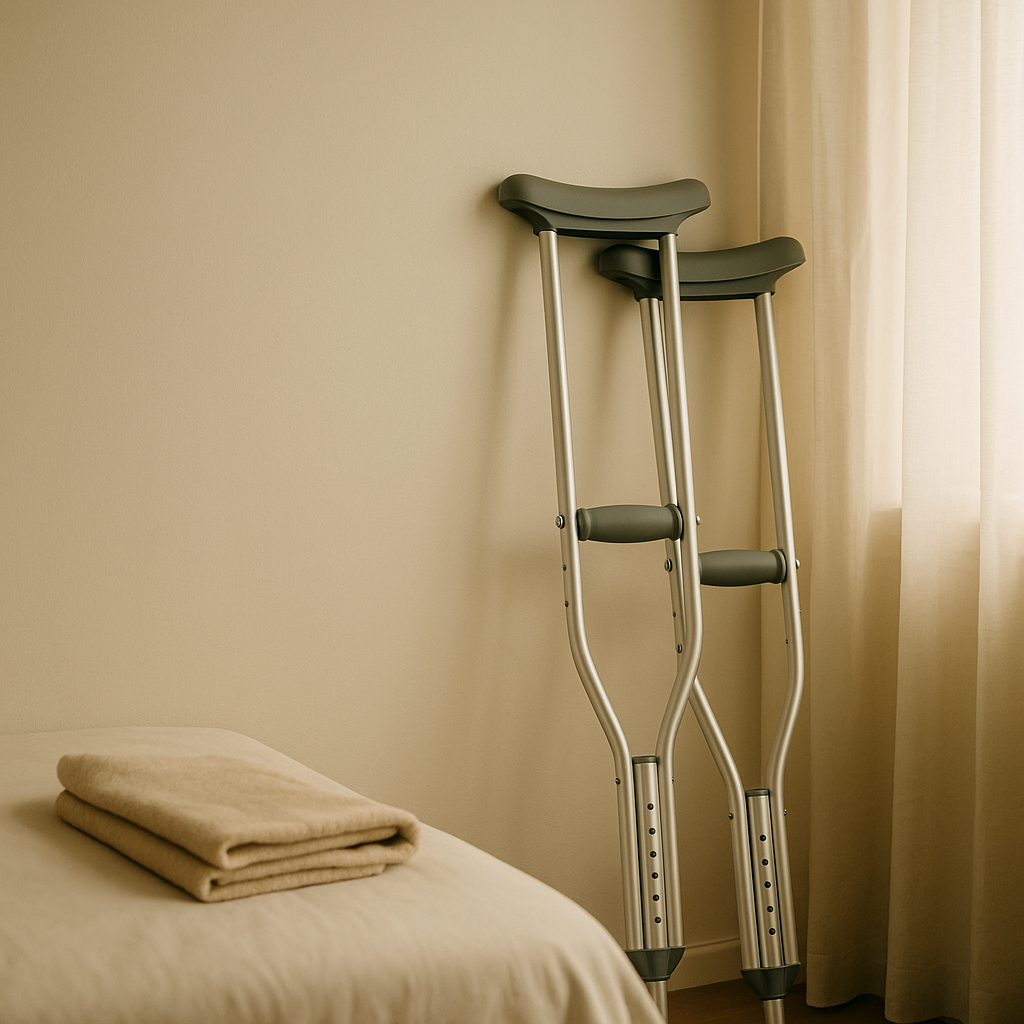
One of the most immediate changes post-injury is the disruption to daily routines. Simple tasks like getting out of bed, personal grooming, or preparing a meal can become formidable challenges. Mobility may be temporarily or permanently altered, requiring aid such as crutches, wheelchairs, or additional human help.
Adjusting daily schedules to accommodate medical appointments, physical therapy, and periods of rest becomes necessary. Balancing these new routines while acknowledging limitations can be demanding but crucial for a smoother recovery process.
Impact on Relationships and Independence
Injuries can also affect personal relationships and a sense of independence. Dependence on others for assistance may strain previously equal partnerships with family or friends. The shift in dynamics can lead to feelings of frustration or guilt.
Open communication with loved ones is essential. It fosters understanding and support while allowing injured individuals to express their needs and boundaries. This adaptive process is vital in maintaining healthy relationships and mitigating the emotional toll of lost independence.
Common Adjustments People Face
In addition to adjusting daily routines and relationships, there are broader life changes to consider. These adapt to both immediate circumstances and long-term implications.
Long-term Lifestyle Adaptations
Some injuries necessitate long-term lifestyle changes. Careers might need reassessment, especially if physical demands are involved. Adapting or retraining for a different role may be necessary, requiring time and patience.
Home environments may also need modifications for mobility and safety. This could involve installing ramps, changing furniture layouts, or incorporating technology aids to enhance accessibility.
Emotional and Practical Adjustments
The emotional impact of serious injuries cannot be overstated. Coping with trauma, stress, or potential chronic pain requires emotional resilience and often professional support. Engaging in therapy and support groups can provide invaluable resources for managing the mental and emotional repercussions of injuries.
Practically, expectation management extends to financial adjustments. Medical expenses and possible diminished earning capacity demand strategic financial planning. Understanding these challenges helps in fostering control over otherwise unpredictable aspects of life post-injury.
A Calm, Respectful Informational Closing Section
Managing expectations after truck injuries is a deeply personal journey. It requires patience, acceptance, and adaptability, acknowledging that normality may look different but is still attainable. Embracing the changes thoughtfully ensures a more stable and positive adaptation to new life circumstances. Each step taken, no matter how small, contributes to a broader path of recovery and well-being.