
Balancing Independence and Support After Truck Injuries
Life can take unexpected turns, and experiencing a serious truck injury is one such event that can profoundly alter one’s existence. The journey after such an incident involves navigating the delicate balance between maintaining independence and accepting support. This article explores the various life changes and adjustments that individuals might face, providing insight into how to cope with these shifts respectfully and informatively.
How Life Changes After Serious Truck Injuries
Truck injuries can lead to both immediate and lasting impacts on an individual’s life. Physical limitations, emotional upheaval, and lifestyle changes are often the most noticeable consequences. Understanding these changes is crucial in adapting to a new way of living.
Common Adjustments People Face
Changes to Daily Routines
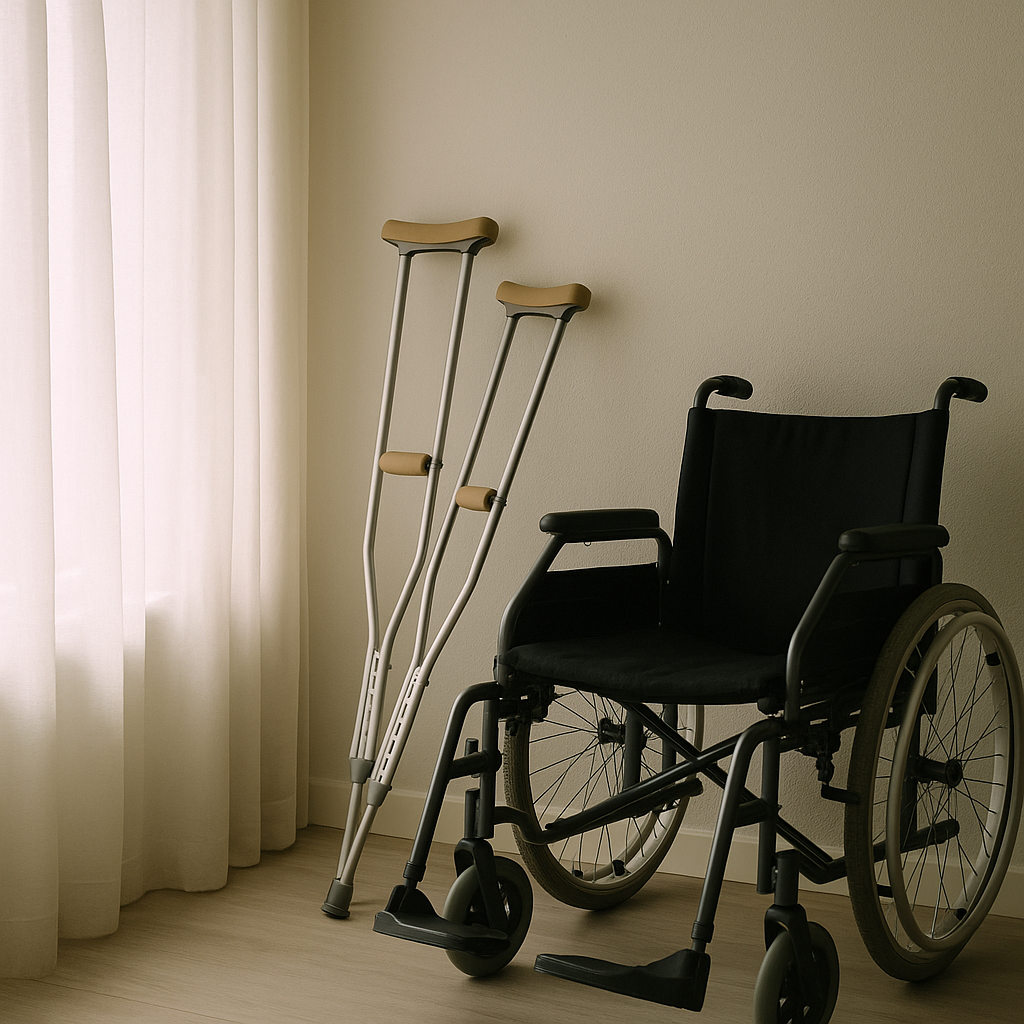
After a truck injury, daily routines often require reassessment and adaptation. Simple activities that were once taken for granted may now demand more effort or creative solutions. Individuals might need to incorporate new supportive devices or services into their everyday lives, such as mobility aids or home modifications.
Adapting to these changes can take time and may involve a period of trial and error. The goal is to find a routine that maximizes independence while ensuring that necessary support is readily accessible. Establishing a new daily structure can help manage the transition with greater ease and stability.
Impact on Relationships and Independence
The impact of a truck injury extends beyond personal limitations, affecting relationships with family, friends, and caregivers. Loved ones often step into supportive roles, which might shift the dynamics within these relationships. It’s important to maintain open communication, expressing needs and boundaries to ensure mutual understanding and respect.
Maintaining personal independence is a critical aspect of rehabilitation. While accepting help is sometimes necessary, it’s vital to set personal goals and seek ways to accomplish them. This might include exploring new hobbies or interests that align with one’s current abilities, fostering a sense of achievement and autonomy.
Long-term Lifestyle Adaptations
For many, the aftermath of a truck injury involves significant long-term lifestyle adaptations. This can encompass changes in employment, recreational activities, and living arrangements. Returning to work might require adjustments to accommodate physical limitations, such as modified duties or alternative career paths.
Leisure and recreation are also important for mental well-being. Seeking adaptive sports or community programs can offer a sense of normalcy and inclusion. Moreover, exploring new hobbies that fit into the revised lifestyle can be both rewarding and empowering.
Emotional and Practical Adjustments
The emotional journey following a truck injury can be complex, often involving feelings of loss, frustration, or even grief. Professional counseling or support groups can provide valuable avenues for expressing these emotions and finding comfort in shared experiences.
From a practical standpoint, learning new skills or enhancing existing ones can foster independence. Technology often plays a significant role in this, with various apps and tools designed to assist with everything from communication to daily planning.
Conclusion
Adapting to life after a serious truck injury involves a multifaceted approach, balancing the need for assistance with the desire to maintain personal autonomy. It’s a journey marked by both challenges and opportunities for growth. By embracing change and seeking support when necessary, individuals can forge a path that respects their independence and harnesses the strength found in community and connection. Each step can become a testament to resilience, guiding the way toward a fulfilling and adaptive life.