
How Pain Evolves After Truck Injuries
When discussing truck accidents, many people focus on the immediate aftermath—damage to vehicles and the visible injuries to those involved. However, understanding how pain evolves after truck injuries is crucial for recognizing the longer-term implications on well-being.
Why People Commonly Ask This Question
Truck accidents often result in severe injuries due to the sheer size and force of the vehicles involved. This can lead to complex recovery processes that leave victims and their families searching for answers. Many people ask about the evolution of pain because they seek to understand what they or their loved ones might experience in the weeks and months following an accident.
Clear Explanation of the Issue
Pain is not static and can change over time. Initially, individuals may experience acute pain, which is sharp and immediate, often signaling tissue damage. As time progresses, pain may become more chronic, lingering for weeks or longer and potentially affecting overall quality of life.
Context People May Not Realize
One often underappreciated aspect is that pain evolution is not only physical. Emotional and psychological factors can significantly influence how pain is perceived and managed. Stress, anxiety, and trauma frequently accompany the physical pain of a truck accident, complicating recovery and potentially intensifying perceived pain levels.
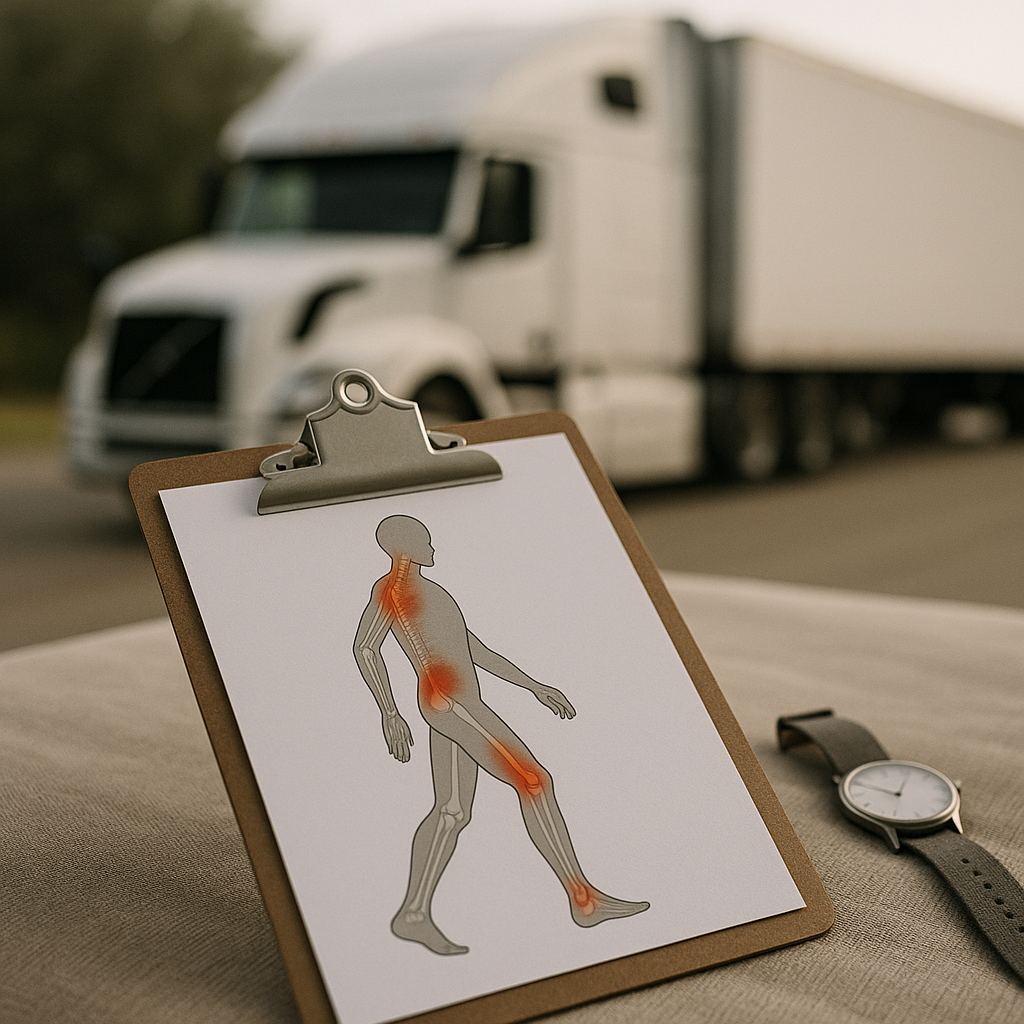
Furthermore, the injuries sustained might lead to secondary pain areas. For instance, a leg injury from a truck accident could result in altered posture or gait, eventually causing back or hip pain. People may not connect these subsequent issues directly to the original injury without proper understanding.
What People Often Think About Next
Once the immediate physical injuries begin to heal, people may start wondering about ongoing symptoms. They often consider whether lingering pain is normal or indicative of a more serious underlying condition. Concerns about chronic pain development, which could necessitate long-term management strategies, arise frequently.
Related Considerations
An essential consideration is the impact of delayed symptoms. It’s common for some pain or symptoms not to manifest immediately after a truck accident. Whiplash, for example, might take several days to fully present. Recognizing this possibility can prompt individuals to seek continued observation and follow-up.
Moreover, the role of rehabilitation and therapeutic interventions becomes a focus. Understanding that physiotherapy, mental health support, and sometimes even lifestyle adjustments may be necessary helps in preparing for a comprehensive recovery process.
Common Misunderstandings
A prevalent misunderstanding is equating pain with visible injuries only. In reality, internal injuries or soft tissue damage might not be immediately apparent but can still result in significant pain and complications. Another common misconception is that pain will resolve entirely on its own. While many injuries heal over time, some pain, particularly if ignored, can evolve into a chronic condition requiring more intensive intervention.
In conclusion, understanding how pain evolves after truck injuries allows for a more comprehensive appreciation of the recovery journey. Recognizing the physical, emotional, and psychological aspects of pain evolution can lead to better-informed decisions and expectations regarding recovery and well-being.