
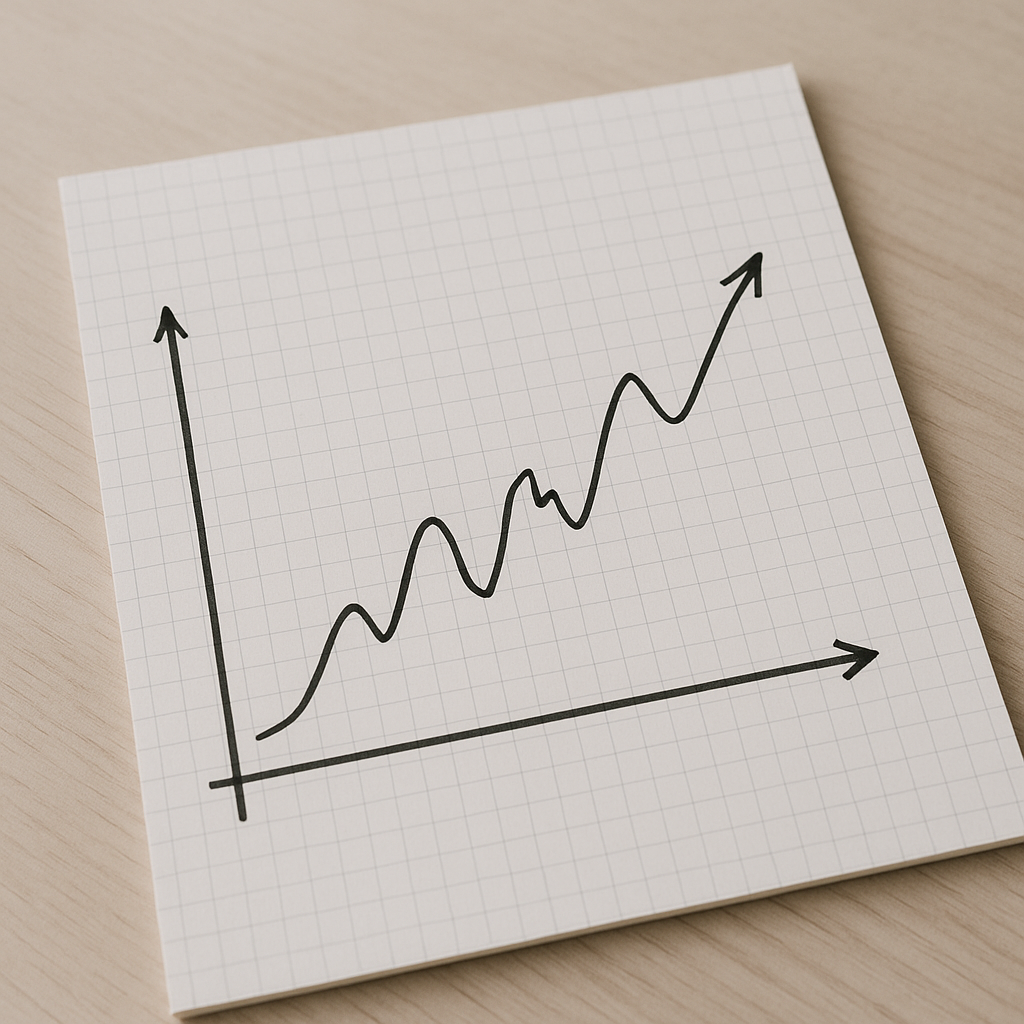
Why Recovery Is Not Linear
Why People Commonly Ask This Question
In the journey toward healing—whether from physical injury, mental health issues, or addiction—many wonder why progress isn’t straightforward. The expectation of a predictable path can often lead to confusion and frustration. People ask this question because they seek understanding and reassurance that their experiences are normal.
Clear Explanation of the Issue
Recovery is inherently a complex process that involves various factors—emotional, physical, psychological, and social. Unlike a straight road, it often involves twists, turns, and detours. This non-linear nature is due to the multifaceted challenges each individual faces and the ongoing need for adjustment in strategies and mindset.
Context People May Not Realize
Many don’t realize that recovery is influenced by past experiences, personal circumstances, and unique resilience levels. Setbacks are common and can occur without warning, triggered by unforeseen stressors or life events. This unpredictability plays a significant role in why a linear path is elusive.
Related Considerations
The idea that recovery should be linear often stems from societal narratives and success stories that highlight quick and straightforward paths to healing. However, these stories rarely capture the ongoing struggles and adjustments necessary in the background.
What People Often Think About Next
Once people understand the non-linear nature of recovery, they may question how to prepare for this unpredictability. Developing coping strategies and building supportive networks become crucial. Understanding that setbacks do not equate to failure helps individuals maintain motivation and resilience.
Common Misunderstandings
A widespread misunderstanding is that any regression means a total loss of previous progress. In reality, each step back provides learning opportunities and valuable insights. Understanding this helps reduce frustration and fosters a more realistic approach to the recovery journey.
In summary, recognizing that recovery is not linear enables individuals to approach their healing process with patience and compassion. By embracing the complexities, they are better equipped to navigate setbacks and celebrate progress, no matter how small.