
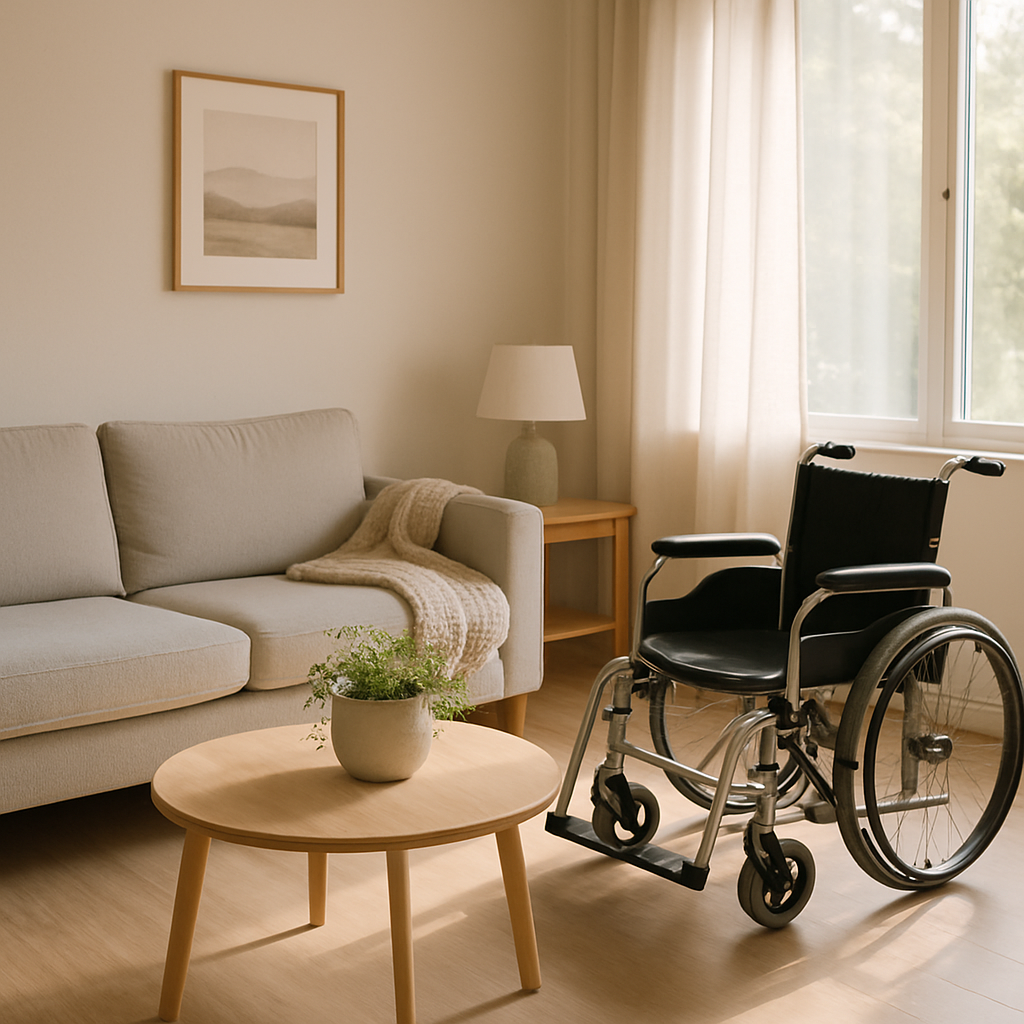
What Life Looks Like Years After Injury
Life after an injury can be a journey fraught with challenges, adaptations, and personal growth. The aftermath is not just about healing physically but also involves emotional and social aspects that significantly impact one’s life. Understanding this journey is crucial for those directly affected and their loved ones.
Why People Commonly Ask This Question
Injuries can transform lives in unexpected ways, leading many to wonder how life will unfold in the years to come. Concerns about physical ability, emotional stability, and lifestyle changes are common.
Context People May Not Realize
Injuries can have long-term effects that extend beyond the immediate physical impact. People may require ongoing medical attention or rehabilitation, influencing daily routines and overall quality of life.
Many do not anticipate the emotional ramifications, including potential struggles with identity, self-worth, and mental health. The social aspect, like changes in relationships and community roles, also plays a significant role.
Clear Explanation of the Issue
Recovering from an injury is often a lengthy process, with the initial healing phase being just the beginning. As time progresses, new challenges and adaptations emerge.
What People Often Think About Next
Physical and Emotional Adjustments
Adaptation entails modifying one’s lifestyle to accommodate new limitations or capabilities. Physical therapy might become a permanent fixture in life, with varying degrees of mobility or pain management becoming the new normal.
Emotionally, resilience grows as individuals learn to navigate these changes, often fostering personal growth and strength. Some people find new passions or career paths inspired by their experiences.
Social Dynamics and Relationships
Relationships might shift post-injury. Friends and family often need to adjust their perspectives, offering either newfound support or, in some cases, distancing themselves. Building a supportive community becomes vital, whether through support groups or new social networks.
Related Considerations
Navigating these changes requires understanding and empathy from all involved parties. Open communication with loved ones can help in adjusting to new dynamics. It’s also important to recognize the potential for positive outcomes, such as increased empathy and stronger bonds.
Common Misunderstandings
A prevalent misconception is that visible healing signifies complete recovery. Instead, many continue facing invisible struggles with mental health or chronic pain. It’s crucial to acknowledge these hidden battles and provide support accordingly.
Another misunderstanding is underestimating the capacity for growth and adaptation. While challenges exist, many individuals find strength and resilience they never knew they possessed.
Reflecting on the Journey
Life years after an injury involves navigating a complex landscape of physical, emotional, and social experiences. While initial recovery focuses on physical healing, the extended journey encompasses far more, involving adaptation and personal evolution.
In understanding what life might look like after an injury, it’s essential to consider every facet of the individual’s experience, embracing both the challenges and triumphs they encounter along the way. Through patience, empathy, and understanding, both those affected and their loved ones can foster a supportive environment conducive to growth and healing.