
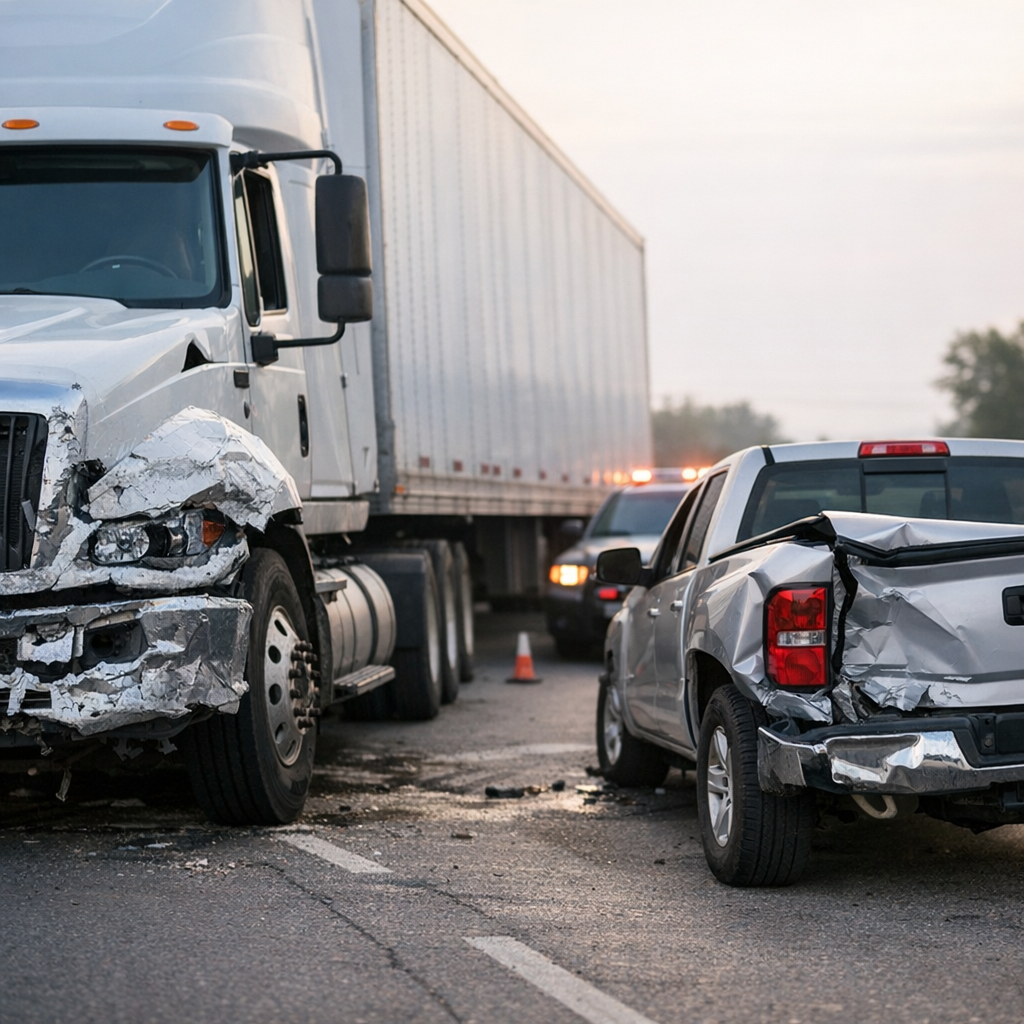
Who is at Fault in a Truck Accident
Introduction to Fault and Responsibility in Truck Accidents
When a truck accident occurs, determining responsibility is a key part of the claims process. Understanding who is at fault in a truck accident is not always straightforward, as truck accidents involve specific regulations and complexities compared to standard vehicle collisions. The concept of a “fault truck accident” refers to the process of establishing legal liability for the crash and any resulting damages.
How Fault is Typically Evaluated in This Type of Situation
Fault in a truck accident is typically evaluated using evidence from the accident scene, witness accounts, police reports, and sometimes the data collected from vehicle monitoring systems. Investigators look to establish who acted carelessly or failed to follow rules and regulations, leading to the accident.
Key Factors That Influence Who May Be Responsible
– Driver’s Actions: Speeding, distracted driving, or violating traffic laws can all contribute to fault.
– Truck Maintenance: Poor vehicle maintenance by the trucking company can lead to brake failures or tire blowouts.
– Cargo Loading: Improper loading can cause a truck to lose balance or spill cargo.
– Weather and Road Conditions: Failure to adjust driving to conditions can shift responsibility.
How Different Parties Can Share or Shift Liability
Liability in a fault truck accident is not always limited to the truck driver. Several parties may share responsibility:
– Truck drivers may be individually liable for negligent driving.
– Trucking companies can be responsible for improper driver training, poor maintenance, or scheduling practices that encourage unsafe behavior.
– Cargo loaders might be liable if the load contributed to the crash.
– Other drivers on the road may also play a role if their actions led to the accident.
How Evidence is Used to Determine Fault
Establishing fault in a truck accident relies heavily on evidence such as:
– Photographs and video footage
– Police and incident reports
– Eyewitness statements
– Data from onboard electronic logging devices (ELDs)
– Maintenance and inspection records
This evidence helps reconstruct what happened and clarify the contributions of each party.
Common Complications in Determining Liability
Determining liability in a fault truck accident can be complicated by:
– Multiple vehicles or parties involved
– Conflicting witness accounts
– Complex federal and state trucking regulations
– Disputes over interpretation of electronic data
These elements often require detailed investigation and analysis.
General Awareness of How Fault Can Impact Outcomes and Next Steps
Understanding fault is important because it influences how compensation is pursued and distributed. Insurance carriers, regulators, and sometimes courts all play a role in the process. Those involved in a truck accident should consider gathering available evidence and cooperating with all investigations.
Closing Informational Summary
In conclusion, determining who is at fault in a truck accident involves an evaluation of various factors and parties using collected evidence and knowledge of relevant laws. Truck accidents often present complex liability scenarios with potential for shared or disputed fault. Ultimately, each accident is unique, and careful, unbiased assessment is required to clarify responsibility and guide next steps in a fault truck accident case.