
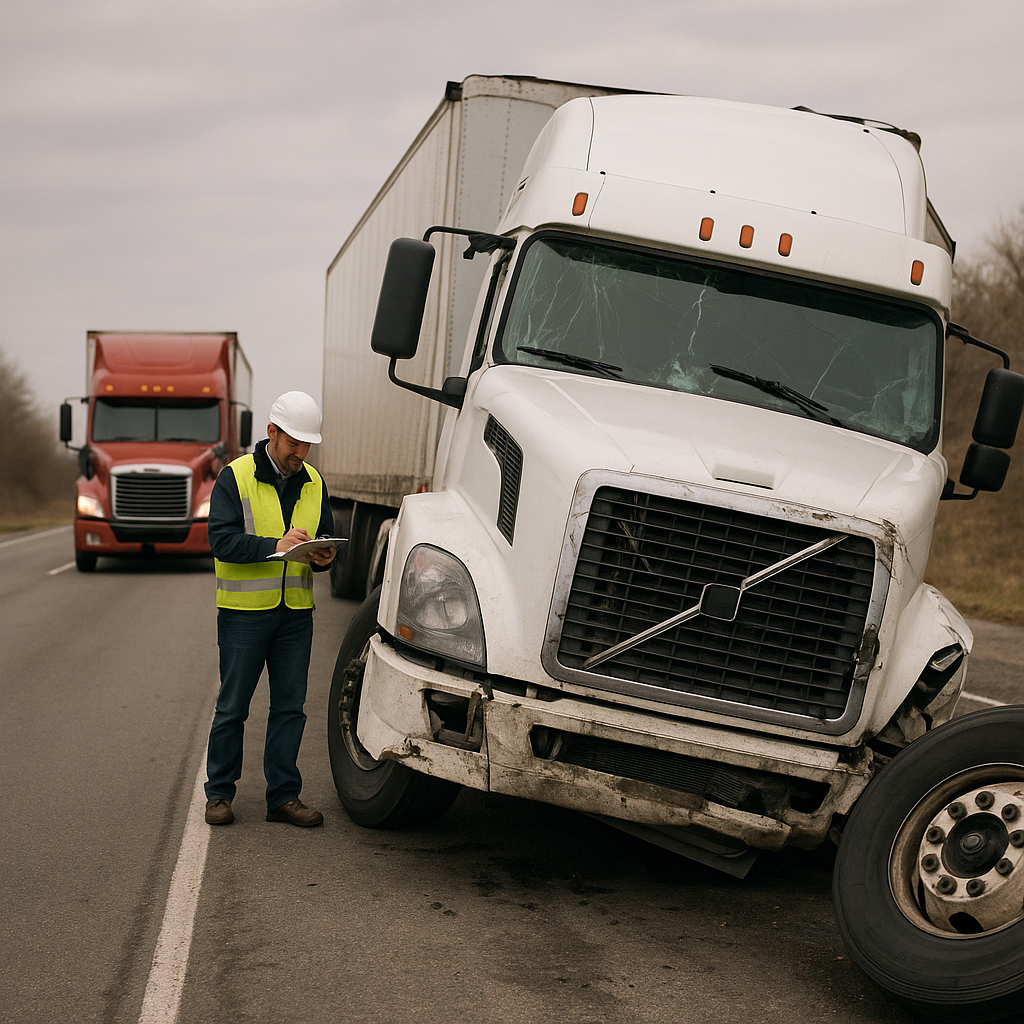
How manufacturers can be liable in truck accidents When a serious truck crash happens, fault doesn’t always stop with the driver or trucking company. In some cases, the manufacturer may share responsibility—especially when a defect or safety failure contributes to the wreck. This is where truck manufacturer liability accident claims often come into play.
Introduction to fault and responsibility in truck accidents
Truck collisions are often investigated with the assumption that driver error or company practices played the main role. However, commercial trucks are complex machines, and mechanical failures or unsafe design choices can contribute to a crash. In those situations, questions may arise about whether a manufacturer’s decisions—such as design, production, or safety warnings—helped create an unreasonable risk.
How fault is typically evaluated in this type of situation
Fault is generally assessed by looking at what happened, why it happened, and whether a party failed to meet an applicable safety duty. With manufacturer-related claims, the focus commonly turns to whether the truck or a component was defective, and whether that defect was a substantial factor in the incident.
Key factors that influence who may be responsible
Investigations often examine:
– Whether a part failed under normal use (for example, brakes, tires/wheels, steering/suspension, or electrical/lighting)
– Whether the design was unsafe even if built as intended (such as instability increasing rollover risk, inadequate underride protection, or overheating under expected loads)
– Whether a manufacturing error affected a specific vehicle or batch (substandard materials, assembly mistakes, or quality-control lapses)
– Whether warnings or instructions were inadequate (unclear maintenance guidance, missing hazard warnings, or delayed recalls/safety bulletins)
How different parties can share or shift liability
Responsibility may involve multiple parties at once, including the driver, the trucking company, a maintenance provider, a parts supplier, or the manufacturer. A case may also turn on whether maintenance was performed correctly, whether the truck was altered after purchase, or whether a known issue was addressed promptly.
How evidence is used to determine fault
Evidence in a truck manufacturer liability accident investigation commonly includes maintenance and inspection records, black box/ECM data, post-crash inspections by qualified experts, recall history and prior complaints, and documentation preserving the chain of custody for any suspect parts.
Common complications in determining liability
Complications can include damaged or missing components, delayed inspections, multiple potential failure points, or disagreements between experts about whether a defect existed before the crash. The truck’s service history and any modifications may also affect the analysis.
General awareness of how fault can impact outcomes and next steps
Who is found responsible can influence which insurance policies apply, how damages are allocated, and whether broader safety concerns—such as defects affecting many vehicles—are identified and corrected.
Closing informational summary (neutral and balanced)
Manufacturer involvement is one possible piece of a larger liability picture in truck crashes. When a defect, unsafe design, or inadequate warning may have contributed, investigators typically rely on technical evidence and expert review to evaluate fault alongside other contributing factors.