
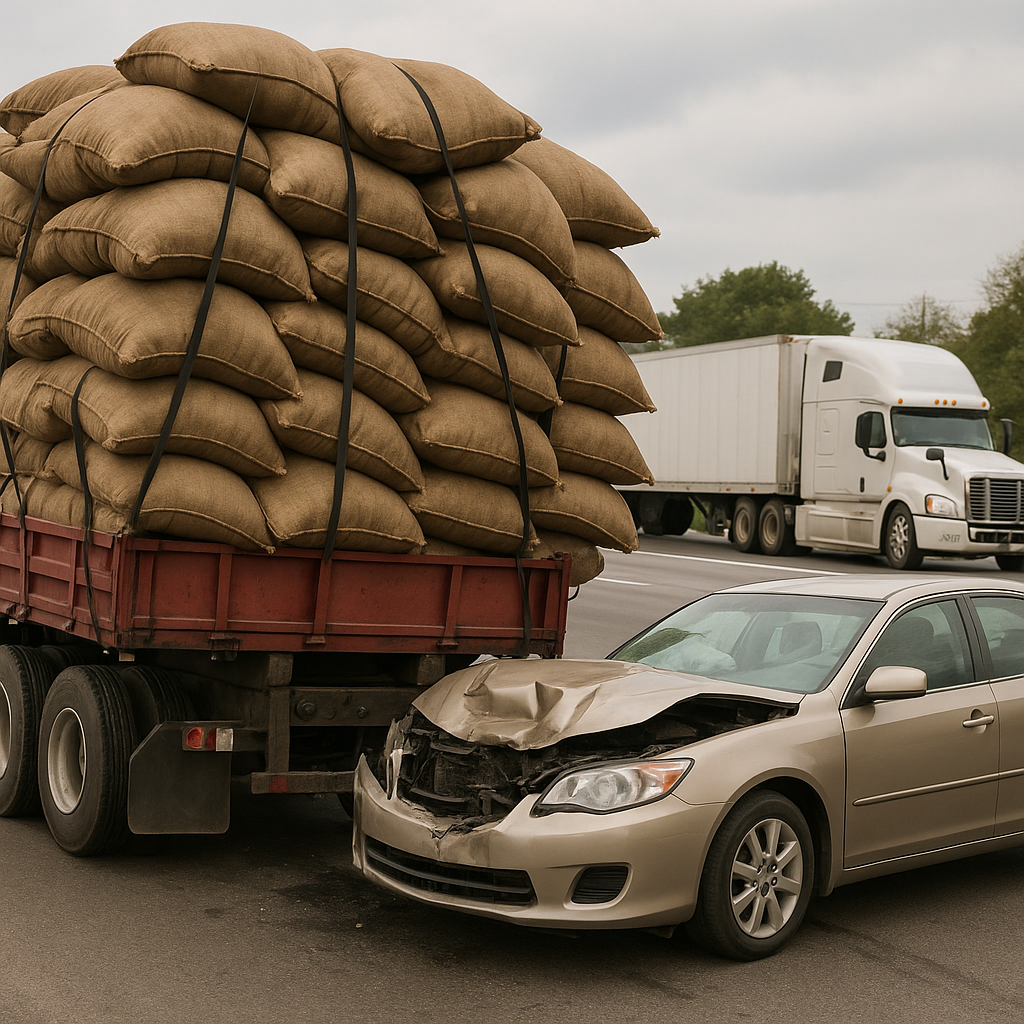
What happens if a truck is overloaded and causes an accident
Introduction to fault and responsibility in truck accidents
An overloaded truck liability accident can raise questions that go beyond what happened at the moment of impact. When a commercial truck exceeds legal weight limits, the added weight may affect braking distance, steering response, stability, and component stress. Because trucking operations involve multiple companies and roles, determining fault often requires looking at who created, approved, or failed to correct the overweight condition—and whether it contributed to the crash.
How fault is typically evaluated in this type of situation
Fault is generally assessed by connecting conduct (or rule violations) to the crash mechanism. Investigators and insurers typically examine whether the truck was overweight, whether that condition was foreseeable and preventable, and whether the overload played a meaningful role in the collision (for example, through brake fade, loss of control, tire failure, or cargo shift).
Key factors that influence who may be responsible
Several practical factors tend to shape liability findings, including:
– Whether weight limits were exceeded and by how much
– The driver’s knowledge, training, and pre-trip inspection practices
– Loading methods, weight distribution, and cargo securement
– Company policies, dispatch pressure, and compliance monitoring
– Equipment condition (brakes, tires, suspension) and maintenance history
– Whether the overload is linked to the specific cause of the crash
How different parties can share or shift liability
In an overloaded truck liability accident, responsibility may be shared among:
– The driver, if they knowingly operated overweight or ignored warning signs
– The motor carrier/trucking company, if supervision, training, scheduling pressure, or compliance failures contributed
– Shippers/loaders/warehouses, if they misdeclared weight, overloaded the trailer, or loaded it unsafely
– Brokers/3PLs (in some cases), depending on their role in carrier selection and safety oversight
– Maintenance providers, if inadequate service combined with overweight stress to cause failure
How evidence is used to determine fault
Evidence often determines whether overloading is provable and relevant. Common sources include scale receipts, weigh station records, bills of lading, load manifests, inspection reports and citations, ELD/GPS data (including routing around weigh stations), crash reconstruction findings, and maintenance documentation. Because some records can be overwritten or lost, timelines and preservation can matter.
Common complications in determining liability
Liability can become complex when paperwork conflicts with actual weight, cargo was shifted after the crash, multiple trailers or transload facilities were involved, or several contributing factors exist (weather, speed, road grade, mechanical condition). Different state rules may also affect how regulatory violations are treated in negligence analyses.
General awareness of how fault can impact outcomes and next steps
How fault is allocated can influence insurance coverage decisions, the scope of potentially responsible parties, and the types of damages that may be pursued—such as medical costs, lost income, property damage, and, in certain situations, punitive damages when conduct is shown to be especially reckless.
Closing informational summary (neutral and balanced)
When a truck is overloaded and a crash occurs, the overload may be central to explaining why the collision happened and who bears responsibility. In many cases, the analysis extends beyond the driver to the carrier and others involved in loading, dispatch, and maintenance. Outcomes typically depend on clear evidence of overweight conditions and a credible connection between the overload and the crash.