
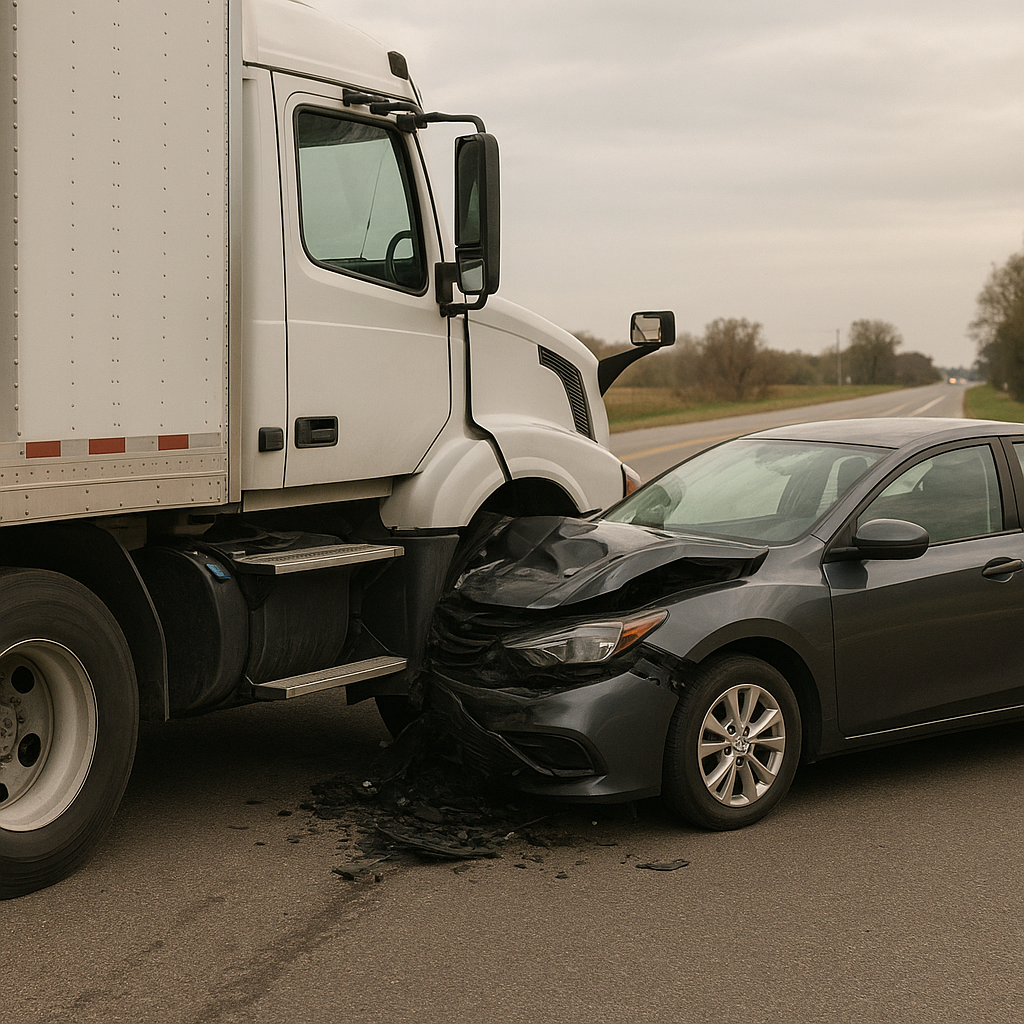
What is causation in truck accident liability cases – Causation truck accident liability: The legal link that proves a driver, trucking company, or another party’s actions directly led to the crash and resulting damages.
Introduction to fault and responsibility in truck accidents
In truck accident claims, “fault” generally refers to who acted negligently or violated a duty of care, while “responsibility” concerns whether that conduct legally supports liability for damages. A key part of that analysis is causation truck accident liability, meaning the connection between someone’s actions (or failures to act) and the collision, as well as the injuries or property loss that followed.
How fault is typically evaluated in this type of situation
Fault is commonly evaluated by identifying what happened, which rules or standards applied, and whether a person or company fell short of those standards. Causation then asks whether that shortfall actually contributed to the crash and whether the resulting harm was a foreseeable outcome of the conduct.
Key factors that influence who may be responsible
Several elements can affect liability assessments, including:
– Driver behavior (speed, fatigue, distraction, impairment, or unsafe maneuvers)
– Compliance with trucking regulations (hours-of-service, inspections, load securement)
– Vehicle condition (brakes, tires, lighting, maintenance history)
– Road and weather conditions and how parties responded to them
– Actions of other motorists, pedestrians, or third parties
How different parties can share or shift liability
Truck accidents often involve multiple potential defendants. Depending on the facts, liability may be shared among a truck driver, the trucking company, a maintenance contractor, a cargo loader, a parts manufacturer, or another driver. Legal doctrines and contract relationships (employment status, leasing arrangements, and agency) can influence how responsibility is allocated without automatically removing a driver’s role in the events.
How evidence is used to determine fault
Evidence helps establish what occurred and whether causation truck accident liability can be proven. Common sources include police reports, witness statements, dashcam or surveillance video, crash-scene measurements, electronic logging device (ELD) data, “black box” event data recorders, inspection and maintenance records, cargo documents, and phone or GPS records. Expert analysis may be used to connect the sequence of events to specific actions or mechanical issues.
Common complications in determining liability
Disputes often arise over conflicting accounts, incomplete records, unclear road conditions, or multiple contributing factors. Another frequent issue is separating what caused the crash from what caused particular injuries or financial losses, especially when pre-existing conditions or prior vehicle damage are involved.
General awareness of how fault can impact outcomes and next steps
Fault findings can affect insurance coverage, settlement discussions, and whether damages are reduced under comparative or contributory fault rules (which vary by jurisdiction). Because timing and evidence preservation matter, parties often focus early on documenting the scene and securing records.
Closing informational summary (neutral and balanced)
Causation in truck accident cases is the legal bridge between conduct and consequences. Establishing causation truck accident liability typically requires showing both how an action contributed to the crash and how the crash led to specific damages. Since trucking collisions can involve overlapping responsibilities, liability is often determined through careful review of regulations, records, and objective evidence rather than assumptions.