
Adjusting to Daily Life After Truck Accidents
Experiencing a truck accident can be life-altering, not just emotionally and physically, but also in how daily life unfolds afterward. For those who survive serious injuries, daily routines and relationships may be profoundly affected, calling for significant adjustments and adaptations.
How Life Changes After Serious Truck Injuries
Serious injuries from truck accidents often necessitate a reassessment and restructuring of everyday life. Recovery can be lengthy, and even after medical issues are addressed, lingering effects might alter one’s routine and sense of normalcy. Here, we explore how life can change post-accident.
Common Adjustments People Face
Post-accident life is about managing a new reality that includes both visible and invisible scars. Understanding and facing these adjustments is crucial for moving forward.
Changes to Daily Routines
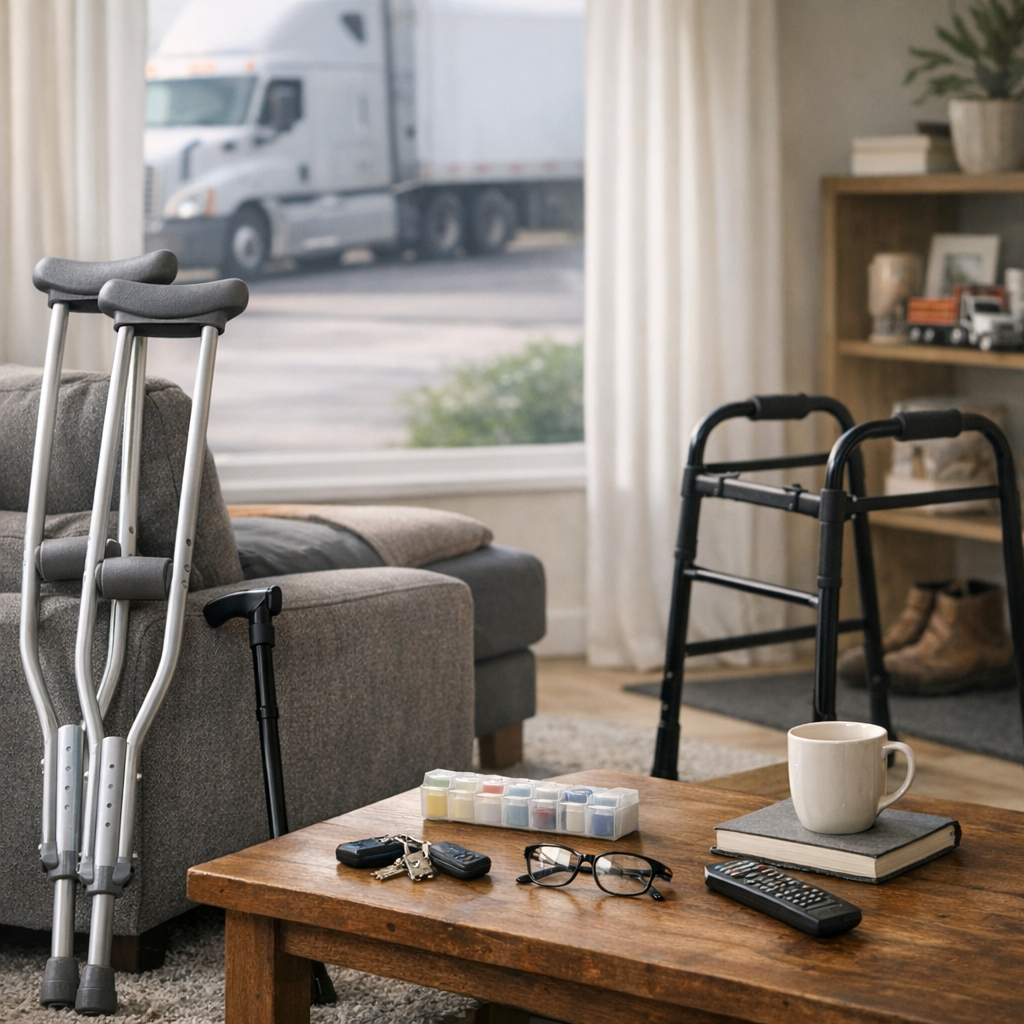
Physical limitations, such as reduced mobility or chronic pain, may impact daily activities. Tasks once taken for granted can become arduous. For instance, preparing meals, doing household chores, or even personal grooming might require more time and effort. Depending on the injuries, mobility aids or assistive devices could become essential, adding another layer of adjustment.
Professional life often faces disruption as well. Individuals may find themselves needing to alter their work environment, shift to part-time schedules, or explore entirely new career paths if returning to their previous jobs is no longer feasible.
Impact on Relationships and Independence
Relationships often undergo stress after a significant injury. The dynamics may shift as family members or partners assume caregiving roles. This can sometimes lead to dependency, which might be challenging for those who valued their independence.
Communication becomes crucial as roles and responsibilities within relationships evolve. Emotional support and patience from loved ones play a critical role in navigating these changes, fostering understanding and acceptance of new life circumstances.
Long-term Lifestyle Adaptations
As the initial phase of recovery gives way to long-term adaptation, individuals may need to embrace changes that significantly alter their way of living. Establishing a routine that accommodates new physical and mental needs is paramount.
Adapting one’s living environment to be more accessible, such as installing ramps or modifying vehicles for ease of use, can greatly assist in maintaining a sense of autonomy. Engaging in rehabilitation programs or pursuing new hobbies aligned with current capabilities may also bring fulfillment and resilience.
Emotional and Practical Adjustments
Emotionally, the impact of such a traumatic event can be profound. Anxiety, depression, or post-traumatic stress disorder (PTSD) might emerge, requiring attention and care. Professional therapy or support groups offer safe spaces for expressing emotions and developing coping strategies.
Practically, developing a network that includes healthcare providers, rehabilitation specialists, and possibly legal advisors (for matters not related to seeking counsel) ensures that the necessary resources and assistance are readily available. Continuously refining life strategies to meet evolving needs is essential for embracing this new chapter.
Conclusion
Adjusting to life after a truck accident demands resilience, patience, and the willingness to adapt. While the journey can be challenging, it is also a pathway to discovering new forms of strength and finding purpose in modified circumstances. Recognizing the profound impact such experiences may have, and giving due respect to each individual’s process, can foster a nurturing environment attuned to healing and growth. With time, patience, and support, many individuals find meaningful ways to redefine their daily lives and regain a sense of equilibrium.