
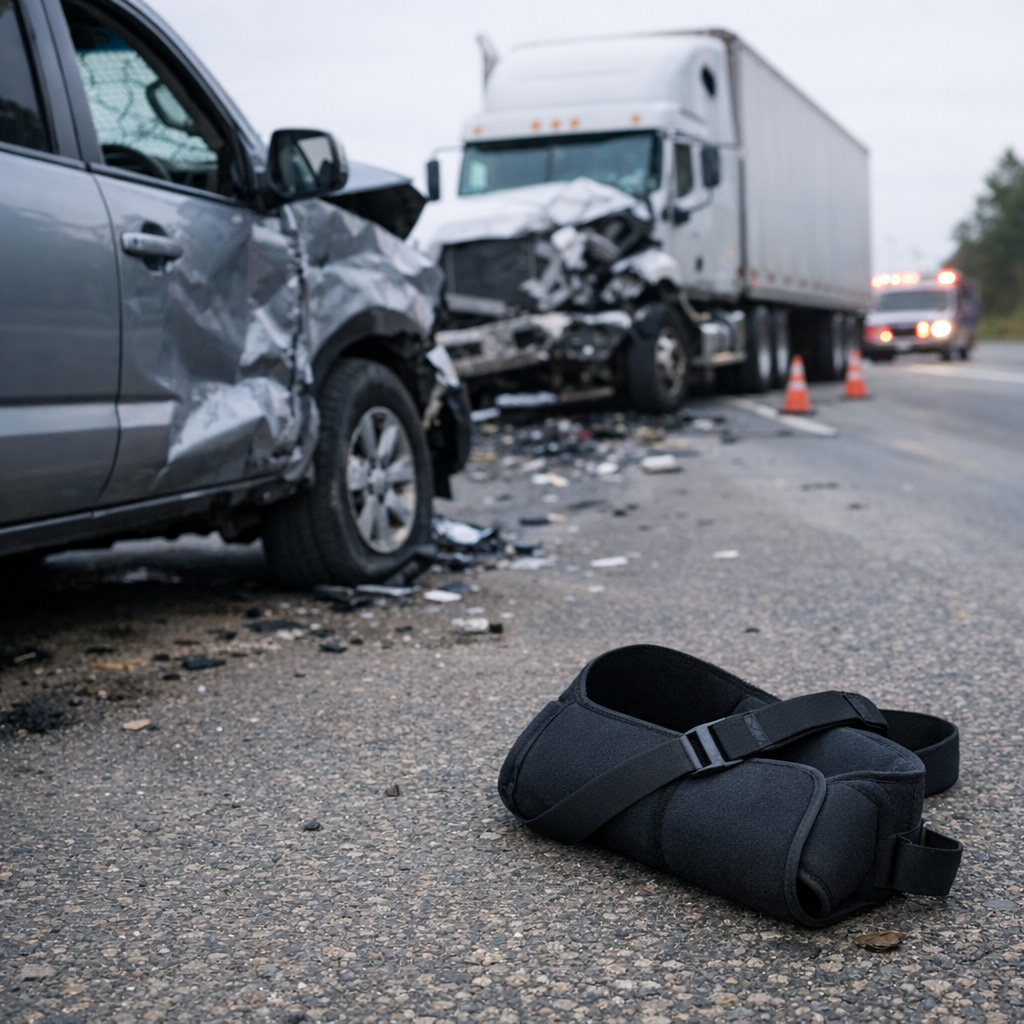
Arm Injury Truck Accidents: Causes and Prevention
Overview of the Injury
Arm injuries sustained in truck accidents can range from mild sprains to severe fractures. These injuries are particularly concerning due to their potential impact on a person’s ability to carry out daily activities. Understanding the causes and prevention of such injuries is crucial for promoting safety on the road.
How This Injury Commonly Occurs in Truck Accidents
Truck accidents can involve significant force due to the size and weight of the vehicles. This force often results in arm injuries when occupants brace for impact or when airbags deploy. In some cases, drivers or passengers may be ejected from the vehicle, leading to further trauma.
Typical Symptoms and Physical Effects
Arm injuries from truck accidents can manifest in several ways. Common symptoms include:
– Pain and tenderness
– Swelling and bruising
– Limited range of motion
– Numbness or tingling
These symptoms may vary based on the specific type of injury, such as fractures, dislocations, or nerve damage.
How the Injury Affects Daily Activities
The impact of an arm injury on daily life can be profound. Tasks that require upper body movement, such as driving, typing, or lifting objects, become challenging. In severe cases, people may struggle with personal care activities, such as dressing or bathing, impacting overall quality of life.
Variations in Severity
Arm injuries can vary significantly in severity. A minor sprain might heal with rest and rehabilitation, while a compound fracture could require extensive medical treatment. Soft tissue injuries might resolve quicker than bone fractures, which can be more complex and take longer to heal.
Factors That Influence Recovery
Several factors can influence the recovery process for arm injuries sustained in truck accidents:
– Age and overall health: Younger individuals or those in good health often recover more quickly.
– Type of injury: Certain injuries, like nerve damage, may require specialized treatment and longer recovery times.
– Timeliness of treatment: Prompt medical attention can significantly affect recovery outcomes.
– Adherence to rehabilitation: Following prescribed physical therapy or exercise routines can improve mobility and strength.
Prevention of Arm Injuries in Truck Accidents
Preventing arm injuries in truck accidents involves several proactive measures:
– Proper Seatbelt Use: Ensuring that seatbelts are worn correctly can minimize the risk of being thrown around within the vehicle.
– Vehicle Maintenance: Regular maintenance checks can prevent mechanical failures that might lead to accidents.
– Driver Training: Proper training and awareness can reduce the likelihood of driver error, which is a common cause of accidents.
– Advanced Safety Features: Utilizing vehicles equipped with modern safety features like airbags and anti-lock brakes can offer additional protection.
In conclusion, understanding the dynamics of arm injuries in truck accidents helps illuminate both the causes and necessary preventive measures. These insights contribute to safer driving practices and minimize the risks associated with these significant vehicles on the road. Maintaining a focus on safety can ultimately protect both truck drivers and those sharing the road with them.