
Can a cargo company be liable for a truck accident
Introduction to fault and responsibility in truck accidents
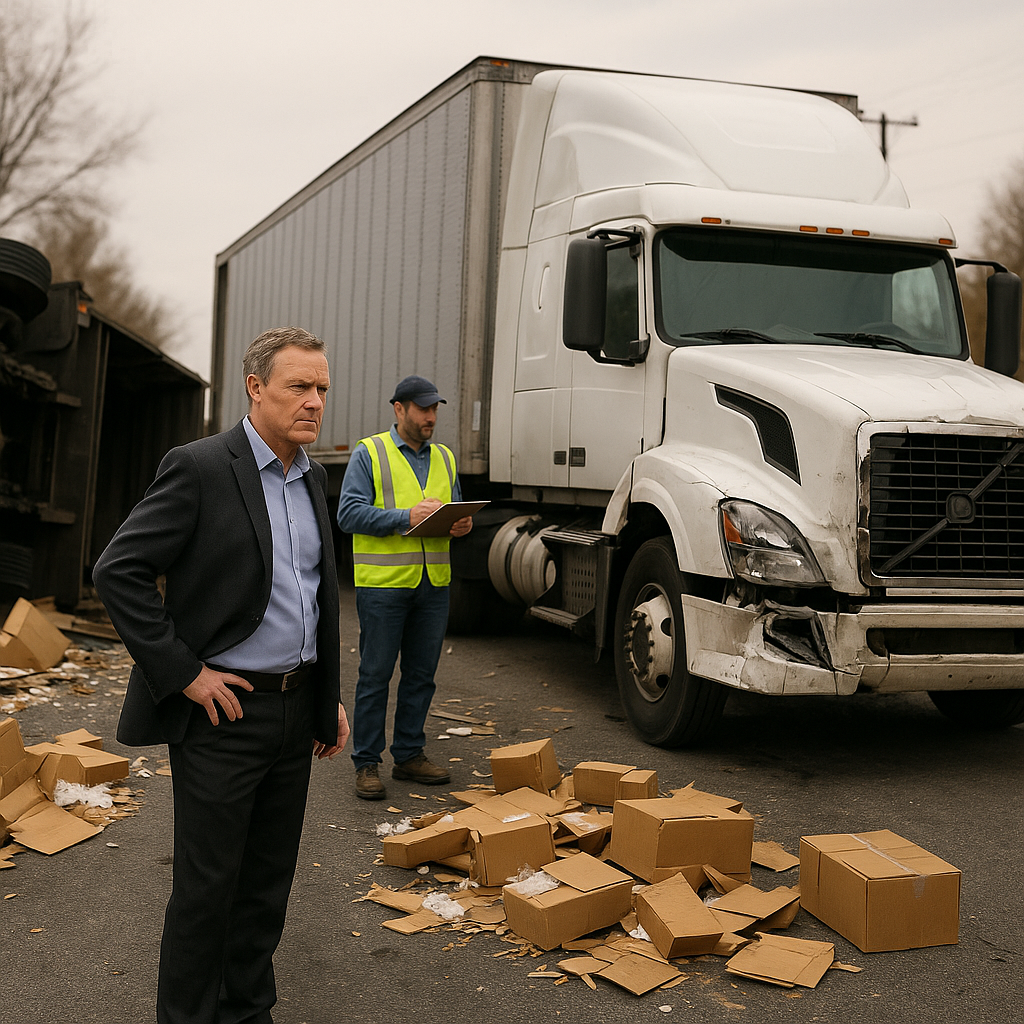
Truck accidents often involve more than one potential source of fault. While driver conduct is commonly examined first, cargo company liability in a truck accident may also be considered when the way freight was loaded, secured, documented, or communicated contributed to unsafe driving conditions. Because multiple entities can touch a shipment before it reaches the road, responsibility may extend beyond the person behind the wheel.
How fault is typically evaluated in this type of situation
Fault is generally assessed by looking at whether a party had a duty to act safely, whether that duty was breached, and whether the breach contributed to the crash. In cargo-related cases, the focus is often on loading and securement decisions, compliance with safety rules, and whether problems were reasonably preventable.
Key factors that influence who may be responsible
Determining cargo company liability truck accident claims often depends on:
– Who loaded the trailer (driver/carrier vs. shipper, warehouse, or third-party loading team)
– Who controlled securement and final checks at departure
– Weight and distribution practices, including overloading and balance
– Cargo securement quality, including straps, chains, and tie-down methods
– Hazardous materials labeling and disclosure, if applicable
– Whether the cargo issue contributed to loss of control, longer stopping distance, or cargo shifts/spills
How different parties can share or shift liability
Responsibility may be shared among the driver, motor carrier, shipper/cargo company, broker, or maintenance providers. For example, a driver may be expected to perform inspections, while a loader may be responsible for correct distribution and securement. In some situations, contracts and industry practices help clarify roles, but they do not automatically override safety obligations.
How evidence is used to determine fault
Evidence typically includes bills of lading, loading logs, weight tickets, seal records, photographs, surveillance footage from docks, inspection reports, and any hazmat paperwork. Investigators may also review vehicle data, driver inspection notes, and post-crash cargo positions to evaluate whether a loading or securement problem existed and whether it likely affected handling.
Common complications in determining liability
Cargo cases can be complex because freight may be loaded by one company, transported by another, and brokered by a third. Documentation may be incomplete, and responsibility can vary depending on who had access to the trailer and when. Another key issue is causation—whether the cargo condition actually contributed to the collision versus being incidental.
General awareness of how fault can impact outcomes and next steps
How fault is allocated can influence insurance coverage questions, claims handling, and what information parties prioritize collecting early. It can also affect whether multiple insurers or corporate entities become involved in the review.
Closing informational summary (neutral and balanced)
Yes, a cargo company can potentially be liable in a truck accident when its loading, securement, labeling, or related decisions helped create unsafe conditions. However, liability is fact-specific and often depends on control, documentation, regulatory compliance, and whether the cargo-related issue contributed to the crash.