
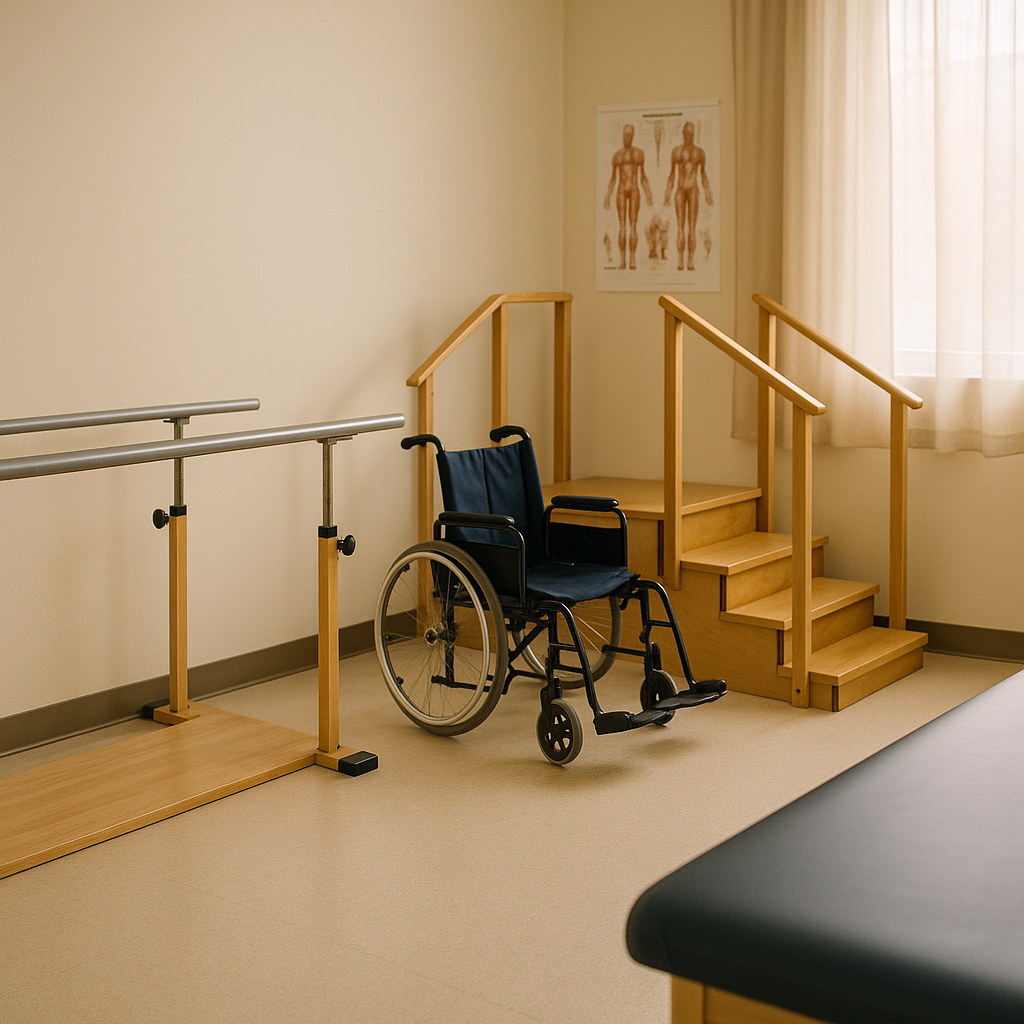
Permanent Injury Rehab: Unlocking New Paths to Recovery
Overview of the Treatment or Rehabilitation Approach
Permanent injury rehabilitation is a specialized field focused on helping individuals regain functionality and improve their quality of life following severe injuries. Specifically tailored for those dealing with long-term or lifelong impairments, this rehabilitation process aims to address both physical limitations and psychological impacts.
Injuries resulting in permanent damage often require a multifaceted approach that combines various therapeutic disciplines. It is not just about physical healing; it is about retraining the mind and body to cope with new limitations. This comprehensive approach includes physical therapy, occupational therapy, psychological support, and sometimes, cutting-edge interventions like robotic-assisted therapy or virtual reality simulations.
The primary goal is to enhance the individual’s ability to perform daily activities independently, manage pain, and adapt to lifestyle changes. By using a personalized plan that addresses specific needs, this rehabilitation process empowers individuals to lead fulfilling lives despite their injuries.
When This Treatment Is Commonly Used After Truck Injuries
Truck injuries can result in significant and often catastrophic damage due to the size and power of these vehicles. They are more likely to cause permanent injuries, such as spinal cord injuries, traumatic brain injuries, or severe orthopedic trauma. Consequently, truck accidents represent a common scenario where permanent injury rehabilitation is applied.
Due to the severe nature of these injuries, rehabilitation efforts are typically initiated during the acute phase of care, often while the patient is still hospitalized. Early intervention is crucial, as it sets the foundation for long-term recovery and adaptation. As the individual progresses beyond acute care, they transition into more intensive, long-term rehabilitation programs.
What the Treatment Process Involves
The treatment process for permanent injury rehabilitation is highly individualized, as it needs to address the unique challenges faced by each patient. It usually involves several core components:
1. Assessment and Goal Setting: Specialists conduct a thorough assessment to understand the extent of the injury and its impact on the patient’s life. Goals are collaboratively set with the patient, focusing on maximizing independence and quality of life.
2. Physical Therapy: This component aims to improve mobility, strength, and endurance. Techniques may include targeted exercises, stretching routines, and the use of assistive devices. Therapists work closely with patients to ensure exercises are effective and safe.
3. Occupational Therapy: This therapy focuses on helping individuals perform daily tasks and improve motor skills affected by the injury. It may include adapting environments, learning alternative ways to perform tasks, and using specialized equipment.
4. Psychological Support: Emotional and psychological resilience is crucial for recovery. Therapy sessions help patients cope with changes in self-image, encourage adaptive strategies, and provide support for any mental health issues such as PTSD or depression.
5. Innovative Therapies: Emerging technologies like robotic exoskeletons or virtual reality simulations may be incorporated to enhance rehabilitation outcomes. These technologies offer new ways to engage patients and encourage neural recovery or adaptation.
Recovery Expectations and Timelines
The recovery journey for individuals involved in permanent injury rehab is often long and can vary greatly between patients. Initial recovery phases may see rapid changes, but over time, progress may become more gradual.
Short-term Expectations: In the initial months following injury, patients often focus on managing pain, preventing complications from immobility, and beginning basic functional training.
Long-term Expectations: As rehabilitation progresses, goals shift towards optimizing function, increasing independence, and developing new skills. The long-term nature of this rehabilitation means improvements might be seen over several years.
Timelines: While some individuals may achieve significant milestones within a year, others may continue to benefit from rehabilitation for much longer. Progress depends on factors such as the nature of the injury, individual resilience, and access to resources.
Variations in Treatment Plans
Factors That Influence Recovery Progress
Several factors can influence the effectiveness and pace of rehabilitation, resulting in variations in treatment plans:
– Severity of the Injury: The initial severity and complexity of an injury play a significant role in determining recovery timelines and necessary interventions.
– Patient Motivation and Engagement: Active participation in the rehabilitation process can significantly impact outcomes. Motivated patients are often more likely to adhere to therapy regimens and achieve better results.
– Support Systems: Family, friends, and community support are crucial. A strong support network can enhance emotional well-being and provide practical assistance, positively influencing recovery.
– Access to Multidisciplinary Care: The availability of comprehensive, multidisciplinary care can increase the likelihood of successful rehabilitation, as different specialists work together to address all facets of the injury.
Closing Section
Permanent injury rehabilitation represents a dynamic and evolving field, integral in aiding individuals affected by severe, life-changing injuries such as those sustained in truck accidents. Through a combination of physical, occupational, psychological, and innovative therapies, patients can achieve significant improvements in their daily lives. While the journey to recovery is unique to each individual, a holistic, patient-centered approach in rehabilitation can unlock new paths to a fulfilling future. The adaptability of rehab programs ensures that all aspects of a patient’s recovery are addressed, paving the way for renewed independence and improved quality of life.