
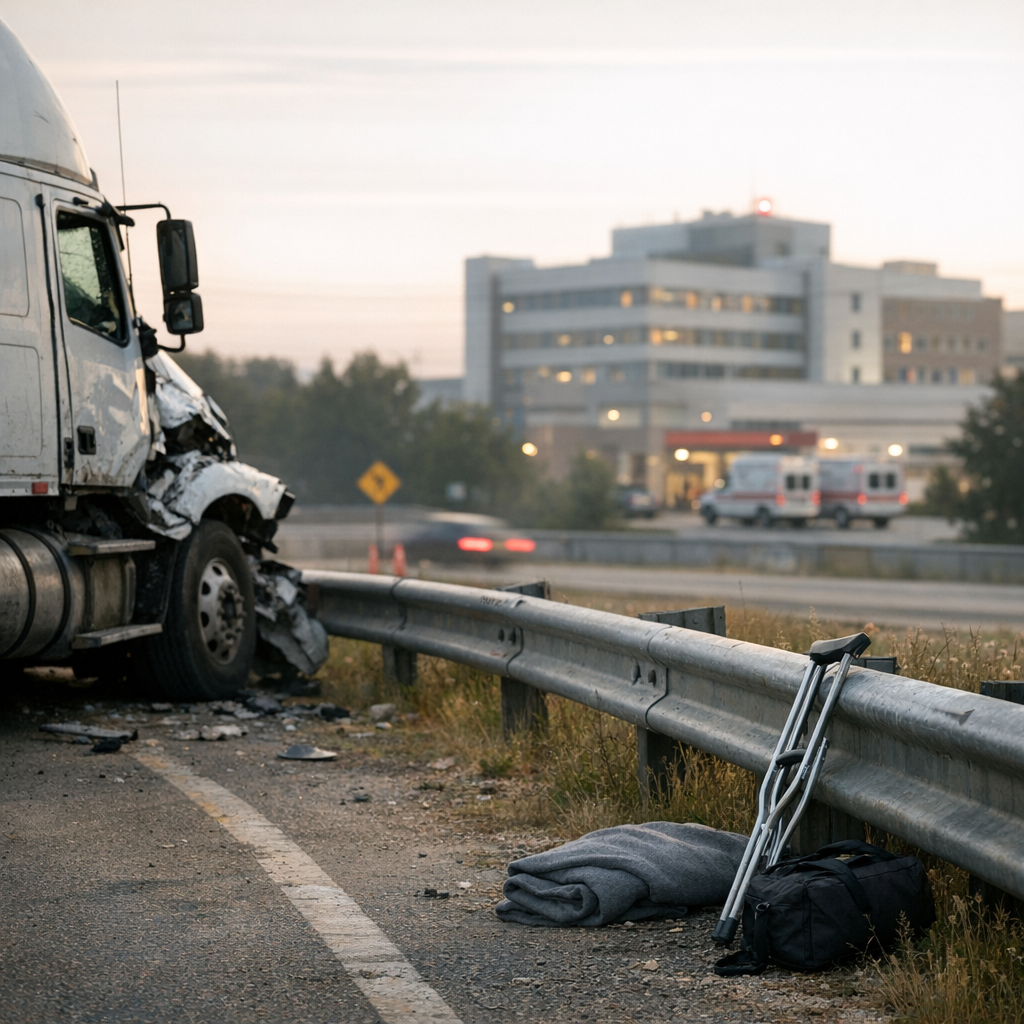
Delayed Recovery After Truck Accident Injuries
Truck accidents can lead to significant, life-altering injuries. While some people may recover swiftly, delayed recovery is a common concern for many. Understanding the nuances of long-term healing can provide insights into the challenges and processes involved.
What Long-term Recovery Means After a Truck Accident
Long-term recovery refers to the extended period of healing and rehabilitation that may follow severe injuries from a truck accident. This phase can encompass physical, emotional, and psychological aspects that unfold over months or even years. Long-term recovery is not merely about healing visible injuries; it involves a comprehensive process of resuming a quality life.
Common Challenges During Extended Recovery
The road to recovery after a truck accident can be fraught with obstacles. These challenges can be physical, emotional, and logistical, each requiring careful attention and management.
Physical Recovery Over Time
Delayed physical recovery is often a primary concern. Injuries such as fractures, spinal damage, or traumatic brain injuries can take an extended time to heal. Physical therapy may be necessary to regain movement and strength. Consistency is key, and progress might be incremental. Complications like chronic pain or limited mobility can further lengthen recovery timelines.
Emotional and Mental Recovery Considerations
An often-overlooked aspect of recovery is the emotional and mental healing process. The trauma of an accident can leave deep psychological scars that manifest as anxiety, depression, or post-traumatic stress disorder (PTSD). These conditions require specific interventions and ongoing emotional support. Cognitive behavioral therapy and counseling can play vital roles in addressing these issues, promoting gradual mental well-being.
Setbacks During Recovery
Recovery is rarely linear. Setbacks can occur, such as injuries not healing as expected or complications arising. Managing these setbacks is crucial, requiring adaptability and patience. Open communication with healthcare providers can aid in navigating these challenges effectively.
Managing Expectations Over Months or Years
Expectations play a critical role in long-term recovery. Understanding that recovery timelines can vary widely helps in setting realistic goals. It’s essential to recognize small achievements along the journey, which contributes positively to mental health and motivation. Support networks, including family and peer groups, can provide encouragement and understanding.
A Neutral, Informational Closing Section
Delayed recovery after truck accident injuries is a multifaceted process, blending physical rehabilitation with emotional healing. By acknowledging the complexities and variability in recovery, individuals and their support networks can foster a more compassionate and informed environment. This awareness not only aids in adjusting expectations but also supports a path towards regaining stability and autonomy over time.