
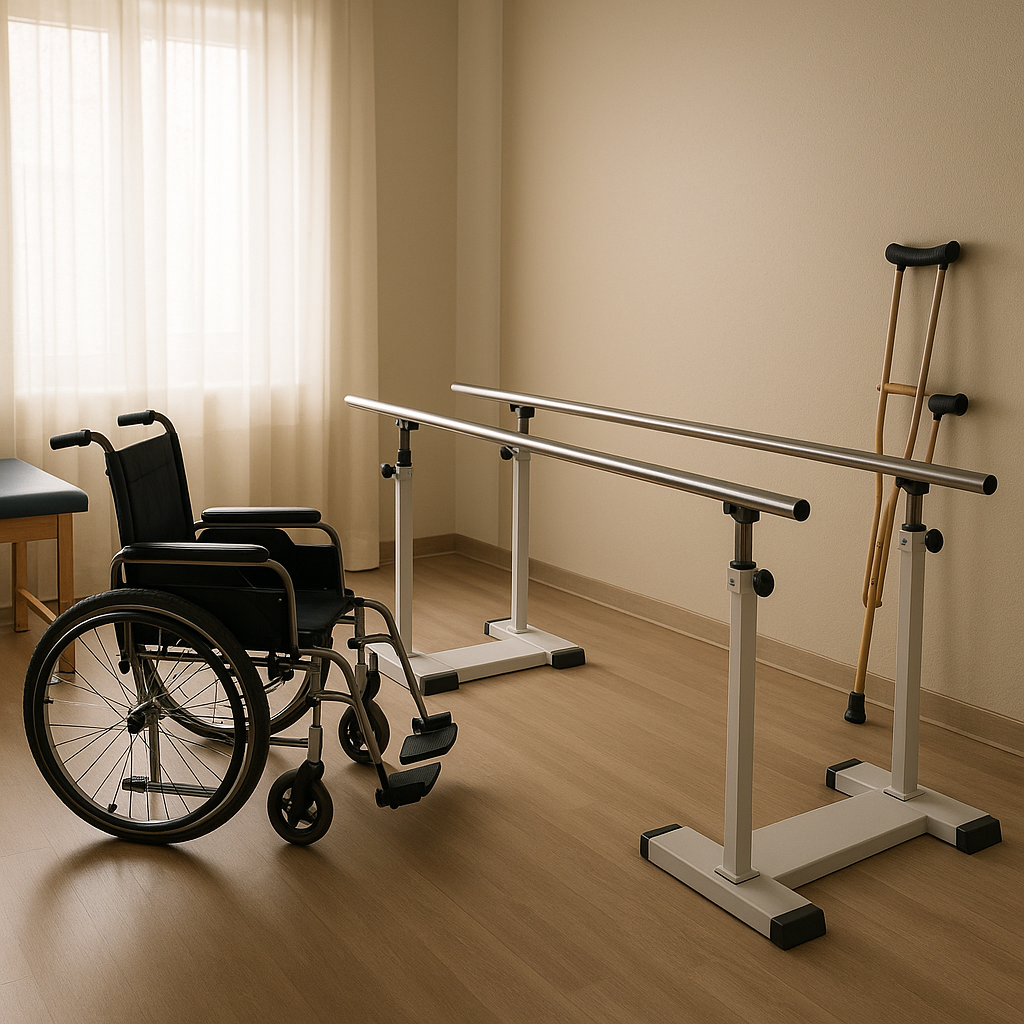
Rehabilitation after Mobility Loss
Injuries from truck accidents can be life-altering, often resulting in significant mobility loss that necessitates a comprehensive rehabilitation process. Mobility loss rehab after such injuries focuses on recovery and adaptation, aiming to restore as much independence and functionality as possible. This article explores the intricacies of rehabilitation following mobility loss, outlining the methodologies, expectations, and influencing factors throughout the recovery journey.
Overview of the Treatment or Rehabilitation Approach
Rehabilitation after mobility loss involves a multifaceted approach designed to help patients regain physical capabilities, improve quality of life, and reintegrate into daily activities. This process typically includes physical therapy, occupational therapy, and sometimes psychological support to address both physical and emotional challenges.
The primary goal is to enhance the patient’s physical function by working on strength, flexibility, balance, and coordination. Rehabilitation specialists, such as physiotherapists and occupational therapists, create individualized plans tailored to the unique needs of each patient, considering the nature and extent of their injuries.
When This Treatment Is Commonly Used After Truck Injuries
Truck accidents often result in severe injuries due to the size and force of the vehicles involved. Common consequences include fractures, spinal cord injuries, and head trauma, each potentially leading to varying degrees of mobility loss. Rehabilitation is commonly employed following:
– Fractures and orthopedic injuries: These may require surgical intervention and extensive physical therapy for recovery.
– Spinal cord injuries: Depending on the level and completeness of the injury, rehabilitation focuses on maximizing remaining function and adaptation techniques.
– Traumatic brain injuries: Such injuries can affect movement, requiring a combination of cognitive and physical rehabilitation strategies.
What the Treatment Process Involves
The rehabilitation process is dynamic and evolves based on the patient’s progress and specific needs. Initial assessments by health professionals determine the scope of injuries, setting the groundwork for a tailored rehabilitation plan.
1. Initial Evaluation:
At the onset, a comprehensive assessment evaluates physical limitations, pain levels, and emotional well-being. This forms the basis for a personalized treatment plan.
2. Physical Therapy:
Focused on restoring movement, physical therapy involves exercises to improve strength, flexibility, and endurance. Techniques may include manual therapy, aquatic exercises, and the use of assistive devices to facilitate mobility.
3. Occupational Therapy:
This aspect of rehabilitation emphasizes the development of skills necessary for daily living and work activities. Therapists work on adaptability strategies, such as using special tools or techniques to perform tasks.
4. Psychological Support:
Addressing the emotional and mental impact of mobility loss is crucial. Support groups, counseling, and mental health therapies help patients cope with the psychological aspects of injury and rehabilitation.
Recovery Expectations and Timelines
Recovery is a gradual process and varies significantly among individuals. The timeline can depend on factors such as the severity of the injury, the patient’s overall health, and their commitment to the rehabilitation program.
– Short-term Recovery:
Initial improvements may be seen within weeks as patients start to build strength and mobility. Pain management is a critical component during this phase.
– Long-term Recovery:
Achieving significant functional recovery can take months to years. This phase focuses on refining skills, increasing independence, and adjusting to life changes resulting from the injury.
Variations in Treatment Plans
Factors that Influence Recovery Progress
Each rehabilitation plan is unique, influenced by a range of factors:
– Age and Overall Health: Younger patients or those in good health may experience quicker recovery, though this is not a strict rule.
– Nature and Extent of Injury: More severe injuries typically require longer and more intensive rehabilitation efforts.
– Patient Motivation and Support: Engagement in the rehabilitation process and having a robust support system can positively impact recovery outcomes.
– Access to Resources: Availability and quality of rehabilitation services can significantly influence the rehabilitation experience.
Informational Closing Section
Rehabilitation after mobility loss is a complex, individualized journey requiring the collaboration of medical professionals, therapists, and the patient’s support network. While the path to recovery can be challenging and lengthy, the objective remains to enhance the patient’s functional abilities and quality of life. Understanding the rehabilitation process helps set realistic expectations and fosters a supportive environment conducive to healing and adaptation.