
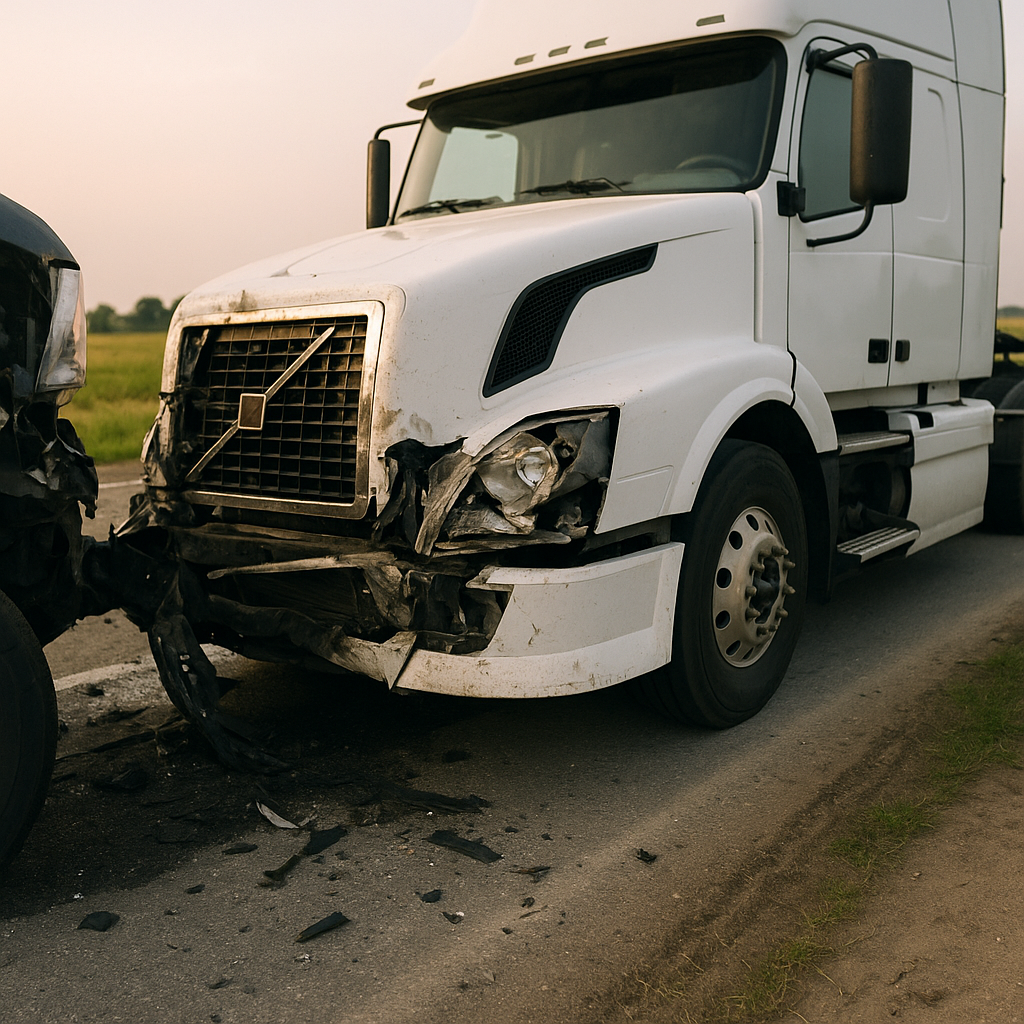
How defective truck parts cause liability
Introduction to fault and responsibility in truck accidents
Defective components can turn a routine commercial trip into a serious crash. In these cases, defective truck parts liability often depends on more than the failed part itself—it may involve the entities that designed, manufactured, distributed, installed, inspected, maintained, or continued using the component after warning signs appeared.
How fault is typically evaluated in this type of situation
Liability assessments generally look at two parallel questions: (1) whether the product was defective when it entered the stream of commerce, and (2) whether human decisions or maintenance practices contributed to the failure or made its effects worse. Failures tied to braking systems, tires and wheels, steering and suspension, coupling devices, or lighting/visibility equipment are commonly examined because they can directly affect control, stopping distance, and road awareness.
Key factors that influence who may be responsible
Investigations typically focus on:
– Defect type: design defect, manufacturing defect, or inadequate warnings/instructions
– Foreseeability and knowledge: recalls, service bulletins, prior incidents, or internal testing
– Maintenance and inspection history: compliance with schedules, documented repairs, and pre-trip/post-trip checks
– Installation and compatibility: correct fitment, torque specifications, and approved replacement parts
– Causation: whether the failure actually contributed to the crash, rather than being incidental damage
How different parties can share or shift liability
Responsibility may be allocated across multiple actors. A manufacturer or distributor may face product liability exposure if the part was unsafe as sold, while a repair shop or fleet may face negligence-based exposure for improper installation, skipped inspections, or ignoring recall notices. In many jurisdictions, outcomes may reflect comparative fault, with responsibility apportioned among parties based on their respective roles.
How evidence is used to determine fault
Defective-part cases often hinge on technical proof. Key evidence may include preserving the failed component, maintenance logs, work orders, recall communications, and vehicle data from ECM/EDR systems. Accident reconstruction and engineering or metallurgical analysis can help determine whether a defect existed, when it developed, and how it relates to the collision sequence.
Common complications in determining liability
Determining fault can be complicated by missing or altered parts, incomplete records, multiple prior repairs, or damage caused by the crash itself. It can also be difficult to separate a true defect from normal wear, misuse, or improper maintenance.
General awareness of how fault can impact outcomes and next steps
Because defective truck parts liability may involve both product and maintenance issues, the parties involved often review preservation steps, reporting obligations, insurance coordination, and regulatory implications (including DOT/FMCSA-related concerns) while the cause is evaluated.
Closing informational summary (neutral and balanced)
When a truck part fails, liability analysis typically centers on defect type, causation, and what each party knew—or should have known—before the incident. Since responsibility can be shared among manufacturers, suppliers, fleets, repair providers, and drivers, clear documentation and technical evidence often play a central role in determining how fault is allocated.