
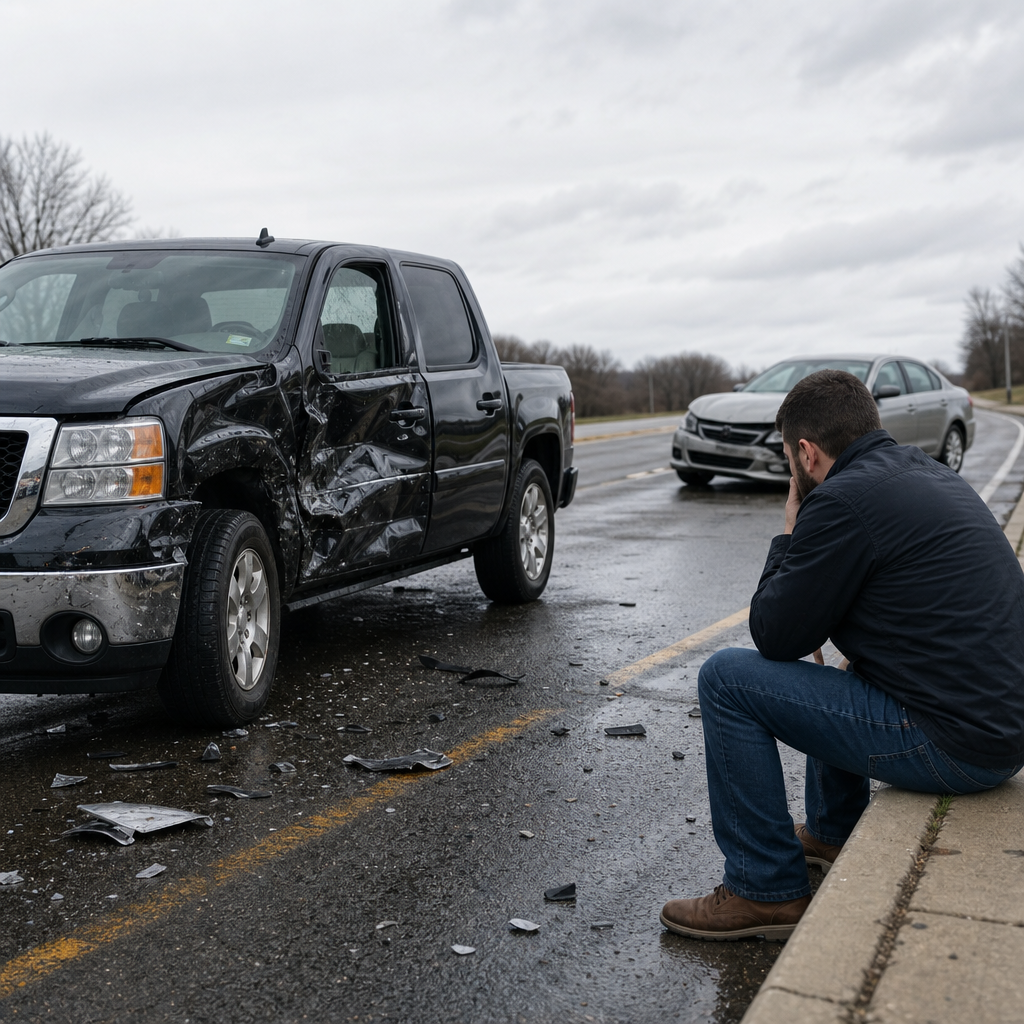
Nobody expects their day to take a turn on the highway. Yet, when a semi truck collides with a smaller vehicle, lives can change in an instant. The scenes range from shaken nerves to catastrophic upheaval, and every experience unfolds uniquely.
The Initial Shock and Confusion
Immediate moments after a semi truck accident carry a jarring sense of confusion. Many recall sitting in still traffic, trying to process why their world suddenly feels upside down. People often find themselves stumbling out of vehicles or sitting stunned behind the wheel, trying to make sense of the metallic chaos around them. Horns might still blare in the distance, and voices blend with the sound of shattering glass.
Emotions swing rapidly, as adrenaline spikes. Some feel disoriented, their ears ringing, vision swimming. Apparent injuries don’t always register right away. Others, untouched physically, grapple with fear and uncertainty as paramedics work nearby and flashing lights fill the landscape.
Range of Physical Effects
Experiences differ wildly, depending on the force of the crash. In less severe impacts, soreness often sets in days later rather than immediately. People describe stiff necks and persistent headaches, along with bruises that reveal their full depth over time. Even minor collisions can lead to weeks with sleep interrupted by aches one never expected.
In major accidents, trauma quickly makes itself known. Victims may feel pain immediately or find themselves unable to move. Some recount being trapped amid twisted metal, conscious of every second as emergency crews labor to extract them. Hospital stays can extend, with broken bones and deeper injuries requiring ongoing care—each step in recovery marked by its own uncertainty.
Psychological and Emotional Aftermath
Regardless of physical severity, nearly everyone touched by these accidents speaks of lingering mental stress. Days stretch on with replayed images and sounds looping through their minds. Simple acts like driving near trucks or returning to a highway can create waves of anxiety.
Long after bruises heal, memories linger. Sleep disturbances and a heightened sense of vulnerability often paint daily life. Some people describe sudden panics in crowded places or a racing heart when hearing sirens, reminders of moments when everything changed in a flash.
Impact on Daily Routines
Disruptions ripple out from the accident scene into every corner of daily life. Activities like walking the dog, running errands, or commuting transform into careful negotiations with pain or fear. Routines fracture, with doctor visits, calls from insurance representatives, and unexpected time away from work becoming common.
Relationships feel the strain as partners and families adjust together. Conversations shift to focus on recovery—physical, emotional, and logistical. People notice fatigue from appointments and new responsibilities, reshaping what once felt familiar.
This page is for general informational purposes only. It does not provide legal advice or direction of any kind.