
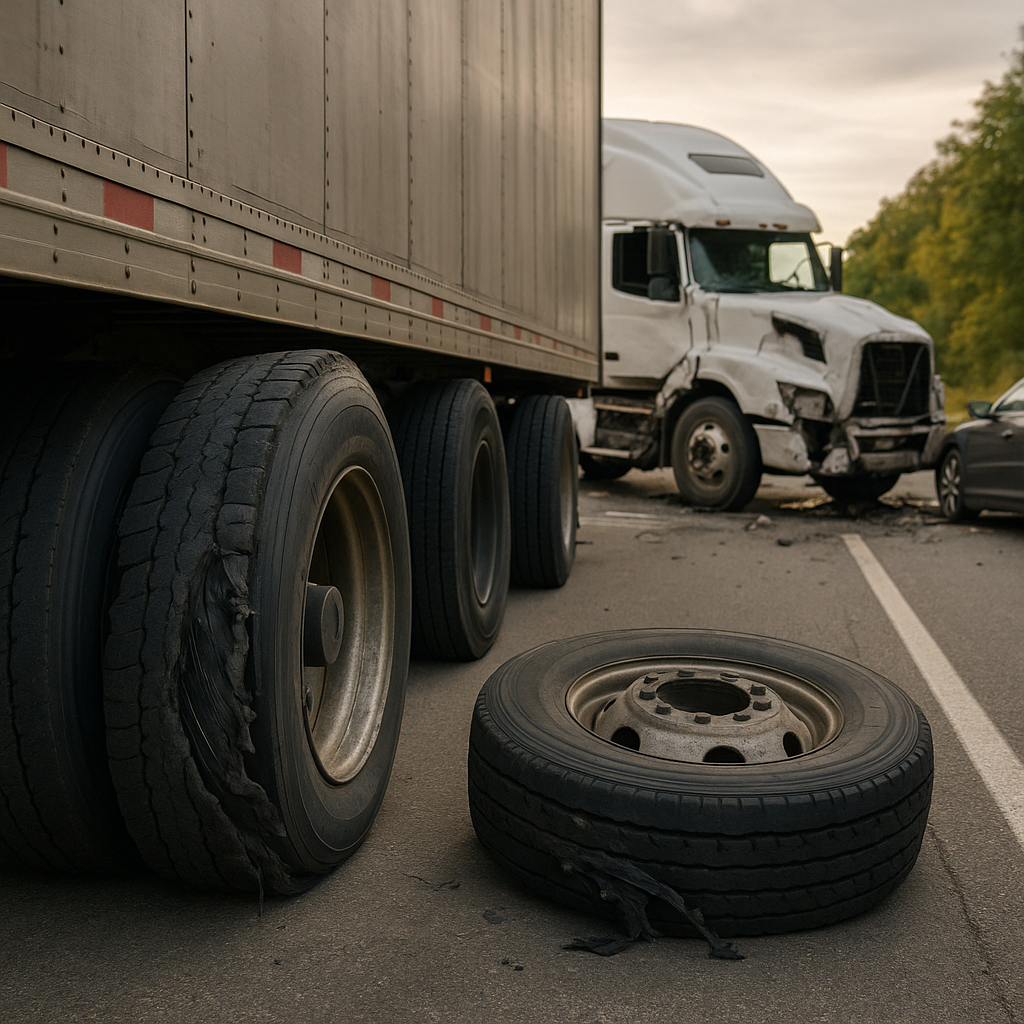
How tire defects contribute to truck accident liability – Tire Defect Truck Accident Liability: Who’s Really Responsible? – Tire Defect Truck Accident Liability Explained: What Victims Should Know – Tire Defect Truck Accident Liability: The Hidden Cause Behind Major Crashes – Tire Defect Truck Accident Liability and Fault: When a Blowout Isn’t “Just an Accident” – Tire Defect Truck Accident Liability: Manufacturer, Fleet, or Driver—Who Pays? – Tire Defect Truck Accident Liability: Common Defects That Lead to Serious Collisions – Tire Defect Truck Accident Liability: How Investigators Prove a Tire Caused the Wreck – Tire Defect Truck Accident Liability: What Evidence Matters Most After a Crash – Tire Defect Truck Accident Liability: Why Maintenance Records Can Make or Break a Case – Tire Defect Truck Accident Liability: What to Do If a Defective Tire Caused Your Crash
Introduction to fault and responsibility in truck accidents
When a commercial truck crash involves a blowout or tread separation, the question often becomes whether it was unavoidable or linked to a preventable defect. Tire defect truck accident liability typically depends on identifying what failed, why it failed, and which party had control over the tire’s design, condition, and use at the time of the wreck. Because trucking involves multiple layers of ownership and responsibility, liability may be shared.
How fault is typically evaluated in this type of situation
Fault is generally assessed by comparing each party’s actions to applicable safety standards, industry practices, and maintenance obligations. Investigators look for whether the tire failure was the primary cause of the crash or one contributing factor among others (speed, loading, road hazards, or driver response).
Key factors that influence who may be responsible
Common considerations include:
– Nature of the defect: manufacturing flaw, design issue, improper materials, or retreading problems
– Tire condition and maintenance: inflation history, wear patterns, prior repairs, and inspection frequency
– Usage factors: overloading, mismatched tires, heat damage, or operating beyond rated limits
– Compliance: adherence to fleet policies and any relevant federal or state inspection requirements
How different parties can share or shift liability
Depending on findings, responsibility may involve:
– Manufacturer or distributor (product defect or inadequate warnings)
– Fleet or motor carrier (maintenance systems, inspection practices, replacement decisions)
– Maintenance contractor (improper mounting, repair, or inspection)
– Driver (pre-trip checks, reporting issues, operation that worsens tire stress)
– Shipper/loader (overweight or uneven loads that increase tire failure risk)
How evidence is used to determine fault
Evidence often includes the preserved tire and wheel assembly, crash scene documentation, onboard data, inspection logs, and expert analysis of the failure mode (e.g., belt separation versus impact damage). Investigators may also review recall information and batch or serial identifiers to trace manufacturing history.
Common complications in determining liability
Tire failure evidence can be lost if the tire is discarded, and damage from the crash can mask the original defect. Multiple contributing causes—like underinflation combined with heavy loads—can also make tire defect truck accident liability harder to isolate.
General awareness of how fault can impact outcomes and next steps
Fault findings may influence insurance decisions, potential claims, and how costs are allocated among parties. Preserving key records—especially maintenance and inspection documentation—often becomes central to clarifying what happened.
Closing informational summary (neutral and balanced)
Tire-related truck crashes are not automatically “no one’s fault.” Determining tire defect truck accident liability usually requires careful examination of product integrity, maintenance history, and operational decisions. Because several parties may play a role, liability assessments tend to be evidence-driven, technical, and shared rather than simple or automatic.