
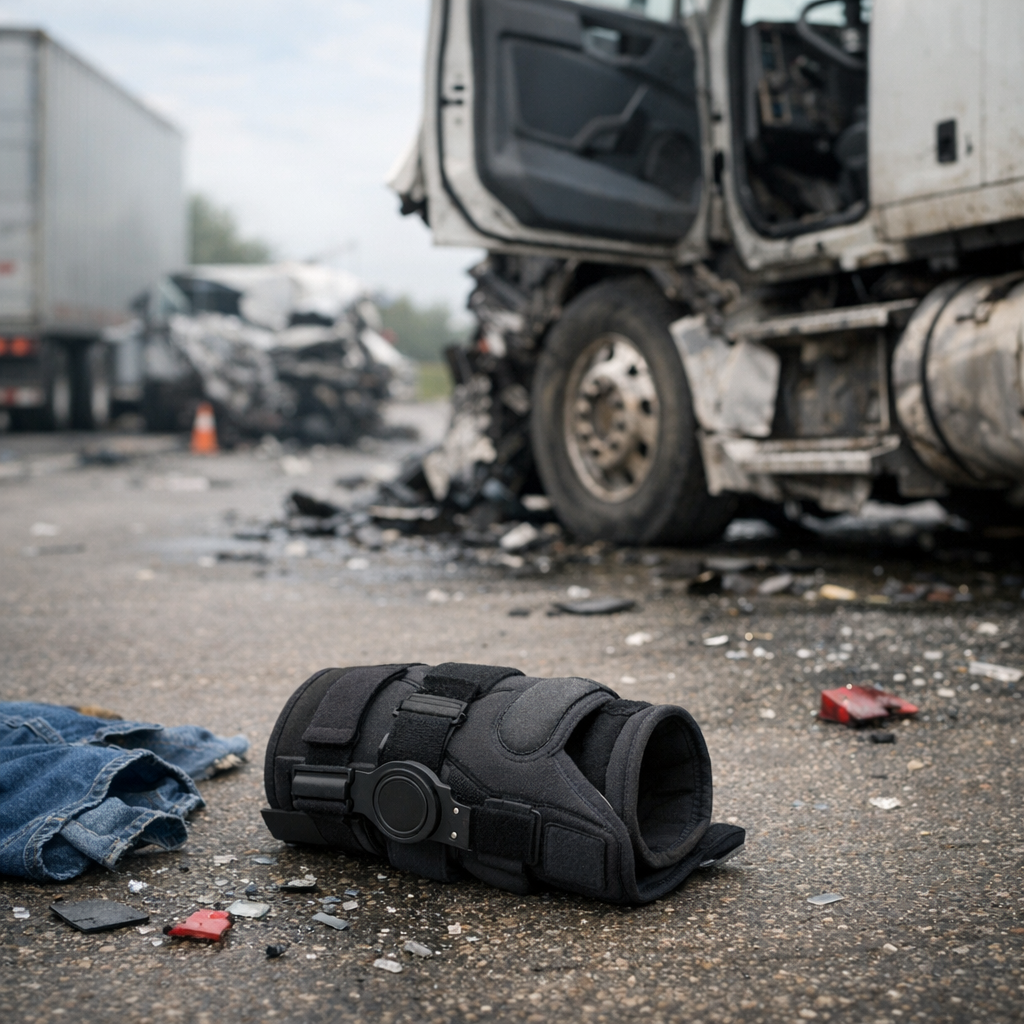
Knee Injuries from Truck Accidents
Overview of the Injury
Knee injuries are a common and concerning outcome following truck accidents. These injuries can range from mild sprains to severe ligament tears or fractures. Given the complex structure of the knee joint, which includes bones, ligaments, tendons, and cartilage, any injury can significantly impact mobility and overall quality of life. Understanding the nature of knee injuries and their implications is crucial for effective management and recovery.
How This Injury Commonly Occurs in Truck Accidents
Knee injuries in truck accidents often result from the forceful impact experienced during collisions. The sheer size and weight of trucks mean that any crash can involve significant forces, which can directly or indirectly harm the knee joint.
Typical Symptoms and Physical Effects
A knee injury from a truck accident can present various symptoms, depending on the specific nature of the injury. Common symptoms include:
– Swelling and Bruising: Usually occur shortly after the accident due to internal bleeding or fluid accumulation around the knee joint.
– Pain: Ranges from mild to severe, often intensified by movement or pressure on the knee.
– Instability: A feeling that the knee might give out while walking or bearing weight.
– Limited Range of Motion: Stiffness and reduced ability to bend or straighten the knee fully.
– Visible Deformity: In cases of fractures or dislocations.
How the Injury Affects Daily Activities
Knee injuries can severely impact daily life. Even minor injuries might require changes in routine, such as using assistive devices or seeking help with tasks like driving, cooking, or climbing stairs. More severe injuries could necessitate long-term lifestyle adjustments, including modifications at home or at work to accommodate limited mobility.
Variations in Severity
Knee injuries can vary significantly in severity:
– Mild Sprains: Often managed with rest and physical therapy, but can still temporarily affect activity levels.
– Moderate to Severe Tears: Such as those involving the anterior cruciate ligament (ACL) or meniscus, may require surgical intervention and lengthy rehabilitation.
– Fractures or Dislocations: Often involve intricate treatment strategies, potentially including surgery and extended immobilization.
Factors that Influence Recovery
Several factors influence recovery from knee injuries sustained in truck accidents:
– Age and Overall Health: Younger individuals or those in good health generally recover more quickly.
– Injury Specifics: The type and extent of injury play a significant role in the recovery timeline.
– Timeliness of Treatment: Early and appropriate medical attention can significantly improve outcomes.
– Rehabilitation Compliance: Adhering to prescribed physical therapy and exercise regimens is crucial for effective recovery.
A Calm, Informational Closing Section
Knee injuries from truck accidents are a serious concern due to their potential impact on mobility and daily life. Understanding the symptoms, effects, and varying severity of these injuries can help individuals manage their condition more effectively. Recovery is influenced by several factors, including health, treatment timeliness, and rehabilitation efforts. Recognizing the complexity of knee injuries underscores the need for informed and attentive care to support physical recovery and a return to normalcy.