
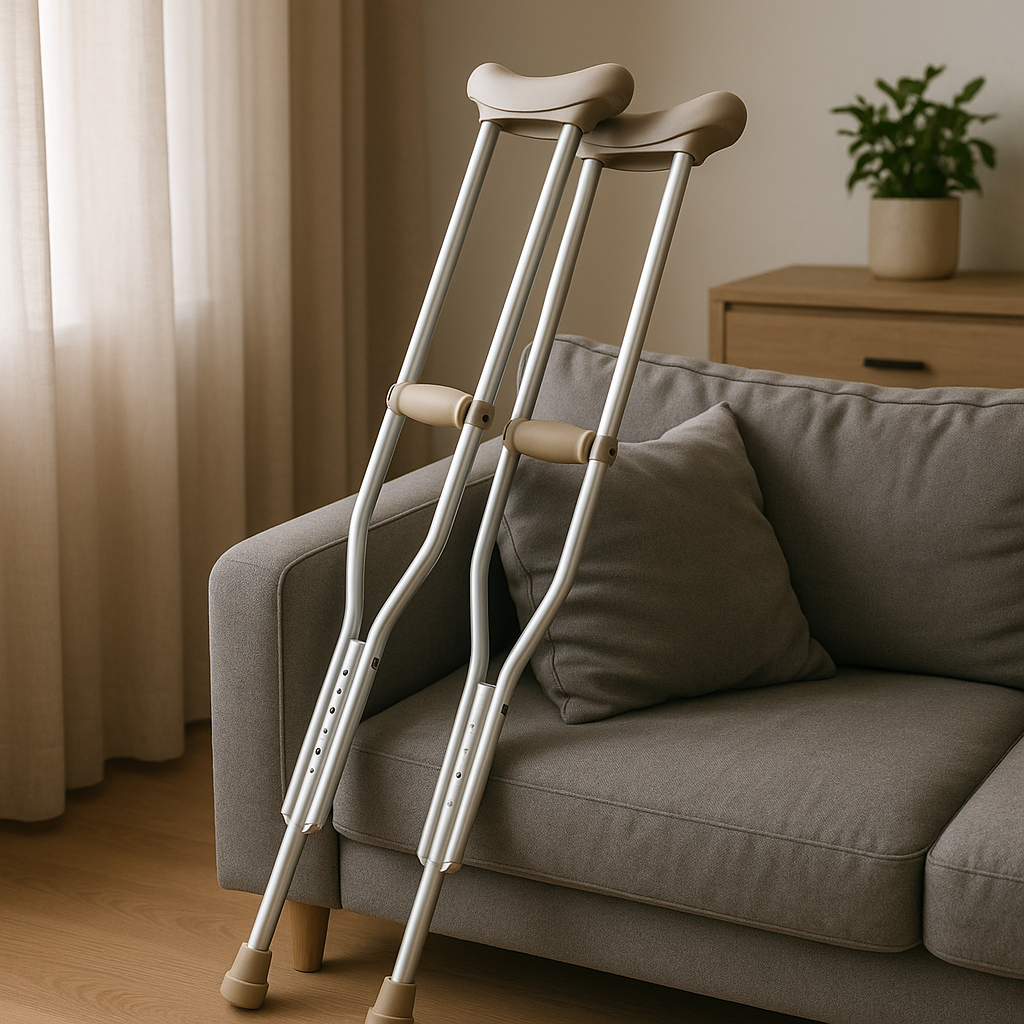
Living with New Limitations
Experiencing a serious truck injury can drastically alter the course of one’s life, introducing new limitations and necessitating adaptations on various fronts. These changes often extend well beyond the initial physical recovery, affecting daily routines, relationships, and even long-term lifestyle choices. Understanding these impacts can help individuals adjust and find a new normal. Below, we explore how life changes after such injuries and the common adjustments people face.
How Life Changes After Serious Truck Injuries
Truck-related injuries can lead to a variety of physical impairments—from mobility issues to chronic pain—that require significant lifestyle changes. But the repercussions often reach further, creating a ripple effect through many areas of life.
Changes to Daily Routines
One of the most immediate areas affected by serious injuries is daily routine. Tasks that once seemed trivial, such as dressing, cooking, or commuting, may now require considerable effort or assistance. Individuals might have to adopt adaptive devices or rely on support systems to perform these daily activities. This shift can be challenging but also foster resilience and problem-solving skills.
Impact on Relationships and Independence
Injuries can alter the dynamics of personal relationships, as family members and friends may become caregivers, providing daily assistance. This shift can strain relationships, as roles and responsibilities change. It’s crucial for both parties to communicate openly, setting boundaries and expressing needs to maintain a healthy balance.
Moreover, the loss of certain physical abilities can impact one’s sense of independence. This can be a tough adjustment, but finding ways to regain autonomy, whether through rehabilitation or learning new skills, can be empowering.
Common Adjustments People Face
Adapting to a life with new limitations often involves both practical and emotional adjustments, requiring resilience and support.
Long-term Lifestyle Adaptations
Living with the long-term effects of an injury might necessitate significant lifestyle changes. These adaptations might include:
– Work Modifications: Depending on the injury, individuals may need to find alternative employment or adapt their current roles. This could involve reducing hours, working remotely, or transitioning to a less physically demanding job.
– Home Environment: Modifications to one’s living space, such as installing ramps, stairlifts, or accessible bathroom facilities, can help maintain independence and improve quality of life.
– Leisure Activities: Hobbies and recreational activities might need to be adjusted or substituted with new ones that accommodate physical changes, helping maintain an active social life and improve mental well-being.
Emotional and Practical Adjustments
The emotional impact of adapting to new limitations should not be underestimated. It can be a profound psychological journey that involves grieving one’s previous capabilities and embracing a new identity.
– Mental Health Support: Accessing professional counseling or therapy can provide valuable support, helping individuals process emotions and develop coping strategies.
– Support Groups: Joining support groups can also be beneficial. Connecting with others who have faced similar challenges can provide validation and encourage the sharing of solutions and encouragement.
– Setting Realistic Goals: Establishing achievable goals can provide a sense of purpose and accomplishment. Celebrating small victories along the way is key in maintaining motivation and confidence.
Conclusion
Living with new limitations after a serious truck injury demands considerable adjustment, both physically and emotionally. It reshapes daily routines, alters relationships, and requires long-term lifestyle modifications. While the journey can be challenging, cultivating resilience, seeking support, and making practical adaptations can make it possible to forge a fulfilling life post-injury. By understanding and accepting new limitations, individuals can find empowerment and growth, proving that life, even with its changes, can still hold great meaning and joy.