
Living with Reduced Stamina: Overcoming Injury Challenges
Experiencing serious truck injuries can have profound effects on a person’s life. Beyond the immediate physical pain, these injuries often lead to long-term changes in stamina and daily function. This article explores the impact of reduced stamina due to injuries and how individuals can adapt to these new challenges.
How Life Changes After Serious Truck Injuries
When an individual suffers from injuries resulting from a truck accident, the aftermath can be overwhelming. The physical damage is often accompanied by various personal and emotional challenges. Adapting to these changes requires significant emotional resilience and pragmatic adjustments.
Changes to Daily Routines
One of the most immediate effects of reduced stamina after an injury is the alteration of daily routines. Tasks that were once simple may now require careful planning and more time, affecting everything from personal hygiene to household chores.
For example, showering might take longer due to the need for breaks, and cooking could become an exhausting task. Individuals often need to prioritize activities, choosing only those most essential to complete each day.
Impact on Relationships and Independence
Reduced stamina can also strain personal relationships. Individuals may find themselves relying more heavily on family or friends for support, leading to a shift in dynamics. This dependency might feel frustrating or evoke feelings of guilt or inadequacy.
While the initial dependency is often necessary for recovery, it highlights the importance of open communication with loved ones. Partners and family members need to understand the new limitations without causing the individual to feel like a burden.
Common Adjustments People Face
Adapting to life with reduced stamina requires a range of physical and emotional adjustments. Embracing these changes is key to maintaining quality of life.
Long-term Lifestyle Adaptations
Long-term adaptations often include restructuring work commitments, hobbies, and social interactions. Individuals may need to consider part-time work or flexible hours if feasible. Simple activities like gardening or social outings may need to be modified to reduce exertion.
Energy conservation techniques become vital. Planning and pacing activities can prevent fatigue. Prioritizing tasks and delegating when possible helps manage energy levels effectively.
Emotional and Practical Adjustments
Psychological effects cannot be overlooked. The journey often involves coming to terms with the “new normal” and managing expectations. Support groups or counseling can be beneficial, providing a space to share experiences and strategies.
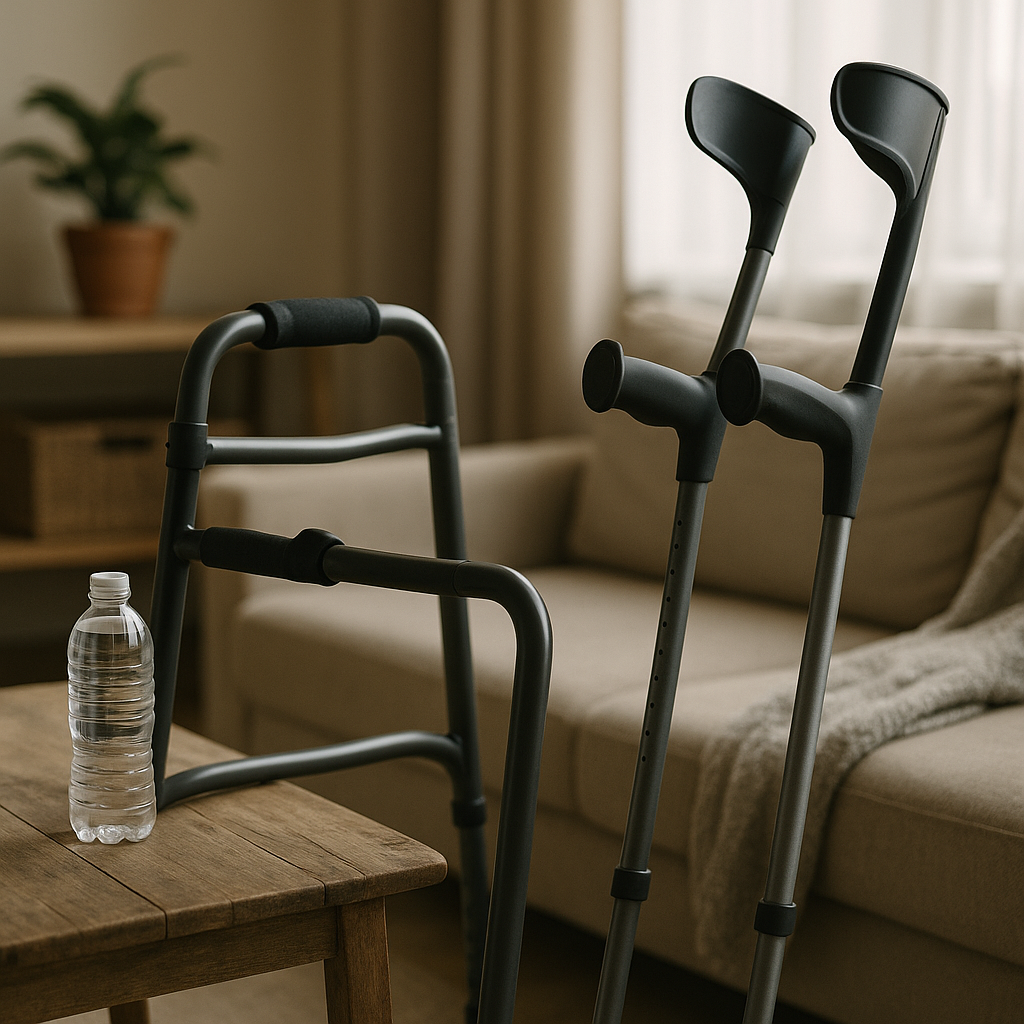
Practically, using aids such as shower chairs, reacher tools, or mobility devices can enhance independence and comfort. Embracing technology for shopping, banking, and communication can also reduce physical strain.
A Calm, Respectful Informational Closing Section
Living with reduced stamina following truck injuries involves ongoing adjustments and acceptance. Each experience is unique, and progress might come in small steps rather than leaps. Finding joy in altered capacities and celebrating incremental successes can foster a positive outlook.
It is essential to recognize personal limitations and adapt activities to fit within these boundaries. Over time, with patience and support, individuals can find ways to lead fulfilling lives, enjoying new rhythms and perspectives shaped by their experiences.