
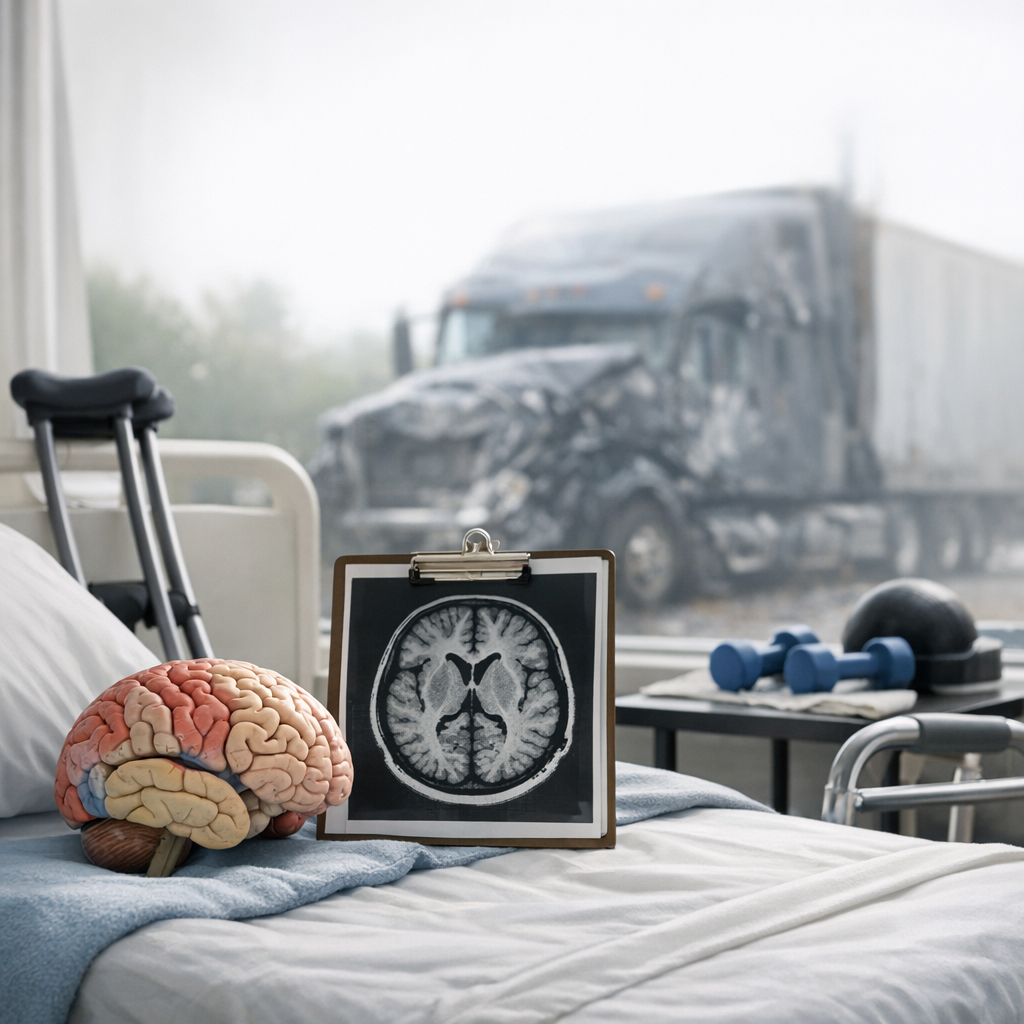
Long Recovery Periods After Brain Injuries From Truck Accidents
What Long-Term Recovery Means After a Truck Accident
Recovery from brain injuries sustained in truck accidents often requires extended periods, demanding patience and resilience. This process is multifaceted, involving physical, emotional, and psychological healing. It is essential to understand that recovery timelines can vary significantly, influenced by the severity of the injury, the individual’s health, and the support systems available.
Long-term recovery means not just overcoming immediate physical symptoms but also adapting to potential lifestyle changes. It involves a gradual return to daily activities, work, and social interactions, with the aim of achieving the best possible quality of life.
Common Challenges During Extended Recovery
Recovery from brain injuries can present a range of challenges. These difficulties often become apparent as the initial medical treatment phase transitions into a phase focused more on rehabilitation and adjustment.
Physical Recovery Over Time
Physical recovery from a brain injury involves regaining motor skills, balancing coordination, and improving physical strength. This process may include:
– Rehabilitation Therapy: Engaging in occupational and physical therapy.
– Consistent Medical Follow-ups: Regular check-ins with healthcare professionals to monitor progress and adjust treatments.
– Lifestyle Modifications: Adjusting daily routines to accommodate limitations or enhance recovery.
Patients may experience fluctuating progress, with good days and setbacks. Maintaining a realistic outlook and fostering adaptability are central to navigating this phase successfully.
Emotional and Mental Recovery Considerations
Emotional and mental recovery is an equally critical aspect of the healing journey. It’s important to address:
– Cognitive Rehabilitation: Activities and exercises designed to improve thinking skills.
– Emotional Support: Access to counseling or therapy to manage anxiety, depression, or mood swings that may occur as a result of the injury.
– Social Reintegration: Gradually re-engaging with family, friends, and community activities to build confidence and morale.
Understanding underlying psychological impacts and fostering open communication with loved ones and mental health professionals can significantly aid recovery.
Setbacks During Recovery
Recovery is rarely a linear process. Setbacks, whether physical or emotional, are common and can be due to various factors such as overexertion, stress, or unexpected complications. Recognizing these occurrences as part of the journey rather than failures can help maintain a positive trajectory.
Managing Expectations Over Months or Years
It is crucial to manage expectations realistically over the months and years following a brain injury from a truck accident. Recovery may not mean returning to pre-accident conditions but could involve reaching a new normal that allows for a fulfilling life. Setting achievable goals and celebrating small victories can bolster motivation and morale.
Informational Closing Section
Understanding the long-term recovery process after a brain injury from a truck accident requires recognizing the intricate blend of physical, emotional, and mental healing. Each individual’s experience is unique, influenced by personal and external factors. Patience, perseverance, and comprehensive support play indispensable roles in navigating this complex path. By acknowledging challenges and focusing on gradual improvements, those affected can work towards achieving a satisfying quality of life over time.