
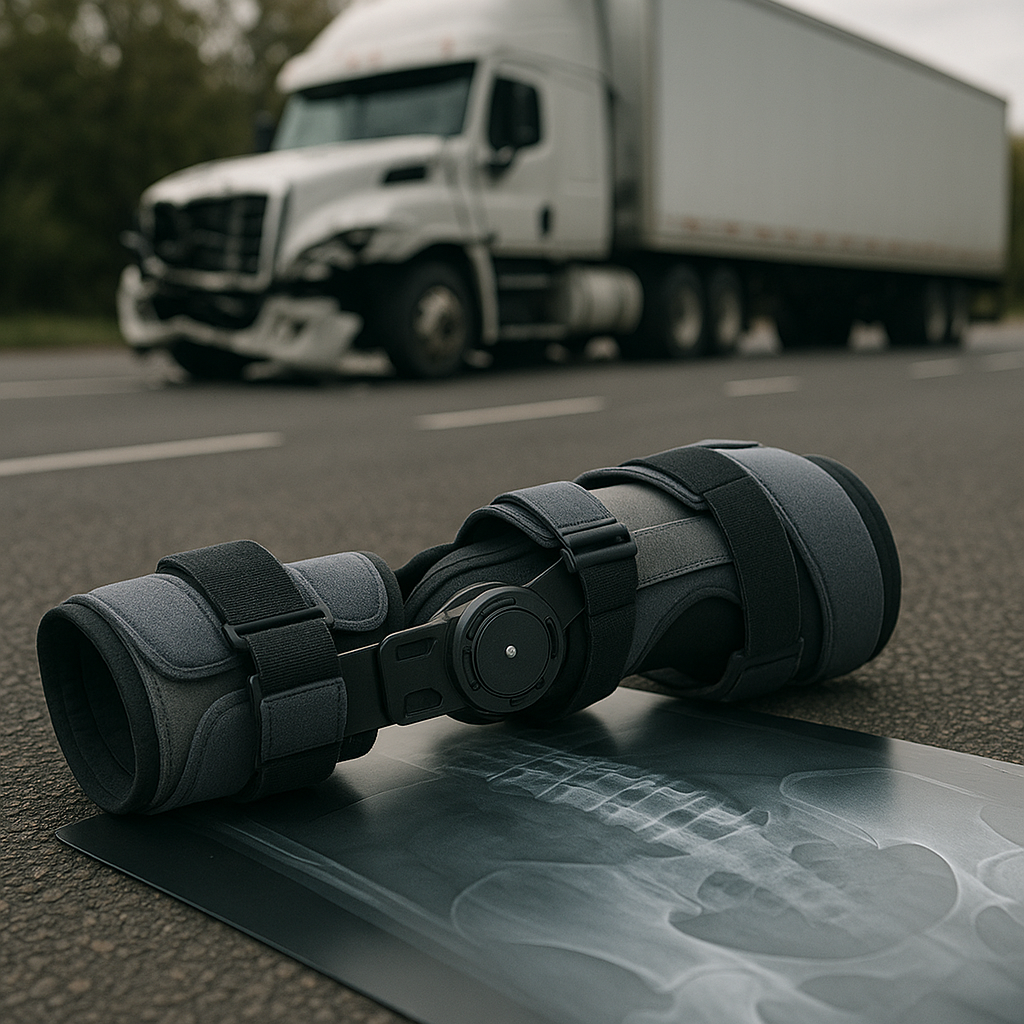
Long Term Musculoskeletal Injuries from Truck Accidents
Overview of the Injury
Truck accidents pose a significant risk due to the sheer size and weight of these vehicles. When collisions occur, the forces involved can lead to long-term musculoskeletal injuries. These injuries affect the muscles, bones, ligaments, tendons, and nerves, often resulting in ongoing pain and dysfunction.
Long-term effects make recovery complex, potentially causing a lifetime of management and adjustments. Understanding these injuries and their impact is vital for those affected and those who support them.
How This Injury Commonly Occurs in Truck Accidents
In truck accidents, the force of impact or sudden movements can severely strain the body. The following scenarios typically lead to musculoskeletal injuries:
– Direct Impact: In a collision, the body might be thrown against parts of the vehicle, leading to fractures or dislocations.
– Whiplash: Sudden braking can cause the head and neck to be thrown forward and backward, leading to neck injuries.
– Compression Injuries: Being pinned or crushed in a vehicle can cause significant damage to the musculoskeletal system.
– Repetitive Stress: Some injuries develop over time due to repeated exposure to vibration or poor ergonomics, particularly for professional drivers.
Typical Symptoms and Physical Effects
Symptoms of musculoskeletal injuries vary based on severity and location. They commonly include:
– Pain: Chronic pain in muscles, joints, or bones.
– Swelling: Inflammation around the injured area.
– Stiffness: Reduced range of motion in the affected joints.
– Weakness: Difficulty in moving or lifting objects.
– Numbness or Tingling: These sensations, often in the extremities, may indicate nerve involvement.
How the Injury Affects Daily Activities
Living with a long-term musculoskeletal injury can be challenging. These injuries can disrupt ordinary activities, impacting quality of life:
– Mobility Challenges: Simple tasks such as walking, sitting, or climbing stairs may become difficult or painful.
– Work Limitations: Those with physically demanding jobs might find themselves unable to perform essential tasks or require significant adjustments and accommodations.
– Hobbies and Recreation: Leisure activities that involve physical exertion, like sports or gardening, may be seriously restricted.
– Daily Self-Care: Tasks like dressing, cooking, and cleaning may require additional time or assistance.
Variations in Severity
The severity of musculoskeletal injuries can range widely. Factors influencing this include:
– Impact Force: Higher force generally results in more severe injuries.
– Individual Health: Pre-existing conditions can exacerbate injuries.
– Age: Older individuals may experience more severe consequences due to reduced healing capacity.
Factors That Influence Recovery
Recovery from musculoskeletal injuries varies, depending on several factors:
– Timeliness and Quality of Medical Care: Immediate response and continuous care play crucial roles in recovery.
– Rehabilitation Efforts: Physical therapy and tailored exercise programs can aid in regaining strength and mobility.
– Lifestyle Adaptations: Changes in daily habits and use of assistive devices can help manage long-term effects.
Conclusion
Understanding long-term musculoskeletal injuries from truck accidents involves recognizing the complex ways these incidents impact the body and daily life. The journey to adapt and manage these injuries is deeply personal and varies among individuals. By exploring the causes, symptoms, and daily challenges associated with these injuries, we can foster greater empathy and support for those affected.