
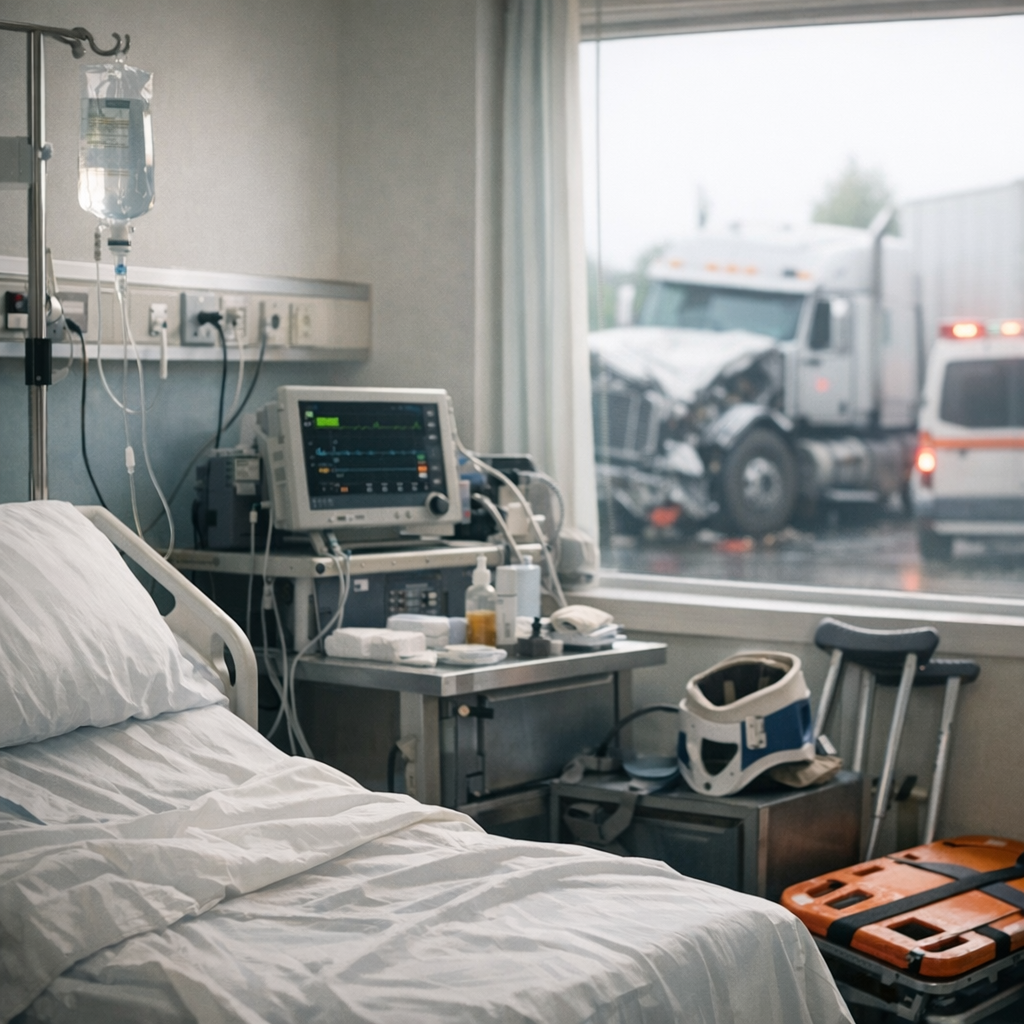
Medical Treatment After Serious Truck Injuries
When serious truck accidents occur, they often result in severe injuries that require comprehensive medical treatment. Understanding the treatment and rehabilitation processes is essential for both patients and caregivers.
Overview of the Treatment or Rehabilitation Approach
Medical treatments following truck accidents are designed to address both immediate and long-term needs of the injured individual. These treatments can range from emergency medical interventions to ongoing rehabilitation therapies.
Immediate care is crucial to stabilize the patient, manage pain, and prevent any further injury or complications. Post-acute care involves rehabilitation to restore functionality and improve the quality of life.
When This Treatment Is Commonly Used After Truck Injuries
Truck accidents often lead to severe trauma due to the size and weight of the vehicles involved. Common injuries include traumatic brain injuries, spinal cord injuries, fractures, and internal injuries. Treatments are employed based on the severity and nature of these injuries.
Acute Treatments:
– Emergency surgeries to address immediate life-threatening conditions.
– Stabilization in intensive care units for critical cases.
Rehabilitation Therapies:
– Physical therapy for musculoskeletal injuries.
– Occupational therapy to regain daily living skills.
– Psychological counseling for emotional and mental health support.
What the Treatment Process Involves
Emergency Medical Care:
The initial phase of treatment typically includes:
– Assessment of injuries through imaging techniques like X-rays, CT scans, or MRIs.
– Surgical interventions if necessary, such as repairing fractures or addressing internal bleeding.
– Administration of medications for pain management and infection prevention.
Rehabilitation Phase:
Rehabilitation is customized according to individual needs and may involve:
– Physical Therapy: Focuses on restoring movement, strength, and function through targeted exercises and modalities such as heat, cold, and electrical stimulation.
– Occupational Therapy: Aims to enable patients to perform daily activities independently. Therapy may include adaptive strategies for dressing, eating, and using technology.
– Speech and Language Therapy: For those with brain injuries affecting communication, this therapy is essential to recover speech and cognitive skills.
– Psychological Support: Emotional trauma from truck accidents is addressed through counseling to deal with anxiety, depression, or PTSD.
Recovery Expectations and Timelines
Recovery from serious truck injuries varies widely depending on injury type, severity, and individual patient factors.
Short-term Recovery:
– The initial recovery period may last weeks to months, focusing on stabilization and managing symptoms like pain and swelling.
Long-term Recovery:
– Rehabilitation often extends over several months to years, depending on the complexity of the injuries. Recovery of functions and adaptation to any disabilities are the main goals.
Milestones:
– Each patient’s milestones differ, with ongoing assessments to track progress. Patients may gradually regain independence, but outcomes can vary significantly.
Variations in Treatment Plans
Treatment plans are not one-size-fits-all and can vary due to:
– Injury Severity: More complex injuries may require extended treatment plans and multidisciplinary approaches.
– Pre-existing Conditions: Patients with prior health issues might face unique challenges during recovery.
– Patient’s Age and Health: Older patients or those with compromised health might experience different treatment needs.
– Individual Response to Treatment: Genetic factors and overall health can influence healing rates and recovery outcomes.
Factors That Influence Recovery Progress
Recovery can be influenced by several factors including:
– Adherence to Treatment: Consistent participation in prescribed therapies is crucial for optimal recovery.
– Support Systems: Family, friends, and community support can significantly impact emotional wellbeing and motivation.
– Access to Resources: Availability of specialized rehabilitation facilities and professionals can affect rehabilitation quality.
Closing Section
Understanding the medical treatment pathways for serious truck injuries is vital to navigating the often complex recovery journey. Each treatment plan is tailored to the individual’s specific needs and circumstances, reflecting the diverse range of injuries and challenges faced following such traumatic incidents. Medical professionals work tirelessly to ensure that both physical and emotional health are restored, recognizing the importance of comprehensive care in the healing process.