
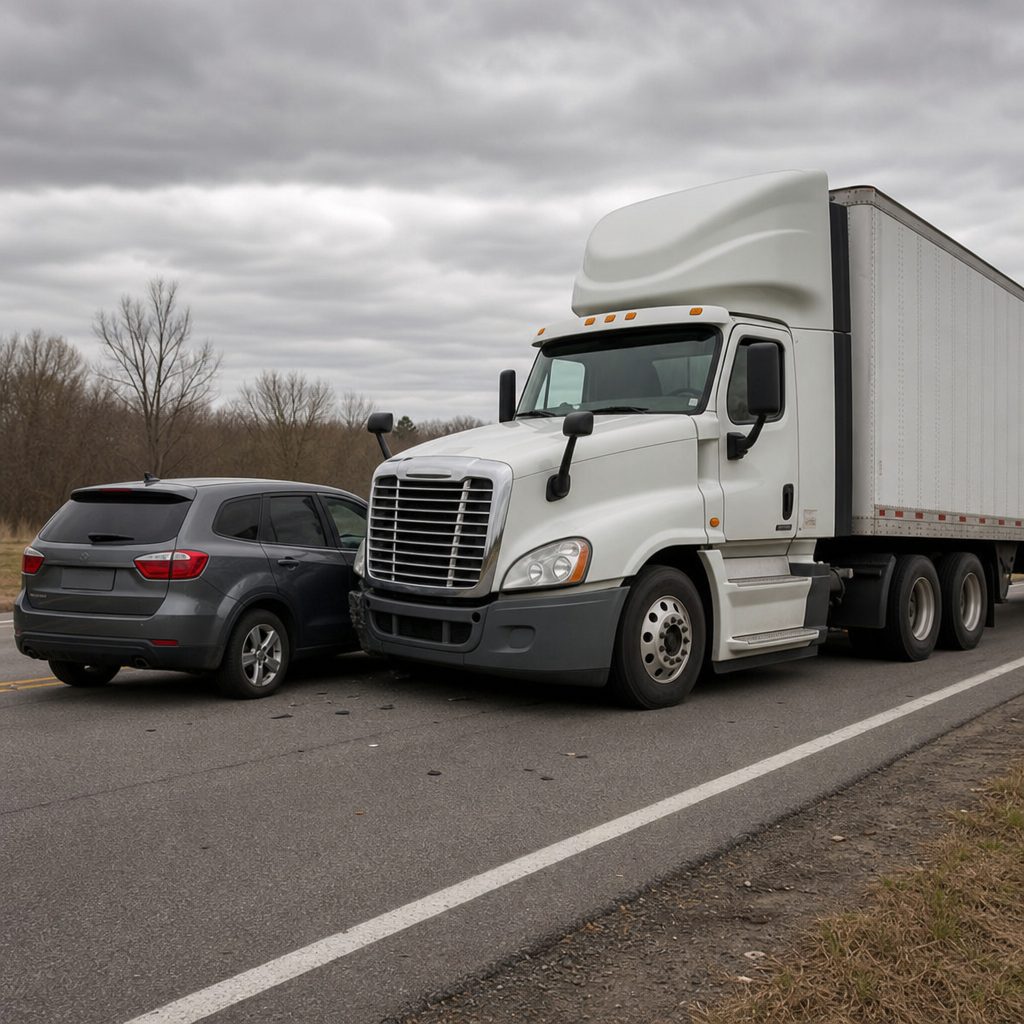
Sometimes life shifts in a split second. Busy highways, quiet county roads, and rushing schedules collide with the unexpected presence of a massive semi truck. People find themselves facing aftermaths as varied as the accidents themselves.
Physical and Emotional Aftermaths
Bruising, soreness, and the confusion from the jolt are common right away in less severe collisions. Individuals may walk away, only to feel aches spread with time. Memories of tires screeching and the vehicle shuddering can replay in someone’s mind long after initial shock wears off.
During more forceful crashes, the consequences can be abrupt and severe. Emergency crews might work quickly, and hospital stays become part of the new routine. Simple movements get replaced by recovery regimens, with fatigue setting in for days or even weeks. Trauma sometimes lingers beneath the surface, visiting quietly in the nights that follow.
Disruption of Daily Routines
Work schedules and family plans often experience immediate upheaval. Lateness becomes frequent, appointments get missed, and routines unravel. The familiar comfort of driving or riding in a car doesn’t return easily for everyone. Some avoid certain routes, while others struggle to find focus at work or at home.
The extent of disruption varies widely. In minor accidents, people often resume their activities after a short recovery. With major impacts, entire households might shift roles as someone heals or adjusts to new limitations. Responsibilities pass from one family member to another, reshaping daily life.
Vehicle Damage and Property Concerns
Seeing a car crumpled or bent is a distinctly jarring experience. Fenders could be scratched, lights shattered, bumpers hanging crooked. Sometimes vehicles are left nearly untouched except for a few marks, allowing a quick return to normalcy.
In high-impact collisions, the scene grows more intense. Twisted frames and deployed airbags stand as silent reminders of the force exchanged. Vehicles sometimes need towing and remain out of commission for extended periods. Personal belongings may get lost or damaged beyond repair.
Lasting Impressions and Lingering Questions
Thoughts about the accident can linger unpredictably. Some people find themselves examining every detail: the sounds, the split-second decisions, even the weather that day. Debates with friends or family might arise about what “could have been worse” or “wasn’t really that bad.”
Sleep sometimes arrives grudgingly, interrupted by dreams of crunching metal or blaring sirens. Encounters with large trucks after the incident can trigger unease, while some shrug it off and move on. In every case, remnants of the day—big or small—find their way into daily life for a time.
This page is for general informational purposes only. It does not provide legal advice or direction of any kind.