
Rebuilding Independence Gradually After Truck Injuries
In the aftermath of serious truck injuries, individuals often find themselves navigating a new landscape of physical and emotional challenges. Rebuilding independence after such an experience can be a gradual and deeply personal journey. This article explores the various ways life may change and the common adjustments needed to regain a sense of autonomy.
How Life Changes After Serious Truck Injuries
The impact of a truck-related injury can be profound, resulting in significant shifts in daily life. The recovery process often involves addressing physical disabilities, emotional challenges, and alterations in everyday routines. Understanding these changes is crucial in the journey towards regaining independence.
Common Adjustments People Face
Adapting to life after a serious injury can be daunting, yet it is a necessary step toward rebuilding independence. Here are some common adjustments individuals may encounter:
Changes to Daily Routines
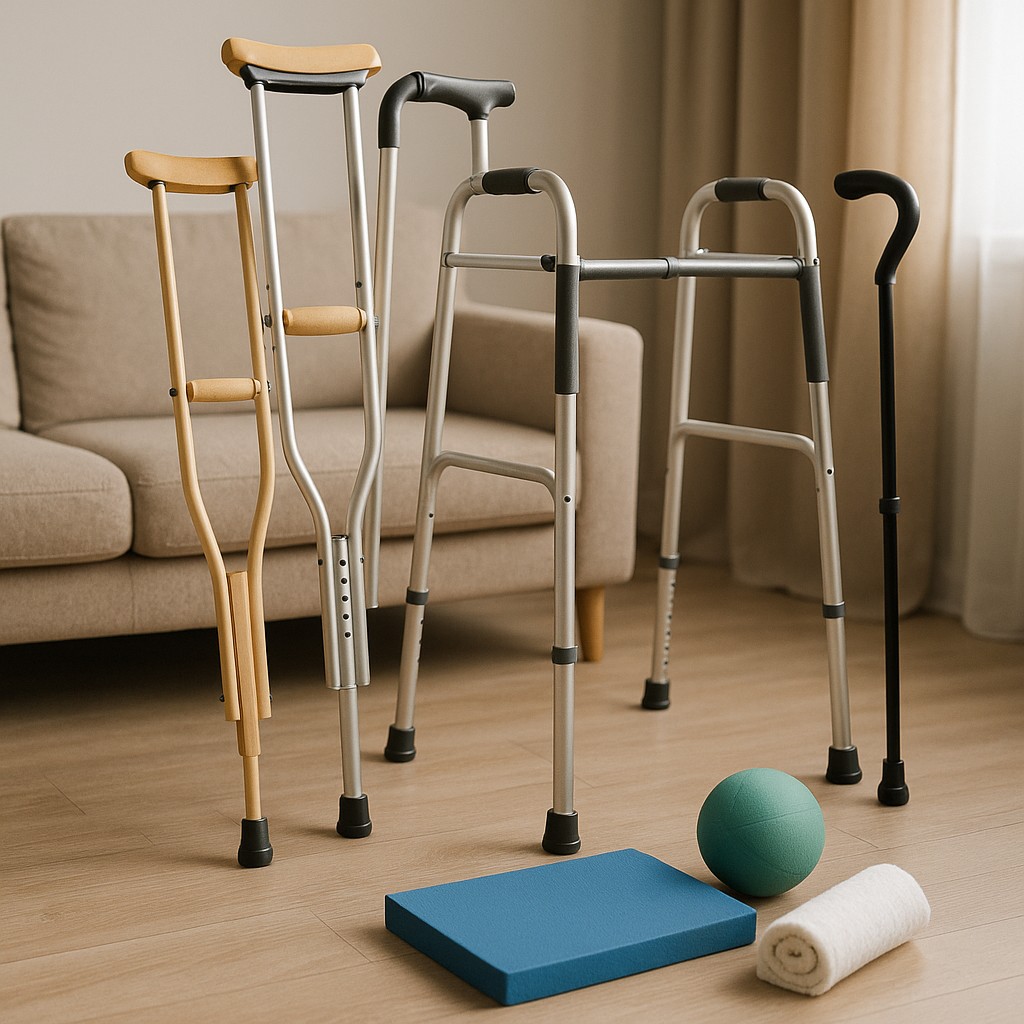
Truck injuries can disrupt the simplicity of ordinary tasks, making daily routines a focal point in the recovery journey. Activities that were once straightforward may now require careful planning and additional assistance. This could mean implementing new practices, like utilizing mobility aids or scheduling assistance for personal care and housework.
The path to independence involves slowly reclaiming these activities by setting realistic goals and celebrating small victories. Embracing adaptive strategies and tools can significantly enhance an individual’s ability to perform day-to-day tasks, contributing to a greater sense of autonomy.
Impact on Relationships and Independence
Injuries can also profoundly affect relationships, potentially altering dynamics with family, friends, and colleagues. The dependency that a physical injury induces may challenge an individual’s sense of identity and independence.
For many, communicating openly about their struggles and needs fosters understanding and support within relationships. Building a network of empathetic individuals who encourage autonomy without fostering dependency is vital in this context. Such social support can be an integral part of gradually rebuilding self-reliance.
Long-term Lifestyle Adaptations
Regaining independence is not always a linear path. Long-term adaptations often require a blend of practical changes and emotional resilience. For instance, modifications to living spaces, like installing ramps or adapting kitchens, can empower individuals to engage more fully in daily life.
Moreover, involvement in community activities or support groups can provide additional encouragement and insight, offering a sense of belonging and purpose that transcends physical limitations.
Emotional and Practical Adjustments
Emotionally, the journey can be as challenging as the physical recovery. Individuals may face feelings of frustration, loss, or even depression. Developing coping strategies, such as mindfulness or therapy, can support emotional healing.
Practically, learning new skills or finding alternative methods to complete tasks instills confidence and competence. Engaging in occupational or physical therapy can also bridge gaps between limitations and independence, helping individuals regain control over their lives.
A Calming, Respectful Informational Closing Section
Rebuilding independence after a truck-related injury requires time, patience, and a willingness to adapt. The journey may be fraught with obstacles, but it is also an opportunity for growth and resilience. By focusing on both emotional and practical adjustments, individuals can gradually reclaim their autonomy, fostering a life of renewed independence and fulfillment.
Each step taken in this journey is a testament to human strength and adaptability, offering a reminder that independence, though altered, can be beautifully realized even amid life’s unexpected challenges.