
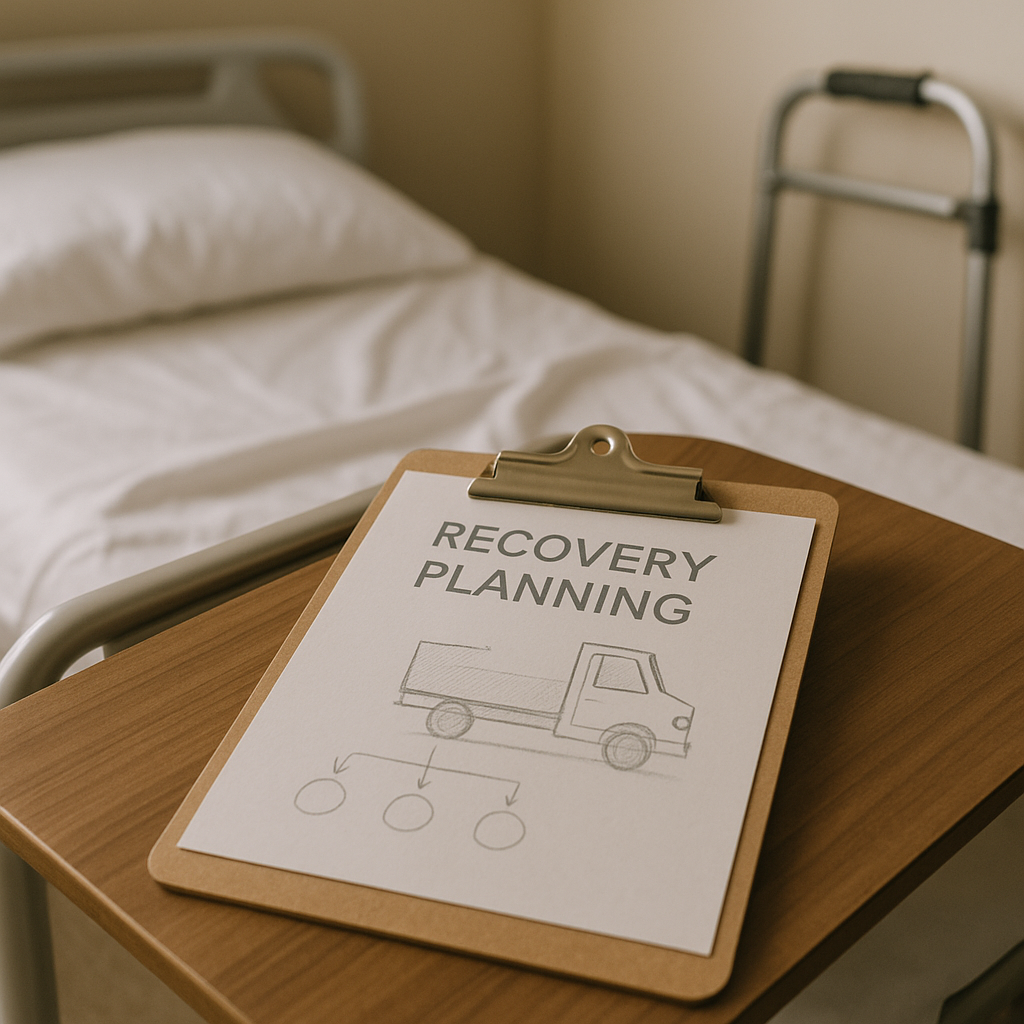
Recovery Planning After Severe Injuries
What Long-Term Recovery Means After a Truck Accident
Recovery from severe injuries sustained in a truck accident involves a comprehensive, structured plan that addresses various facets of an individual’s life. Long-term recovery goes beyond immediate medical treatment and acknowledges the multifaceted impact of the injuries. It includes physical, emotional, and psychological healing, as well as potential adjustments to personal and professional life.
Long-term recovery planning is personalized, recognizing that every individual’s journey is unique. It encompasses rehabilitation, therapy, and lifestyle changes that support an individual’s return to a fulfilling life. During this period, goals may be set to guide progress, offering a roadmap for patients and caregivers alike.
Common Challenges During Extended Recovery
While embarking on long-term recovery, individuals often face numerous challenges. These can stem from the physical limitations imposed by injuries, as well as the emotional and mental health struggles that can arise. Understanding these challenges helps in creating a realistic and effective recovery plan.
Physical Recovery Over Time
Physical recovery from severe truck accident injuries is typically a gradual process. It often involves ongoing medical treatment, physical therapy, and possibly surgical interventions. The extent and timeline of recovery depend on the severity of the injuries, the individual’s overall health, and the effectiveness of rehabilitation efforts.
Regular assessments by healthcare professionals help track progress and adjust the recovery plan as needed. Patients might need to adapt to temporary or permanent physical limitations, necessitating assistive devices or modifications to their living environment. Rehabilitation specialists play a critical role in facilitating physical recovery and enhancing mobility and independence.
Emotional and Mental Recovery Considerations
The psychological impact of a severe truck accident can be profound, affecting mental health and emotional well-being. Victims may experience anxiety, depression, or post-traumatic stress disorder (PTSD), which can complicate the recovery process.
Emotional recovery often requires professional support from therapists or counselors who can provide coping strategies and therapeutic interventions. Joining support groups or connecting with others who have experienced similar trauma can also be beneficial. Maintaining mental health is as important as physical recovery, contributing significantly to overall quality of life.
Setbacks During Recovery
Recovery from severe injuries is rarely linear. Setbacks, such as recurring pain or psychological distress, are common. Understanding that these setbacks are a natural part of the process helps individuals and their support systems manage expectations more effectively.
Addressing setbacks typically involves revisiting and potentially modifying the recovery plan. Open communication with healthcare providers ensures that interventions are appropriately adjusted, allowing individuals to overcome obstacles and continue progressing.
Managing Expectations Over Months or Years
The duration of long-term recovery varies significantly among individuals. Managing expectations is crucial to sustaining motivation and preventing discouragement. Setting realistic, incremental goals helps maintain focus and celebrate small victories along the journey.
Patience and resilience are essential qualities during this time. Recovery planning should factor in potential changes in personal and professional aspirations, aligning them with the individual’s current capabilities and future possibilities.
Conclusion
Long-term recovery after severe injuries from a truck accident is a complex, continuous process that extends well beyond immediate medical care. Emphasizing both physical and psychological recovery is paramount, as they are interconnected and equally vital to overall well-being. Though challenges and setbacks are inherent to this journey, a structured, adaptive recovery plan can provide the guidance needed to navigate this pathway successfully.
Ultimately, recovery planning is about crafting a new normal, one that acknowledges limitations while harnessing strengths. By fostering a supportive environment and remaining flexible in the approach, individuals can work towards regaining independence and a sense of fulfillment in their lives.