
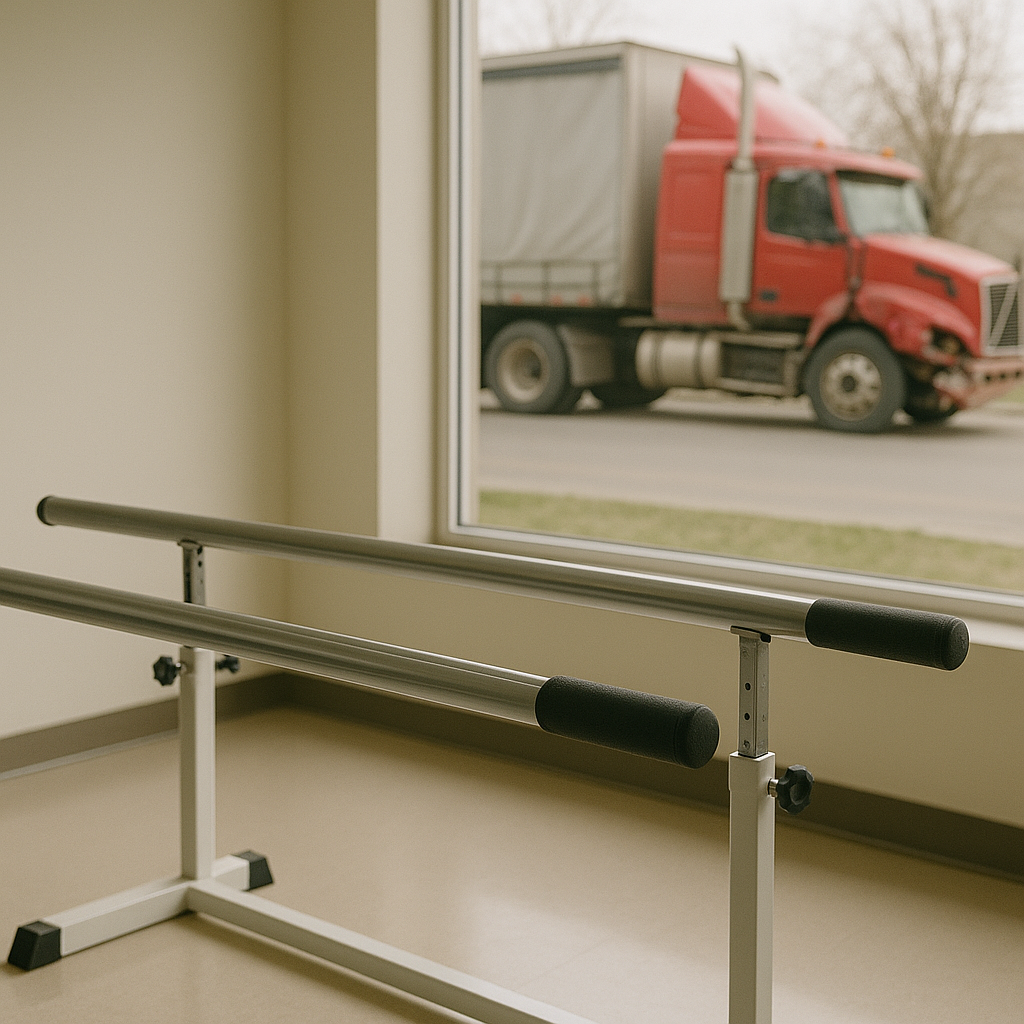
Recovery Plateaus After Truck Injuries
What Long-Term Recovery Means After a Truck Accident
Long-term recovery following a truck accident involves a prolonged period of healing that addresses both physical and psychological impacts. Unlike short-term recovery, which focuses on immediate medical treatment, this phase involves adapting to changes that may persist for months or even years. The goal is not only to heal visible wounds but also to regain functionality and improve quality of life over time.
Common Challenges During Extended Recovery
Recovery plateaus can be a significant aspect of long-term recovery. These plateaus occur when progress appears to stall, causing frustration and concern. Understanding the factors contributing to these plateaus can help individuals navigate their recovery journey more effectively.
Physical Recovery Over Time
Physical recovery after a truck accident can extend beyond the initial medical interventions. Several stages often include rehabilitation therapies, ongoing medical care, and personal health management routines. During this time, individuals might experience plateaus, where healing does not match initial expectations. These can be due to the complexity of injuries, such as spinal cord damage or traumatic brain injuries, which inherently require more extended periods of care.
Emotional and Mental Recovery Considerations
Emotional and mental recovery is equally critical but can be harder to measure. Post-traumatic stress, anxiety, and depression can emerge after the physical wounds have healed. Cognitive behavioral therapy and support groups can provide structure and support, yet individuals may still find themselves stuck at certain stages. Understanding that emotional recovery is non-linear can help manage expectations.
Setbacks During Recovery
Setbacks are common and can contribute to the feeling of a recovery plateau. These setbacks can be physical, such as recurring pain, or emotional, such as anxiety relapses. It’s vital to recognize that they can be a natural part of the recovery process and not necessarily an indication of a failure to progress.
Managing Expectations Over Months or Years
Managing expectations is crucial when dealing with prolonged recovery periods. It’s important for individuals to set realistic goals and recognize the small achievements along the way. Consulting with healthcare professionals who understand the nature of recovery plateaus can provide valuable insights and strategies for maintaining motivation through difficult phases.
Conclusion
Recovery plateaus following truck accidents are a natural part of the healing process. Understanding that both physical and emotional recovery can have periods of stagnation helps in adjusting expectations and combatting frustration. By adopting a steady and informed approach to long-term recovery, individuals can navigate these phases with patience and perseverance, gradually working toward improved well-being and quality of life. While each journey is unique, recognizing and respecting the complex nature of recovery can foster resilience and eventual progress.