
Redefining Normal After Injury
Experiencing a serious truck injury can alter one’s life in profound ways. These changes often extend beyond immediate physical recovery, touching almost every part of daily existence. Understanding and adjusting to this new normal can be a challenging journey. This article explores the various ways life might change after such an event, highlighting the adjustments and adaptations often faced by those affected.
How Life Changes After Serious Truck Injuries
Truck injuries can result in significant physical, emotional, and psychological impacts. The recovery process is not just about physical healing; it’s about redefining normal life as one adapts to new circumstances. This transformation can be overwhelming, yet with understanding and support, individuals can navigate these changes effectively.
Common Adjustments People Face
Changes to Daily Routines
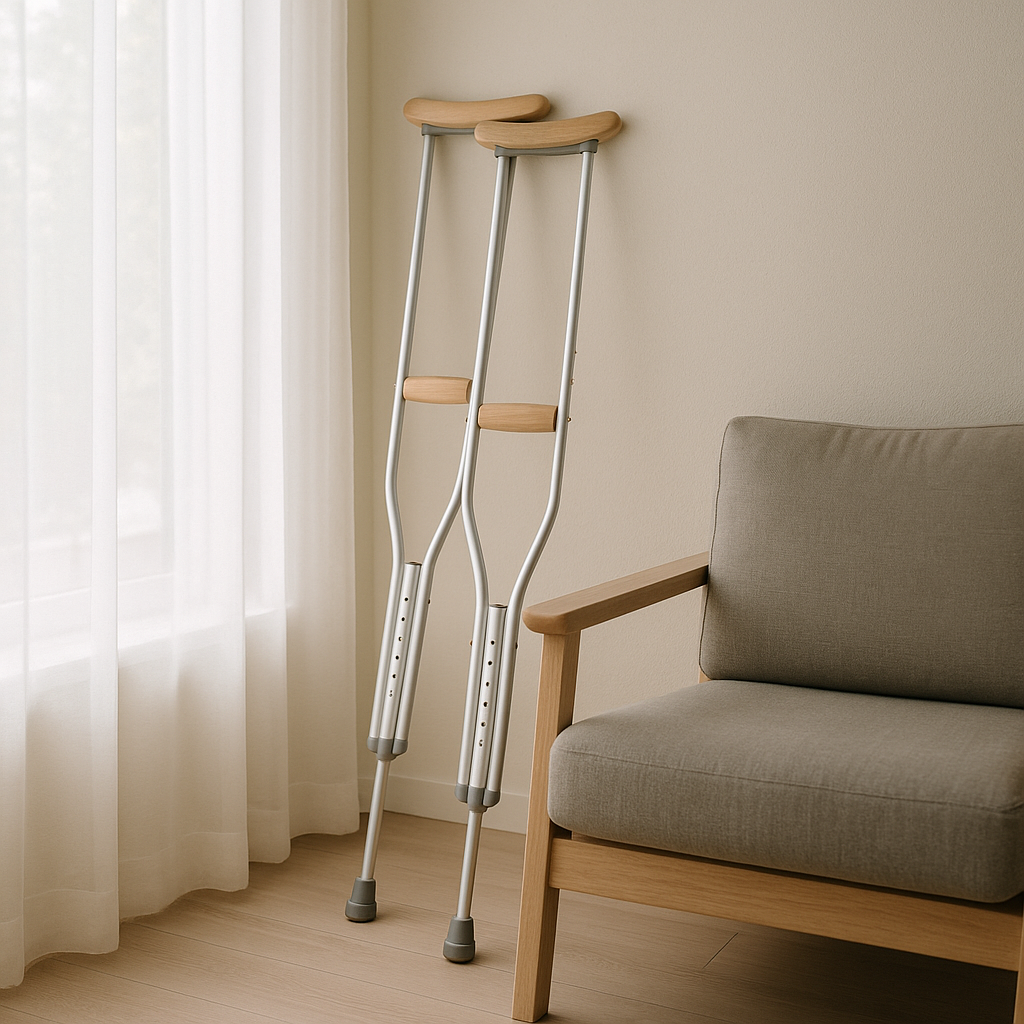
After a serious truck injury, daily routines often require significant alteration. Simple tasks that were once taken for granted may now demand extra effort and new strategies. For example, mobility challenges might require the use of assistive devices, or changes in work capacity might necessitate a shift in professional responsibilities or retraining for new roles.
Everyday activities, like personal care, driving, or even grocery shopping, might require prior planning and adjustments. This can initially feel frustrating, but over time, these modified routines can develop into a comfortable pattern of daily living, emphasizing the need for patience and flexibility.
Impact on Relationships and Independence
The ripple effects of a truck injury may strain personal relationships. Loved ones often become caregivers, which can alter relationship dynamics and may lead to feelings of dependency or loss of autonomy for the injured person. Open, honest communication with family and friends is crucial in maintaining healthy relationships and ensuring that the individual feels supported rather than suffocated.
Independence, a core aspect of personal identity, might also be challenged. While this can be difficult to accept, many people find new ways to assert their independence through adaptive technology or community resources, fostering a renewed sense of empowerment.
Long-term Lifestyle Adaptations
Long-term lifestyle adaptations are often necessary for those recovering from serious truck injuries. These might include changes in physical activity levels, dietary adjustments, or ongoing medical treatments. Accepting these changes is a significant step towards finding a new normal.
In some cases, engaging in different forms of exercise, such as swimming or yoga, can offer physical and emotional benefits. Furthermore, adopting healthier lifestyle choices can enhance overall well-being, providing a sense of control and accomplishment.
Emotional and Practical Adjustments
The emotional journey following a serious injury can be complex. Feelings of grief, frustration, or even relief are common as individuals reconcile with their new reality. Seeking support through counseling or support groups can be incredibly beneficial, providing a space to express emotions freely and connect with others facing similar challenges.
Practically, adapting to new physical limitations or lifestyle changes involves learning to set realistic goals and celebrating small victories. Embracing a proactive approach in seeking information and resources can foster a positive mindset and aid in cultivating resilience.
Conclusion
Redefining normal after a truck injury involves understanding and accepting the vast changes it can bring. While the journey can be daunting, it’s important to acknowledge that each individual experiences this process uniquely. Finding balance and new ways to live fulfilling lives involves patience, support, and adaptability.
Through compassionate understanding of these changes and adjustments, individuals and their loved ones can navigate this transition period more smoothly, focusing on possibilities rather than limitations. In doing so, it becomes possible not only to redefine what is normal but also to discover new ways of thriving in the post-injury life landscape.